

Hey there! As a supplier of the 3.7V 147Ah NCM Lithium Ion Battery, I often get asked about the internal resistance of this battery. So, I thought I'd write this blog to share some insights on this topic.
First off, let's talk about what internal resistance actually is. In simple terms, internal resistance is the opposition to the flow of electric current within the battery itself. It's kind of like friction in a mechanical system. When current flows through a battery, the internal resistance causes some of the electrical energy to be converted into heat. This can affect the battery's performance, efficiency, and lifespan.
Now, for our 3.7V 147Ah NCM Lithium Ion Battery, the internal resistance can vary depending on several factors. One of the main factors is the state of charge (SOC) of the battery. When the battery is fully charged, the internal resistance is usually lower compared to when it's partially or fully discharged. This is because at a high SOC, there are more available ions in the electrolyte, which allows for easier movement of charge carriers and thus lower resistance.
Another factor that affects the internal resistance is the temperature. Generally, as the temperature decreases, the internal resistance of the battery increases. This is because the chemical reactions within the battery slow down at lower temperatures, making it more difficult for the ions to move through the electrolyte and electrodes. On the other hand, at higher temperatures, the internal resistance may decrease, but this can also lead to other issues such as accelerated aging and potential safety risks.

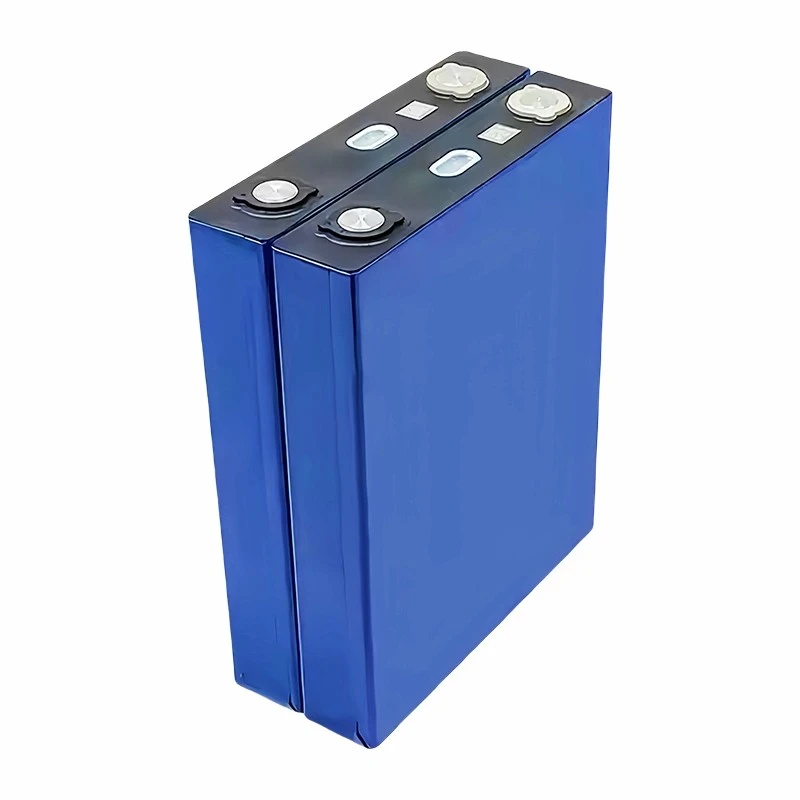
The age and usage history of the battery also play a role in determining its internal resistance. Over time, as the battery goes through multiple charge - discharge cycles, the internal components can degrade. This can cause an increase in the internal resistance as the electrodes may develop deposits or the electrolyte may lose its effectiveness.
So, what's the typical range of internal resistance for our 3.7V 147Ah NCM Lithium Ion Battery? Well, it's usually in the range of a few milliohms to tens of milliohms. But keep in mind that this is just a rough estimate, and the actual value can vary based on the factors I mentioned earlier.
To measure the internal resistance of our battery accurately, we use specialized equipment. One common method is the DC current pulse method. In this method, a short - duration current pulse is applied to the battery, and the change in voltage across the battery terminals is measured. By using Ohm's law (R = ΔV/ΔI), we can calculate the internal resistance.
Why is it important to know the internal resistance of the battery? For starters, it can help in predicting the battery's performance under different operating conditions. If the internal resistance is too high, it can lead to significant voltage drops when the battery is supplying high currents. This can affect the performance of the device that the battery is powering.
It also helps in battery management. By monitoring the internal resistance over time, we can detect early signs of battery degradation. If the internal resistance starts to increase rapidly, it may be an indication that the battery is approaching the end of its useful life and needs to be replaced.
Now, if you're in the market for high - quality lithium - ion batteries, we've got more options besides the 3.7V 147Ah NCM Lithium Ion Battery. We also offer the 3.67V 78Ah NCM Lithium Ion Battery and the Prismatic 3.73V 58Ah NCM Lithium Ion Battery Cell. These batteries are also designed with high performance and reliability in mind.
Whether you're using our batteries for electric vehicles, energy storage systems, or other applications, we ensure that they meet the highest standards. Our team of experts is constantly working on improving the battery technology to provide you with the best products possible.
If you're interested in learning more about our batteries or have any questions regarding the internal resistance or other technical aspects, don't hesitate to reach out. We're here to assist you in finding the right battery solution for your needs. We can also provide you with detailed technical specifications and performance data.
In conclusion, understanding the internal resistance of our 3.7V 147Ah NCM Lithium Ion Battery is crucial for getting the most out of it. By considering the factors that affect the internal resistance and taking appropriate measures to manage it, you can ensure optimal performance and a long lifespan for your battery. So, if you're looking for a reliable battery supplier, we're the ones to count on.
References:
- Battery Technology Handbook, various editions
- Journal of Power Sources articles related to lithium - ion battery internal resistance