

Hey there! As a fuse supplier, I often get asked about the ins and outs of fuses, especially the main fuse in a house electrical system. So, let's dive right in and break it down.
What's a Main Fuse Anyway?
The main fuse in a house electrical system is like the guardian of your home's power. It's a crucial safety device that's installed at the point where the electrical supply enters your house. Think of it as the first line of defense against electrical overloads and short circuits.
When there's too much current flowing through the electrical system, the main fuse steps in. It's designed to "blow" or break the circuit when the current exceeds a certain level. This might sound like a bad thing, but it's actually a good safety feature. By breaking the circuit, it stops the flow of electricity and prevents potential damage to your electrical appliances, wiring, and even reduces the risk of electrical fires.
How Does It Work?
The main fuse is made up of a thin strip or wire of metal, usually copper or aluminum. This metal has a specific resistance. When the current flowing through the fuse is within the normal range, the metal strip can handle it without any problems. But when there's an overload, like if you have too many high - wattage appliances running at the same time, the extra current causes the metal strip to heat up.
As the temperature rises, the metal strip melts. Once it melts, the circuit is broken, and the electricity stops flowing. It's a simple yet effective way to protect your home's electrical system.
Types of Main Fuses
There are a few different types of main fuses commonly used in house electrical systems.
Cartridge Fuses
These are one of the most common types. They come in a cylindrical shape, usually made of ceramic or glass. Inside the cartridge, there's the metal strip or wire. Cartridge fuses are available in different ratings, which indicate the maximum amount of current they can handle. For example, you might have a 15 - amp or 20 - amp cartridge fuse, depending on the electrical load of your home.
Rewirable Fuses
These are a bit old - fashioned but are still used in some older homes. Rewirable fuses have a base and a fuse carrier. The fuse carrier holds the metal strip, and if the fuse blows, you can replace the metal strip instead of the whole fuse. However, they're not as commonly used these days because they're not as reliable as some of the other types.
High - Breaking - Capacity (HBC) Fuses
These are designed to handle high - fault currents. They're often used in larger homes or commercial buildings. HBC fuses can quickly interrupt the circuit in the event of a short circuit, providing better protection for the electrical system.
Why Is It Important?
The main fuse is super important for several reasons. First and foremost, it protects your home from electrical fires. Electrical overloads can cause the wiring in your walls to overheat, which can lead to a fire. By blowing the fuse, it stops the electricity before it can cause any real damage.
Secondly, it protects your electrical appliances. Appliances are designed to work within a certain range of electrical current. An overload can damage the internal components of your appliances, shortening their lifespan and costing you money to replace them.
Finally, it ensures the safety of you and your family. Electrical shocks can be extremely dangerous, and a properly functioning main fuse reduces the risk of electrical shock by preventing excessive current from flowing through your home's electrical system.
Signs That Your Main Fuse Might Be Blown
If your main fuse blows, you'll notice a few signs. The most obvious one is that all the electricity in your home will go out. This is because the main fuse controls the power supply to the entire house.
You might also hear a popping sound when the fuse blows. Sometimes, if the fuse is a cartridge type, you can visually inspect it. If the metal strip inside is melted or broken, then the fuse has blown.
Replacing the Main Fuse
If you suspect that your main fuse has blown, it's important to replace it correctly. First, make sure you turn off the main power switch to your home. This will prevent any electrical shocks while you're working on the fuse.
Then, identify the blown fuse. Check the rating of the old fuse and make sure you replace it with a new one of the same rating. Using a fuse with a higher rating can be dangerous because it won't blow as easily, and it won't provide the same level of protection.
If you're not comfortable replacing the fuse yourself, it's always a good idea to call a qualified electrician. They have the knowledge and experience to do it safely and correctly.
Our Fuse Offerings
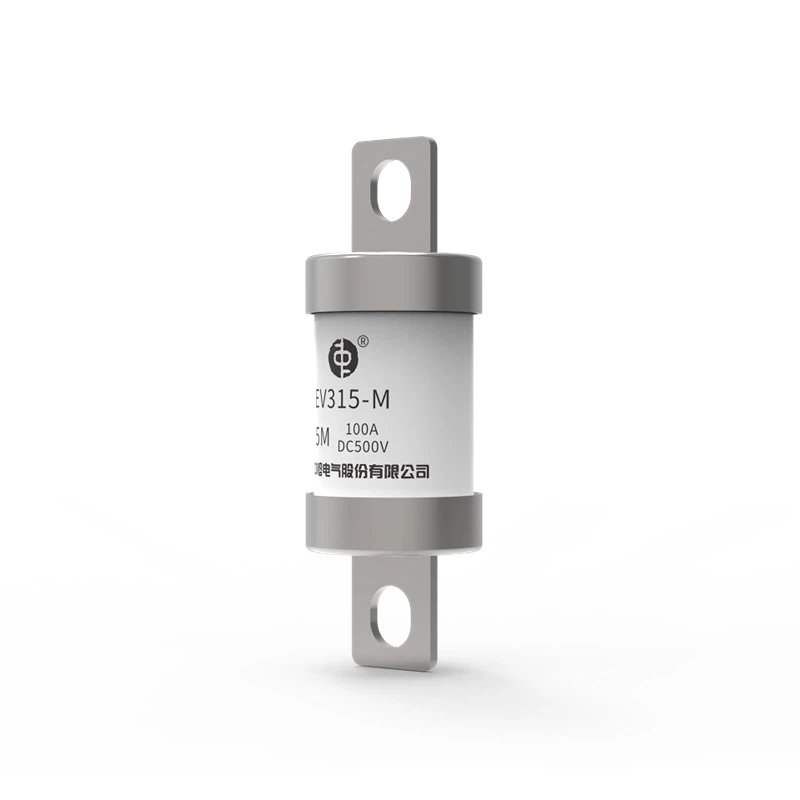
As a fuse supplier, we have a wide range of high - quality fuses for your home's electrical system. For example, we offer the SINOFUSE EV315 - M - 5M High Voltage DC Fuses. These fuses are designed for high - voltage applications and provide reliable protection for your electrical equipment.
Another great option is the Hudson EVU8.0 - 200A Electric Car Fuse. If you have an electric car charging station at home, this fuse can help protect the charging system and your home's electrical system from overloads.

We also have the SINOFUSE RSZ307 - 01 - EVLM High Voltage DC Fuses. These fuses are built to handle high - voltage DC applications, ensuring the safety and efficiency of your electrical system.
Contact Us for Your Fuse Needs
If you're looking for high - quality fuses for your home's electrical system or any other applications, don't hesitate to reach out. We're here to help you find the right fuses for your specific needs. Whether you need a simple cartridge fuse for your home or a high - breaking - capacity fuse for a larger project, we've got you covered. Contact us to start a procurement discussion, and let's work together to keep your electrical systems safe and running smoothly.
References
- "Electrical Installation and Maintenance" by John Tomczyk
- "Understanding Electrical Systems" by Electrical Safety Foundation International