

Hey there! As a solar inverter supplier, I've seen firsthand how these nifty devices can have a big impact on the power quality of the grid. In this blog post, I'm gonna break down the ins and outs of how solar inverters affect the grid and why it matters.

Let's start with the basics. A solar inverter is a key component in a solar power system. Its main job is to convert the direct current (DC) electricity produced by solar panels into alternating current (AC) electricity, which is what most of our household appliances and the grid use. Without an inverter, the solar power we generate wouldn't be usable in our daily lives.
One of the major ways a solar inverter affects the grid is through the quality of the AC power it outputs. Power quality refers to how closely the electrical power supplied to a device or the grid matches the ideal voltage, frequency, and waveform. A high - quality solar inverter will produce AC power that closely mimics the characteristics of the grid's power.
Voltage Regulation
Voltage is a crucial aspect of power quality. If the voltage output from a solar inverter is too high or too low, it can cause problems for electrical devices connected to the grid. For instance, if the voltage is too high, it can overheat and damage sensitive electronics. On the other hand, low voltage can make appliances work inefficiently or not work at all.
Good solar inverters are designed to regulate the output voltage within a narrow range. They constantly monitor the grid voltage and adjust their output accordingly. This helps maintain a stable voltage level on the grid, especially in areas with a high penetration of solar power. For example, our Deye 5KW 8KW 220VAC Hybrid Solar Inverter is equipped with advanced voltage regulation technology. It can sense changes in the grid voltage and make precise adjustments to ensure a smooth and stable power supply.
Frequency Stability
Frequency is another important factor in power quality. In most countries, the standard frequency of the grid is either 50 Hz or 60 Hz. Any significant deviation from this standard frequency can disrupt the operation of electrical equipment. Motors may run at incorrect speeds, and clocks may lose time.
A reliable solar inverter will keep the output frequency stable. It synchronizes with the grid frequency and adjusts its operation to match it. When a large number of solar inverters are connected to the grid, their collective ability to maintain frequency stability becomes even more critical. Our High Quality Solar Inverter 3Kw OFF Grid Hybrid Solar is engineered to provide excellent frequency stability, whether it's operating in grid - connected or off - grid mode.
Harmonics and Waveform Distortion
The waveform of the AC power is also a key indicator of power quality. An ideal AC waveform is a pure sine wave. However, some solar inverters can introduce harmonics, which are additional frequencies that distort the pure sine wave. These harmonics can cause a variety of problems, such as overheating of transformers, interference with communication systems, and increased power losses in the grid.
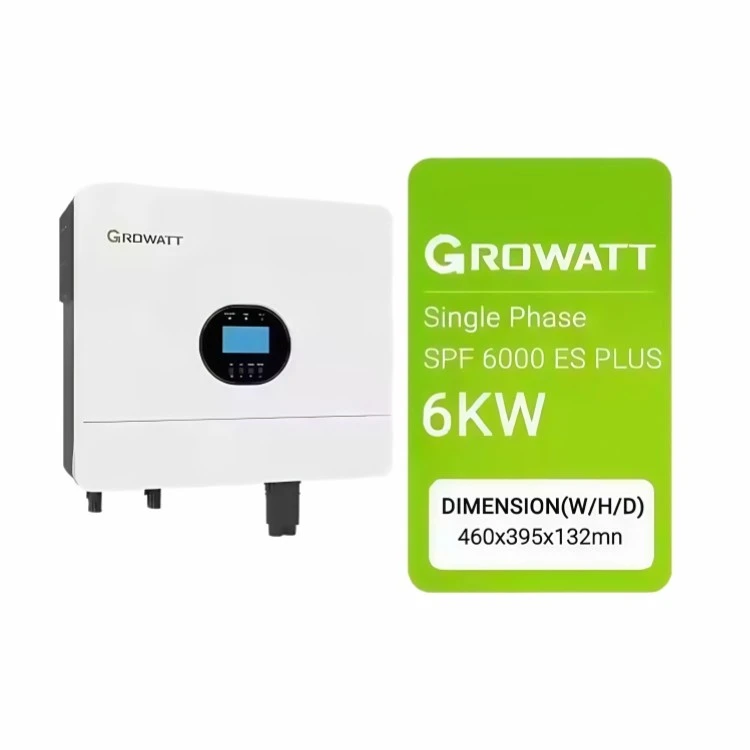
Modern solar inverters are designed to minimize harmonic distortion. They use advanced filtering techniques to clean up the output waveform and make it as close to a pure sine wave as possible. For example, the Growatt Off Grid 6Kw/48V SPF 6000 ES Plus Inverter has a low total harmonic distortion (THD) rating, which means it produces a clean and high - quality power output that won't cause issues on the grid.
Reactive Power Compensation
Reactive power is another aspect that solar inverters can influence. Reactive power is required to establish and maintain the electric and magnetic fields in electrical equipment. If there's an imbalance in reactive power on the grid, it can lead to increased power losses and reduced voltage stability.
Some solar inverters are capable of providing reactive power compensation. They can inject or absorb reactive power as needed to maintain a proper balance on the grid. This helps improve the overall efficiency of the grid and reduces the need for additional reactive power compensation equipment.
Impact on Grid Stability
When a large number of solar inverters are connected to the grid, they can have a significant impact on grid stability. During periods of high solar generation, such as sunny afternoons, there can be an excess of power on the grid. If the solar inverters are not properly controlled, this can lead to voltage spikes and frequency fluctuations.
However, with the right technology and control strategies, solar inverters can actually enhance grid stability. For example, they can be programmed to curtail their power output when the grid is under stress. This helps prevent overloading and ensures a reliable power supply for all consumers.
Grid - Connection and Islanding Protection
Grid - connected solar inverters need to have proper protection mechanisms to ensure safe and reliable operation. One of the most important protections is against islanding. Islanding occurs when a solar power system continues to supply power to a section of the grid that has been disconnected from the main grid. This can be extremely dangerous for utility workers who may think the power is off when it's actually still live.
Solar inverters are equipped with anti - islanding protection. They constantly monitor the grid voltage and frequency. If they detect that the grid has been disconnected, they will immediately shut down the power output to prevent islanding. This ensures the safety of both the grid operators and the general public.
The Role of Smart Inverters
The future of solar inverters lies in smart technology. Smart inverters can communicate with the grid and other solar power systems. They can adjust their operation based on real - time grid conditions, such as voltage, frequency, and power demand.
For example, during peak demand periods, smart inverters can reduce their power output to help balance the grid. They can also participate in demand - response programs, where they are rewarded for providing grid - support services. This kind of intelligent operation not only improves power quality but also makes the grid more resilient and efficient.
Conclusion
In conclusion, solar inverters play a vital role in determining the power quality of the grid. From voltage regulation and frequency stability to harmonic reduction and reactive power compensation, they have a wide range of functions that contribute to a reliable and efficient power supply.
As a solar inverter supplier, we're committed to providing high - quality inverters that meet the strictest power quality standards. Our inverters are designed to work seamlessly with the grid and enhance its performance. Whether you're a homeowner looking to install a small solar power system or a utility company planning a large - scale solar project, we have the right inverter for you.
If you're interested in learning more about our solar inverters or are looking to make a purchase, feel free to reach out. We're here to answer all your questions and help you find the best solution for your needs. Let's work together to build a cleaner and more sustainable energy future!
References
- "Solar Photovoltaic Systems: Design and Installation" by Peter Hacker
- "Power Quality in Electrical Systems" by Nader Mohan
- Industry reports from the International Renewable Energy Agency (IRENA)