

Hey there, fellow boating enthusiasts! As a marine battery supplier, I've seen my fair share of battery charging problems. It can be super frustrating when your battery won't charge, especially when you're all set to hit the water. But don't worry, I'm here to walk you through how to troubleshoot those pesky marine battery charging issues.
1. Check the Basics First
Before you start digging deep into the complex stuff, it's always a good idea to check the basics. First off, make sure your battery charger is actually plugged in and getting power. Sounds simple, but you'd be surprised how often this is the culprit. Just give it a quick visual inspection and maybe even try plugging it into a different outlet to be sure.
Next, take a look at the connections between the charger and the battery. Over time, these connections can get loose, corroded, or dirty. If you see any signs of corrosion, which usually looks like a white or greenish powdery substance around the terminals, you'll need to clean it off. You can use a mixture of baking soda and water to gently scrub away the corrosion. Just be careful not to get any of the solution inside the battery.
Also, make sure the charger is set to the correct voltage and charging mode for your battery. Using the wrong settings can not only prevent the battery from charging properly but can also damage it in the long run.
2. Test the Battery
If the basics check out and you're still having problems, it's time to test the battery itself. You can use a multimeter to measure the battery's voltage. A fully charged 12-volt marine battery should read around 12.6 to 12.8 volts. If the voltage is significantly lower than this, it could mean that the battery is discharged or damaged.
Another way to test the battery is to perform a load test. This involves applying a load to the battery and measuring how well it holds up. You can use a load tester for this, which is a tool specifically designed to perform this type of test. If the battery fails the load test, it's likely that it needs to be replaced.
3. Inspect the Charger
If the battery tests fine, the problem might be with the charger. Start by checking the charger's indicator lights. Most chargers have lights that show the charging status, such as whether it's charging, fully charged, or if there's a problem. If the lights aren't working or are showing an error code, refer to the charger's manual to figure out what's going on.
You can also test the charger's output voltage using a multimeter. Connect the multimeter to the charger's output terminals and set it to the appropriate voltage range. The output voltage should match the charger's specifications. If it doesn't, the charger might be faulty and need to be repaired or replaced.
4. Look for Other Issues
Sometimes, the problem isn't with the battery or the charger at all. There could be other issues in the boat's electrical system that are preventing the battery from charging properly. For example, a blown fuse in the charging circuit can interrupt the flow of electricity. Check all the fuses related to the charging system and replace any that are blown.
Another possible issue is a faulty alternator. The alternator is responsible for charging the battery while the boat's engine is running. If the alternator isn't working correctly, the battery won't get charged. You can test the alternator's output voltage using a multimeter while the engine is running. If the voltage is too low or too high, the alternator might need to be repaired or replaced.
5. Consider the Battery Type
Different types of marine batteries have different charging requirements. For example, lead-acid batteries, which are the most common type of marine battery, require a different charging profile than lithium-ion batteries. If you're using a charger that's designed for lead-acid batteries on a lithium-ion battery, it won't charge properly.
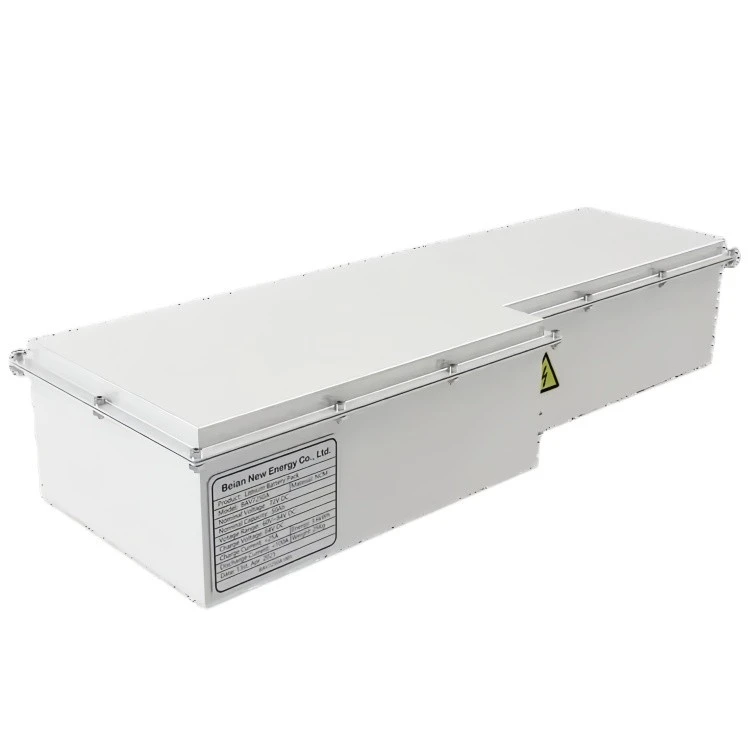
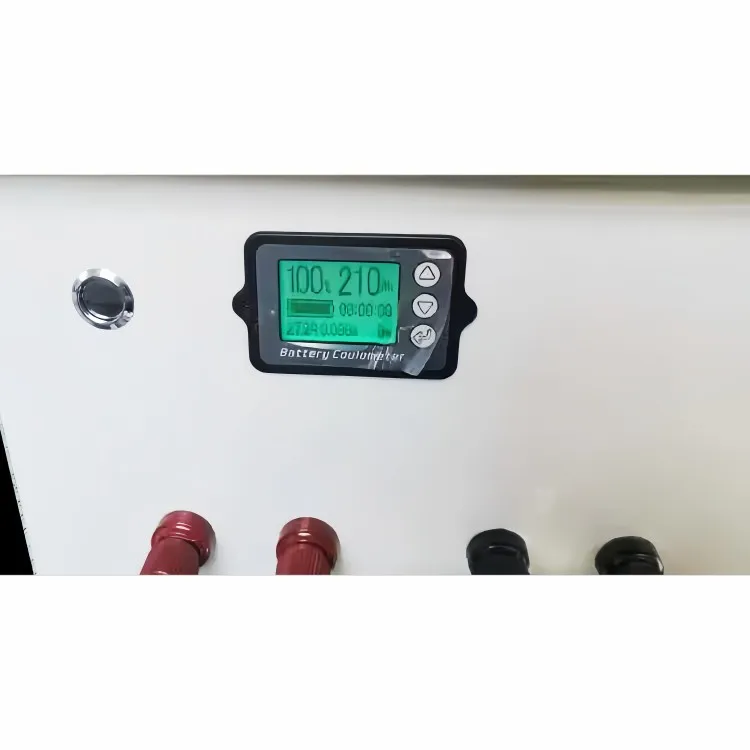
At our company, we offer a wide range of marine batteries to suit different needs. For example, we have the 25.6V 210Ah Lithium Battery Pack for Electric Boats, which is a great option for electric boats. It offers high energy density and long cycle life. We also have the 72V 100Ah Marine Battery, which is suitable for larger boats with higher power requirements. And if you're looking for a battery with advanced communication capabilities, check out our 24V 90Ah LiFePO4 Battery with RS485.
6. Seek Professional Help
If you've tried all of the above steps and you're still having problems, it might be time to seek professional help. A qualified marine electrician or technician can diagnose and fix more complex charging problems. They have the tools and expertise to troubleshoot the entire electrical system and identify any underlying issues.
Conclusion
Troubleshooting a marine battery charging problem can be a bit of a hassle, but by following these steps, you should be able to figure out what's going on and get your battery charging again. Remember to always follow safety precautions when working with batteries and electrical systems, and if you're not comfortable doing the troubleshooting yourself, don't hesitate to seek professional help.
If you're in the market for a new marine battery or need some advice on which battery is right for your boat, we're here to help. We have a team of experts who can answer all your questions and guide you through the selection process. Just reach out to us, and we'll be happy to assist you with your battery needs.
References
- BoatUS Foundation for Boating Safety and Clean Water. (n.d.). Marine Battery Basics. Retrieved from BoatUS website.
- Trojan Battery Company. (n.d.). Battery Maintenance and Troubleshooting Guide. Retrieved from Trojan Battery website.