

Hey there! As a supplier of the 72V 100Ah Marine Battery, I've seen firsthand how crucial it is to optimize the charging process for these powerhouses. In this blog, I'll share some tips and tricks to help you get the most out of your battery's charging cycle.
Understanding Your 72V 100Ah Marine Battery
Before we dive into the optimization process, let's take a quick look at what makes our 72V 100Ah Marine Battery so special. This battery is designed specifically for marine applications, providing a reliable and long-lasting power source for your boat. With a high capacity of 100Ah, it can handle the demands of various marine equipment, from trolling motors to navigation systems.
The 72V voltage is also significant, as it allows for more efficient power transfer and can support larger electrical loads. However, this higher voltage also means that the charging process needs to be carefully managed to ensure the battery's safety and longevity.
Choosing the Right Charger
One of the most important steps in optimizing the charging process is selecting the right charger for your 72V 100Ah Marine Battery. A charger that is specifically designed for marine batteries will have the appropriate voltage and current settings to safely and efficiently charge your battery.
Look for a charger with a multi-stage charging process, such as a three-stage or four-stage charger. These chargers will automatically adjust the charging current and voltage based on the battery's state of charge, ensuring a full and balanced charge without overcharging.
It's also a good idea to choose a charger with built-in safety features, such as overcharge protection, short-circuit protection, and reverse polarity protection. These features will help prevent damage to your battery and charger in case of a malfunction.
Preparing Your Battery for Charging
Before you start charging your 72V 100Ah Marine Battery, it's important to prepare it properly. First, make sure the battery is disconnected from any electrical loads, such as your boat's electrical system or other devices. This will prevent any electrical interference during the charging process.
Next, check the battery's electrolyte level (if it's a flooded lead-acid battery) and add distilled water if necessary. Make sure the battery terminals are clean and free of corrosion. You can use a wire brush or battery terminal cleaner to remove any dirt or corrosion.
Charging Your Battery
Once you've chosen the right charger and prepared your battery, it's time to start the charging process. Connect the charger to the battery according to the manufacturer's instructions. Make sure the positive and negative terminals are correctly connected to avoid any damage to the battery or charger.
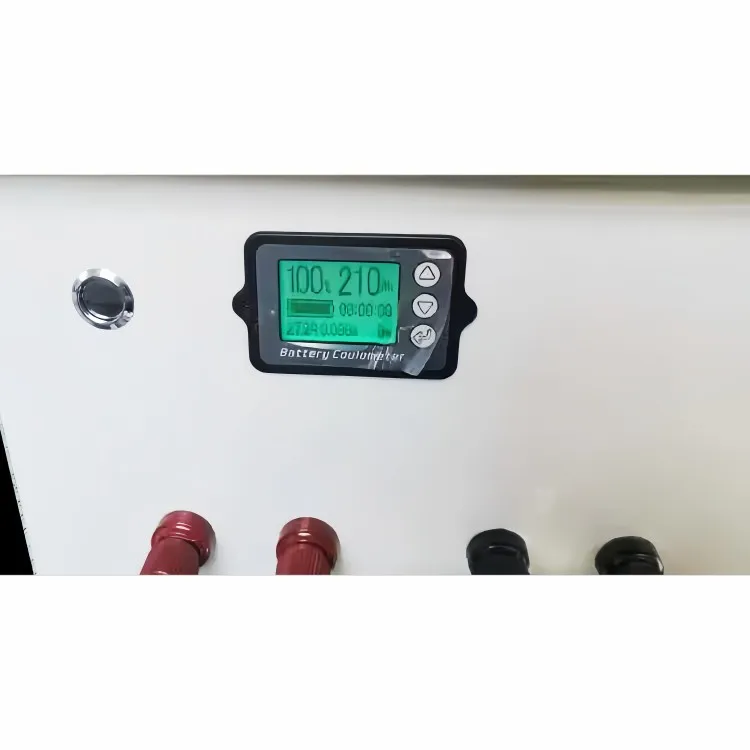
Most chargers will have an indicator light or display that shows the charging status. Monitor the charging process and make sure the charger is operating properly. If you notice any unusual noises, smells, or signs of overheating, stop the charging process immediately and check the charger and battery for any issues.
Monitoring the Charging Process
It's important to monitor the charging process to ensure that your battery is being charged safely and efficiently. Most chargers will have a built-in timer or indicator that shows the estimated charging time. However, it's still a good idea to periodically check the battery's voltage and temperature during the charging process.
You can use a voltmeter to measure the battery's voltage. A fully charged 72V 100Ah Marine Battery should have a voltage of around 78V to 82V. If the voltage is significantly lower or higher than this range, it could indicate a problem with the battery or charger.
You can also use an infrared thermometer to measure the battery's temperature. The battery should not get too hot during the charging process. If the temperature exceeds 120°F (49°C), stop the charging process and let the battery cool down before continuing.

Avoiding Overcharging
Overcharging is one of the most common causes of battery damage and reduced lifespan. When a battery is overcharged, it can cause the electrolyte to boil, which can lead to the loss of water and the formation of sulfation on the battery plates. Sulfation can reduce the battery's capacity and performance over time.
To avoid overcharging, make sure you use a charger with a multi-stage charging process and follow the manufacturer's instructions. Do not leave the battery connected to the charger for longer than necessary, especially if the charger does not have an automatic shut-off feature.
Maintaining Your Battery
Optimizing the charging process is just one part of maintaining your 72V 100Ah Marine Battery. To ensure its long-term performance and reliability, it's important to follow a regular maintenance schedule.
This includes checking the battery's electrolyte level (if it's a flooded lead-acid battery) and adding distilled water as needed, cleaning the battery terminals regularly, and storing the battery in a cool, dry place when not in use.
It's also a good idea to perform a load test on your battery periodically to check its capacity and performance. A load test will simulate the actual electrical load on the battery and give you an idea of how well it's performing.
Other Considerations
In addition to the tips mentioned above, there are a few other things to consider when optimizing the charging process of your 72V 100Ah Marine Battery.
- Temperature: The temperature can have a significant impact on the charging process and the battery's performance. It's best to charge your battery at a temperature between 50°F (10°C) and 86°F (30°C). Avoid charging the battery in extreme temperatures, as this can reduce its capacity and lifespan.
- Battery Type: Different types of batteries, such as lead-acid, lithium-ion, and AGM batteries, have different charging requirements. Make sure you understand the specific charging requirements of your battery type and follow the manufacturer's instructions.
- Charging Frequency: It's a good idea to charge your battery regularly, even if it's not fully discharged. This will help prevent sulfation and keep the battery in good condition. However, avoid overcharging the battery, as this can also cause damage.
Conclusion
Optimizing the charging process of your 72V 100Ah Marine Battery is essential for ensuring its long-term performance and reliability. By choosing the right charger, preparing the battery properly, monitoring the charging process, and following a regular maintenance schedule, you can extend the life of your battery and get the most out of your marine equipment.
If you have any questions or need more information about our 72V 100Ah Marine Battery, or other products like the 25.6V 210Ah Lithium Battery Pack for Electric Boats and 24V 90Ah LiFePO4 Battery with RS485, feel free to reach out. We're here to help you make the most of your marine power solutions. Whether you're a boat owner, a marine equipment installer, or a distributor, we can provide you with the products and support you need. Contact us today to start a discussion about your battery needs and explore how we can work together to optimize your marine power system.
References
- Battery University: A comprehensive resource for battery information and charging guidelines.
- Marine Battery Manufacturer's Manuals: Always refer to the manufacturer's instructions for specific charging requirements and recommendations.