

Jump-starting a boat with a marine battery can be a crucial skill for boat owners, especially in unexpected situations where the boat's battery fails to start the engine. As a marine battery supplier, I've encountered numerous customers facing such issues, and I'm here to share comprehensive guidance on how to jump-start a boat safely and effectively.
Understanding the Basics of Marine Batteries
Before delving into the jump-starting process, it's essential to understand the types of marine batteries available. Marine batteries come in various chemistries, including lead-acid, lithium-ion, and LiFePO4. Each type has its own characteristics, advantages, and limitations.
- Lead-Acid Batteries: These are the most common type of marine batteries. They are relatively inexpensive and can provide a high amount of current for starting the engine. However, they are heavy, have a limited lifespan, and require regular maintenance.
- Lithium-Ion Batteries: Lithium-ion batteries are lighter, have a longer lifespan, and can provide a consistent amount of power. They are also more efficient and can be recharged faster than lead-acid batteries. However, they are more expensive and require a special charger.
- LiFePO4 Batteries: LiFePO4 batteries are a type of lithium-ion battery that offers several advantages over traditional lithium-ion batteries. They are safer, have a longer lifespan, and can withstand extreme temperatures. They are also more environmentally friendly and can be recycled.
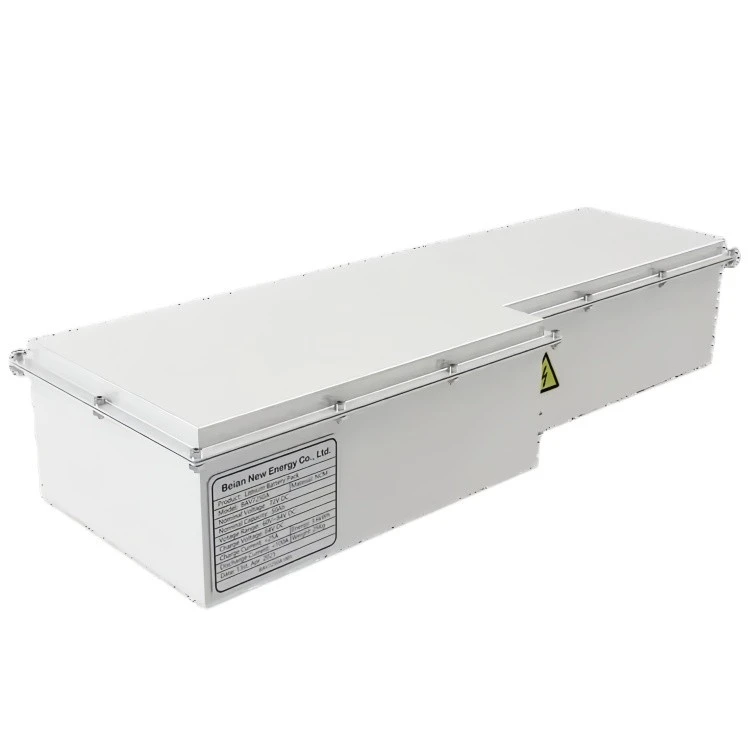
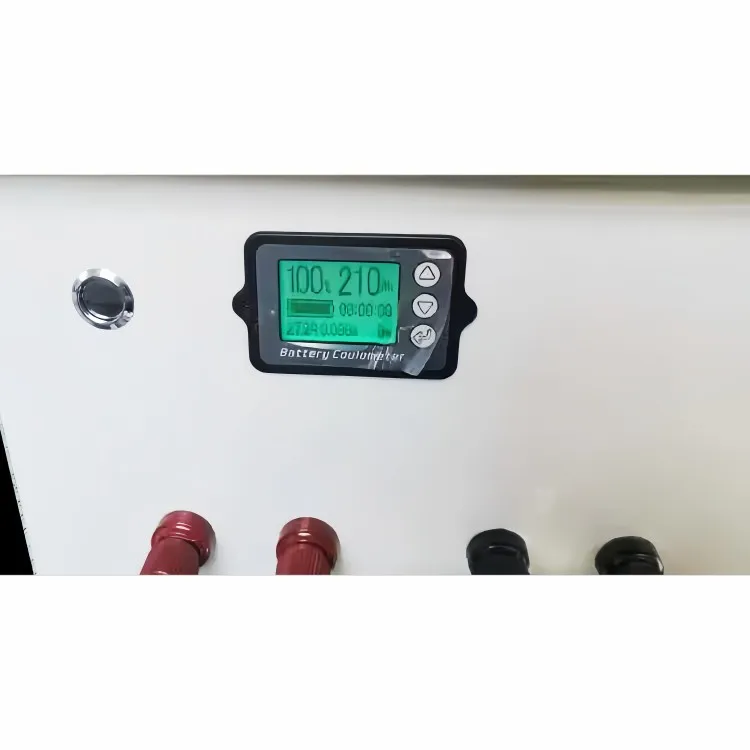
As a marine battery supplier, we offer a wide range of marine batteries to meet the needs of different boat owners. Our 25.6V 210Ah Lithium Battery Pack for Electric Boats is a popular choice for electric boats, providing a high amount of power and a long lifespan. Our 72V 100Ah Marine Battery is suitable for larger boats, offering a reliable source of power for starting the engine and running the electrical systems. And our 24V 90Ah LiFePO4 Battery with RS485 is a great option for boats that require a high-performance battery with advanced features.
Preparing for the Jump-Start
Before attempting to jump-start a boat, it's important to take some safety precautions to avoid any accidents or damage to the boat or the battery. Here are some steps to follow:
- Turn off all electrical devices: Before starting the jump-starting process, turn off all electrical devices on the boat, including the radio, lights, and navigation equipment. This will prevent any electrical surges or damage to the devices.
- Locate the batteries: Identify the location of the dead battery and the donor battery. Make sure both batteries are the same voltage and type.
- Inspect the batteries: Check the batteries for any signs of damage, such as cracks, leaks, or corrosion. If you notice any damage, do not attempt to jump-start the boat and seek professional assistance.
- Gather the necessary equipment: You will need a set of jumper cables, a charged donor battery, and a pair of safety gloves. Make sure the jumper cables are in good condition and have the appropriate amperage rating.
The Jump-Start Process
Once you have prepared for the jump-start, you can proceed with the following steps:
- Connect the jumper cables: Connect the positive (+) terminal of the donor battery to the positive (+) terminal of the dead battery using the red jumper cable. Then, connect the negative (-) terminal of the donor battery to a metal part of the boat's engine block, away from the battery. Do not connect the negative (-) terminal of the donor battery to the negative (-) terminal of the dead battery, as this can cause a spark and potentially ignite any hydrogen gas that may be present.
- Start the donor vehicle: Start the engine of the donor vehicle and let it run for a few minutes to charge the dead battery.
- Start the boat engine: Attempt to start the boat engine. If the engine does not start, wait a few minutes and try again. Do not crank the engine for more than 10 seconds at a time, as this can damage the starter motor.
- Disconnect the jumper cables: Once the boat engine has started, disconnect the jumper cables in the reverse order of how they were connected. Start by removing the negative (-) cable from the engine block, then remove the positive (+) cable from the dead battery, followed by the positive (+) cable from the donor battery, and finally the negative (-) cable from the donor battery.
- Let the boat engine run: Let the boat engine run for at least 15 minutes to allow the battery to recharge. This will help prevent the battery from dying again.
Tips and Tricks
Here are some additional tips and tricks to keep in mind when jump-starting a boat:
- Use a battery charger: If you have a battery charger, it's a good idea to use it to recharge the dead battery after jump-starting the boat. This will help ensure that the battery is fully charged and ready for the next use.
- Keep the batteries maintained: Regularly inspect and maintain your boat's batteries to prevent them from dying prematurely. This includes checking the battery fluid levels, cleaning the terminals, and charging the batteries when necessary.
- Have a spare battery: It's always a good idea to have a spare battery on board your boat in case of an emergency. Make sure the spare battery is fully charged and ready to use.
- Seek professional assistance: If you are unsure about how to jump-start a boat or if you encounter any problems during the process, seek professional assistance. A qualified marine mechanic can help you diagnose and fix the problem.
Conclusion
Jump-starting a boat with a marine battery is a relatively simple process that can be done with the right equipment and knowledge. By following the steps outlined in this blog post and taking the necessary safety precautions, you can safely and effectively jump-start your boat and get back on the water in no time.
As a marine battery supplier, we are committed to providing our customers with high-quality marine batteries and excellent customer service. If you have any questions or need assistance with choosing the right marine battery for your boat, please don't hesitate to contact us. We would be happy to help you find the perfect battery for your needs and budget.
References
- "Marine Batteries: A Guide to Choosing the Right One." BoatUS Magazine.
- "How to Jump-Start a Boat." West Marine.
- "Marine Battery Maintenance and Care." Blue Sea Systems.