

As a supplier of residential energy storage systems (ESS), one question that frequently arises from our customers is whether there are any noise issues associated with these systems. In this blog post, I'll delve into the topic, exploring the potential sources of noise in a residential ESS, how we address them, and what you can expect when integrating an ESS into your home.
Understanding the Components of a Residential ESS
Before we can discuss noise issues, it's essential to understand the key components of a residential ESS. A typical system consists of a battery bank, an inverter, a charge controller, and sometimes additional components like a management system. Each of these components can potentially generate noise, but the level and type of noise vary significantly.
Battery Bank
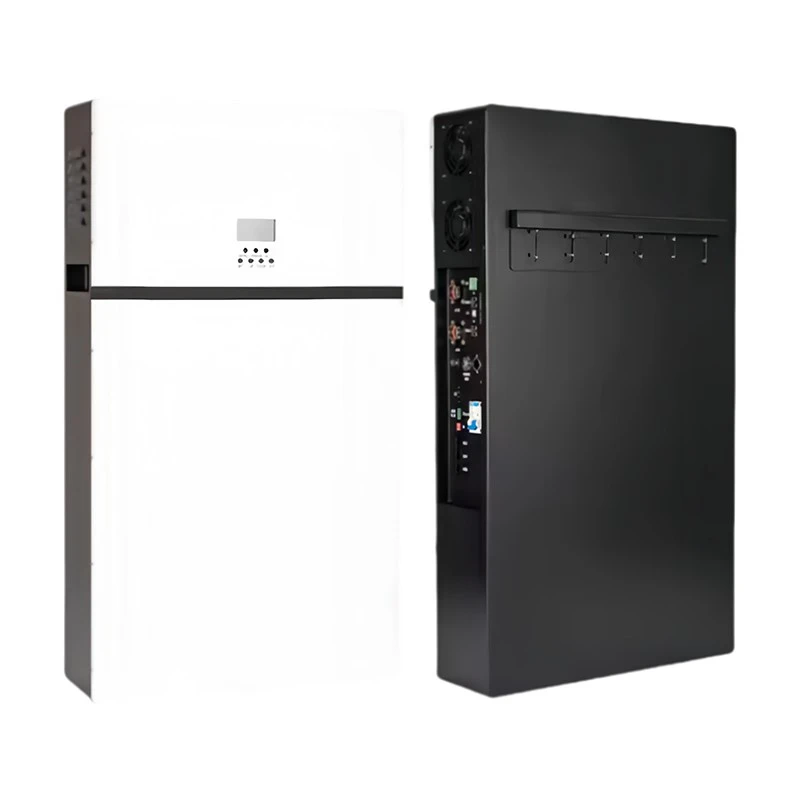
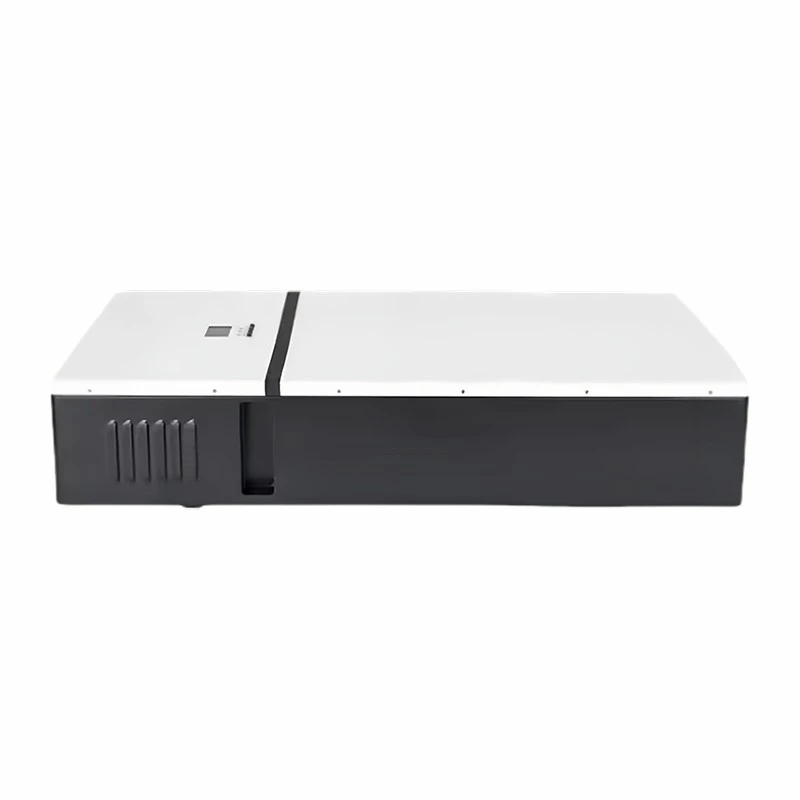
The battery bank is the heart of the ESS, storing electrical energy for later use. In most modern residential ESS, lithium iron phosphate (LiFePO4) batteries are used due to their high energy density, long lifespan, and safety features. LiFePO4 batteries are inherently quiet during normal operation. They do not produce any mechanical noise as they are based on chemical reactions to store and release energy. For example, our Household LiFePO4 51.2V with Various Specifications Energy Storage System and Household LiFePO4 51.2V 200Ah Energy Storage Battery are designed to operate silently, making them ideal for residential use.
Inverter
The inverter is responsible for converting the direct current (DC) stored in the battery bank into alternating current (AC) that can be used in your home. Inverters can be a source of noise, especially if they are of lower quality or not properly designed. There are two main types of noise associated with inverters: electrical noise and mechanical noise.
Electrical noise is caused by the high-frequency switching of electronic components within the inverter. This noise is typically inaudible to the human ear but can interfere with sensitive electronic devices if not properly filtered. Our inverters are equipped with advanced filtering technology to minimize electrical noise, ensuring that your home appliances and electronics operate smoothly without any interference.
Mechanical noise in inverters is usually due to the cooling fans. Inverters generate heat during operation, and cooling fans are used to dissipate this heat and prevent overheating. The noise level of the fans depends on their size, speed, and design. At our company, we use high-quality fans with low-noise bearings and optimized blade designs. Additionally, we design our inverters to operate efficiently, reducing the amount of heat generated and thus the need for the fans to run at high speeds. As a result, the mechanical noise from our inverters is minimal and comparable to the background noise in a typical home.
Charge Controller
The charge controller regulates the charging process of the battery bank, ensuring that the batteries are charged safely and efficiently. Charge controllers are generally quiet devices as they do not have any moving parts. They use electronic circuits to control the flow of current, and any noise generated is usually very low and within acceptable limits.
Factors Affecting Noise Levels
In addition to the components themselves, several factors can affect the noise levels of a residential ESS.
Installation Location
The location where the ESS is installed can have a significant impact on the perceived noise level. If the ESS is installed in a small, enclosed space, the noise can be amplified due to reverberation. It is recommended to install the ESS in a well-ventilated area with enough space around it to allow for proper air circulation. For example, installing the ESS in a utility room or a garage is often a good choice as these areas are typically less sensitive to noise compared to living areas.
Load and Operating Conditions
The noise level of the ESS can also vary depending on the load and operating conditions. When the ESS is under heavy load, the inverter may need to work harder, which can increase the noise level slightly. However, our systems are designed to handle varying loads efficiently, and the increase in noise is usually negligible.
Our Approach to Noise Reduction
At our company, we are committed to providing our customers with quiet and reliable residential ESS. We use high-quality components and advanced design techniques to minimize noise levels.
Component Selection
We carefully select the components for our ESS to ensure that they are of the highest quality and have low noise characteristics. For example, we source our inverters from reputable manufacturers who have a proven track record in producing quiet and efficient inverters. Our battery banks are also designed to operate silently, with no mechanical noise or vibration.
Design and Engineering
Our engineering team uses state-of-the-art design tools and simulation techniques to optimize the layout and operation of the ESS. We pay close attention to the airflow and cooling design to ensure that the components are kept at an optimal temperature without generating excessive noise. Additionally, we use sound-dampening materials in the enclosure of the ESS to further reduce any potential noise.
Customer Feedback and Satisfaction
We have received positive feedback from our customers regarding the noise levels of our residential ESS. Many customers have commented on how quiet the systems are, even during peak operation. Our commitment to noise reduction has not only improved the customer experience but also helped us build a reputation for providing high-quality and reliable products.
Conclusion
In conclusion, while there is a potential for noise in a residential ESS, especially from the inverter, our company has taken several measures to minimize these noise issues. Our use of high-quality components, advanced design techniques, and careful installation recommendations ensure that our residential ESS operate quietly and efficiently. If you are considering installing a residential ESS in your home, you can rest assured that our Household LiFePO4 51.2V with Various Specifications Energy Storage System, Household LiFePO4 51.2V 200Ah Energy Storage Battery, and 51.2V/100Ah LiFePO4 Home Use Energy Storage will not cause any significant noise disturbances.
If you are interested in learning more about our residential ESS or have any questions regarding noise issues, please feel free to contact us. We are always happy to assist you in finding the right energy storage solution for your home.
References
- "Lithium-Ion Batteries: Fundamentals and Applications" by J. O. Besenhard
- "Power Electronics: Converters, Applications, and Design" by Ned Mohan, Tore M. Undeland, and William P. Robbins