

In the dynamic landscape of energy storage, Nickel Cobalt Manganese (NCM) battery cells have emerged as a cornerstone technology, powering a wide array of applications from electric vehicles to portable electronics. As a leading NCM battery cells supplier, I've witnessed firsthand the pivotal role that anode materials play in determining the performance, safety, and longevity of these cells. In this blog, I'll delve into the impact of different anode materials on NCM battery cells, exploring their unique characteristics and how they shape the overall functionality of these advanced energy storage solutions.
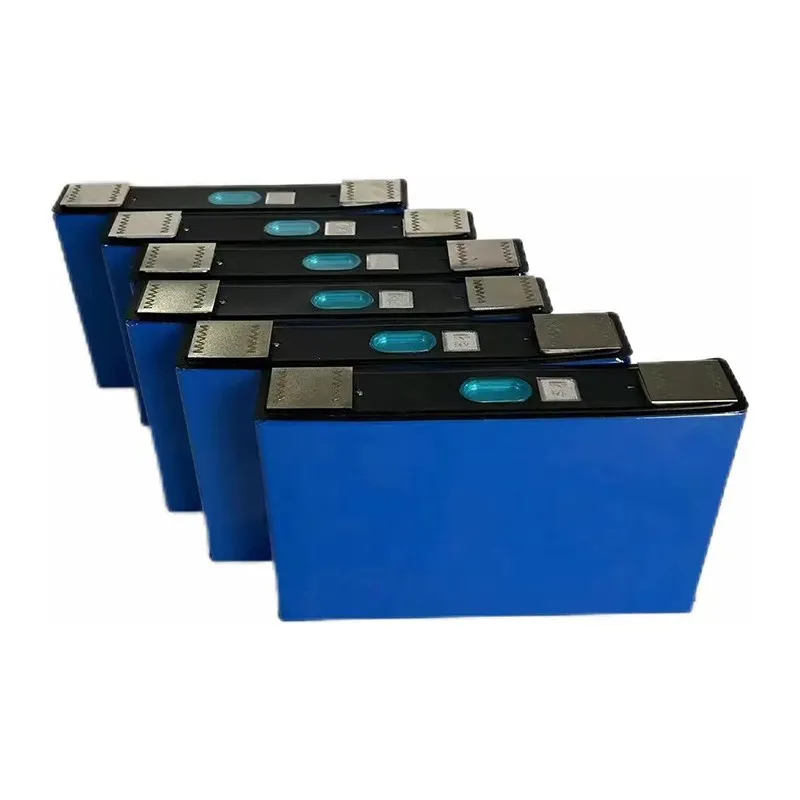

Understanding NCM Battery Cells
Before we dive into the specifics of anode materials, let's take a moment to understand the basic structure and operation of NCM battery cells. NCM batteries are a type of lithium-ion battery that utilizes a cathode made of a composite of nickel, cobalt, and manganese. These elements work in harmony to provide high energy density, long cycle life, and good thermal stability. The anode, on the other hand, is responsible for storing and releasing lithium ions during the charging and discharging process.
Common Anode Materials for NCM Battery Cells
There are several anode materials commonly used in NCM battery cells, each with its own set of advantages and disadvantages. Here are some of the most prevalent ones:
Graphite
Graphite is the most widely used anode material in lithium-ion batteries, including NCM cells. It has a layered structure that allows lithium ions to intercalate and deintercalate easily, providing a stable and reversible electrochemical reaction. Graphite anodes offer high energy density, good cycling stability, and relatively low cost. However, they also have some limitations, such as a relatively low lithium-ion diffusion rate and a tendency to form a solid electrolyte interphase (SEI) layer on the surface, which can lead to capacity loss over time.
Lithium Titanate (LTO)
Lithium titanate is another popular anode material for NCM battery cells. It has a spinel structure that provides excellent cycling stability, fast charging capabilities, and a wide operating temperature range. LTO anodes are also known for their high safety, as they are less prone to thermal runaway and overcharging compared to graphite anodes. However, LTO anodes have a lower energy density than graphite anodes, which means that they can store less energy per unit volume or weight.
Silicon
Silicon is a promising anode material for next-generation NCM battery cells. It has a theoretical specific capacity that is more than ten times higher than that of graphite, which makes it an attractive option for increasing the energy density of lithium-ion batteries. However, silicon anodes also face several challenges, such as large volume changes during charging and discharging, which can lead to cracking and pulverization of the anode material, and poor cycling stability. Researchers are actively working on developing strategies to overcome these challenges, such as using silicon composites or nanostructured silicon materials.
Impact of Anode Materials on NCM Battery Cell Performance
The choice of anode material can have a significant impact on the performance of NCM battery cells. Here are some of the key performance parameters that are affected by the anode material:
Energy Density
Energy density is one of the most important performance parameters of a battery cell, as it determines how much energy can be stored in a given volume or weight. As mentioned earlier, silicon anodes have the potential to significantly increase the energy density of NCM battery cells due to their high theoretical specific capacity. However, the practical implementation of silicon anodes is still limited by the challenges mentioned above. Graphite anodes, on the other hand, offer a good balance between energy density and cycling stability, making them the most commonly used anode material in NCM battery cells.
Cycling Stability
Cycling stability refers to the ability of a battery cell to maintain its performance over multiple charge-discharge cycles. Anode materials with good cycling stability are essential for ensuring the long-term reliability and durability of NCM battery cells. Graphite anodes are known for their excellent cycling stability, as they can withstand hundreds or even thousands of charge-discharge cycles without significant capacity loss. LTO anodes also offer excellent cycling stability, making them a popular choice for applications that require high cycle life, such as electric vehicles and grid energy storage.
Charging Rate
The charging rate of a battery cell is another important performance parameter, especially for applications that require fast charging, such as electric vehicles. Anode materials with high lithium-ion diffusion rates and low resistance are essential for achieving fast charging capabilities. LTO anodes are known for their fast charging capabilities, as they have a high lithium-ion diffusion rate and a low resistance compared to graphite anodes. Silicon anodes also have the potential to offer fast charging capabilities, but the large volume changes during charging and discharging can limit their practical implementation.
Safety
Safety is a critical concern for any battery technology, especially for applications that involve high energy densities and large-scale energy storage. Anode materials that are less prone to thermal runaway and overcharging are essential for ensuring the safety of NCM battery cells. LTO anodes are known for their high safety, as they have a high thermal stability and are less prone to overcharging compared to graphite anodes. Graphite anodes, on the other hand, can be more prone to thermal runaway if they are overcharged or if the battery cell is exposed to high temperatures.
Our NCM Battery Cell Offerings
As a leading NCM battery cells supplier, we offer a wide range of high-quality NCM battery cells with different anode materials to meet the diverse needs of our customers. Our product portfolio includes:
- 3.67V 78Ah NCM Lithium Ion Battery: This battery cell features a graphite anode and offers a high energy density, long cycle life, and good thermal stability. It is suitable for a wide range of applications, including electric vehicles, energy storage systems, and portable electronics.
- Prismatic 3.73V 58Ah NCM Lithium Ion Battery Cell: This prismatic battery cell is designed for high-performance applications that require a compact and lightweight design. It features a graphite anode and offers a high energy density, fast charging capabilities, and good cycling stability.
- 3.7V 147Ah NCM Lithium Ion Battery: This large-capacity battery cell is suitable for applications that require high energy storage, such as grid energy storage and electric buses. It features a graphite anode and offers a high energy density, long cycle life, and good thermal stability.
Conclusion
In conclusion, the choice of anode material has a significant impact on the performance, safety, and longevity of NCM battery cells. Different anode materials offer unique characteristics and trade-offs, and the optimal choice depends on the specific requirements of the application. As a leading NCM battery cells supplier, we are committed to providing our customers with high-quality NCM battery cells with different anode materials to meet their diverse needs. If you are interested in learning more about our NCM battery cell offerings or have any questions about anode materials, please don't hesitate to contact us for further discussion and potential procurement opportunities.
References
- Arumugam Manthiram, “Positive Electrode Materials for Li-Ion and Li-Batteries,” Chemical Reviews, 2017.
- John B. Goodenough, “Challenges for Rechargeable Li Batteries,” Journal of the American Chemical Society, 2011.
- Kang Xu, “Nonaqueous Liquid Electrolytes for Lithium-Based Rechargeable Batteries,” Chemical Reviews, 2004.