

How to Dispose of a Damaged 3.7V 147Ah NCM Lithium Ion Battery?
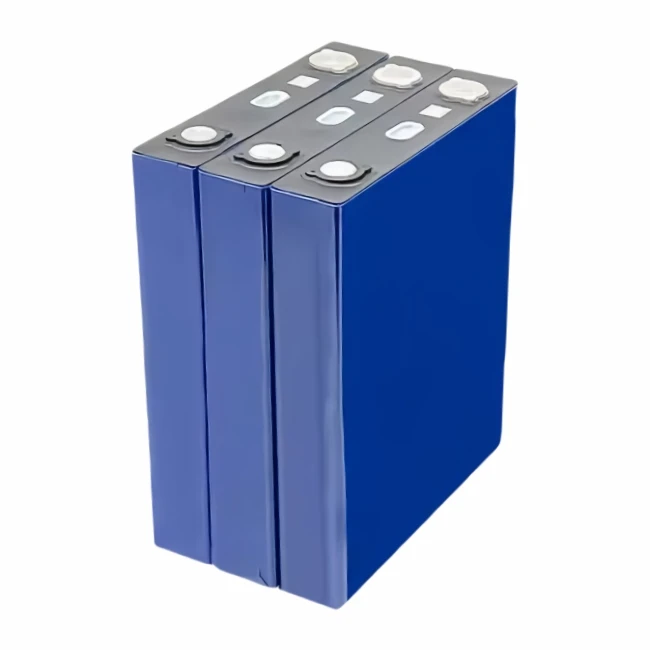
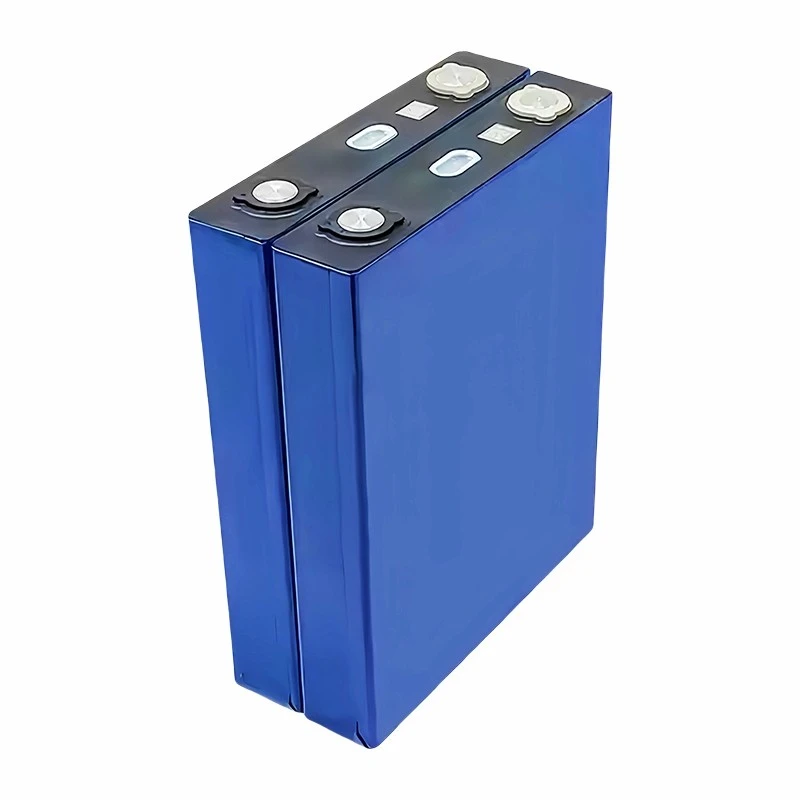
As a supplier of 3.7V 147Ah NCM Lithium Ion Batteries, I'm acutely aware of the importance of proper battery disposal. Not only does correct disposal safeguard the environment, but it also ensures the safety of everyone involved in the process. In this blog, I'll share detailed insights on how to dispose of a damaged 3.7V 147Ah NCM Lithium Ion Battery 3.7V 147Ah NCM Lithium Ion Battery safely and responsibly.
Understanding the Risks of Damaged NCM Lithium Ion Batteries
Before delving into the disposal methods, it's crucial to understand why damaged NCM Lithium Ion Batteries pose significant risks. The NCM (Nickel, Cobalt, Manganese) chemistry in these batteries is highly reactive. A damaged battery can lead to a short - circuit, overheating, or even a thermal runaway, which may result in a fire or explosion. These risks are amplified if the battery is exposed to moisture, high temperatures, or sharp impacts.
Moreover, the heavy metals and toxic chemicals inside the battery can leach into the soil and water sources if not disposed of properly. Nickel, cobalt, and manganese are hazardous to human health and the environment. Long - term exposure to these substances can cause respiratory problems, skin diseases, and damage to the nervous system.
Initial Safety Precautions
The first step when dealing with a damaged 3.7V 147Ah NCM Lithium Ion Battery is to ensure personal safety. Always wear appropriate protective gear, including heat - resistant gloves, safety goggles, and a fire - retardant apron. Keep the battery away from flammable materials, open flames, and heat sources.
If the battery is leaking, avoid direct contact with the leaked electrolyte. The electrolyte is a corrosive and toxic substance that can cause severe skin burns and eye damage. Use a non - conductive material, such as a plastic spatula or wooden stick, to handle the battery carefully.
Discharging the Battery
Before disposal, it's essential to fully discharge the battery. A charged battery is more likely to experience a thermal runaway during the disposal process. However, discharging a damaged battery can be dangerous, so it should be done with extreme caution.
One method is to use a battery discharger specifically designed for lithium - ion batteries. These devices can safely dissipate the stored energy in a controlled manner. If a discharger is not available, you can create a simple resistive load. Connect a high - wattage resistor to the battery terminals. The resistor will convert the electrical energy into heat. Make sure to do this in a well - ventilated area and monitor the process closely. It's important to note that this method is only suitable for slightly damaged batteries. If the battery is severely damaged, it's best to seek professional help.
Segregation and Packaging
Once the battery is fully discharged, it should be segregated from other types of batteries and electronic waste. Lithium - ion batteries have unique disposal requirements, and mixing them with other materials can complicate the recycling process.
Use a sturdy, non - conductive container to package the battery. A plastic tote or a cardboard box lined with a non - conductive material is ideal. Make sure the container is labeled clearly as "Damaged Lithium - Ion Battery" to avoid any confusion. Place a layer of absorbent material, such as kitty litter, at the bottom of the container to soak up any potential leaks.
Recycling Options
Recycling is the most environmentally friendly way to dispose of a damaged 3.7V 147Ah NCM Lithium Ion Battery. There are specialized recycling facilities that can extract valuable metals from the battery, such as nickel, cobalt, and manganese, while safely disposing of the remaining materials.
Many local recycling centers accept lithium - ion batteries. You can check with your city's waste management department to find the nearest drop - off location. Additionally, some battery manufacturers and retailers offer take - back programs. These programs allow you to return the damaged battery to the manufacturer or retailer, who will then send it to a recycling facility.
However, not all recycling facilities are equipped to handle damaged lithium - ion batteries. Some may only accept fully intact batteries. In this case, you may need to find a specialized hazardous waste recycling facility. These facilities have the expertise and equipment to handle damaged batteries safely.
Incineration
In some cases, incineration may be considered as a disposal method. Incineration can be used to destroy the battery and recover some of the energy stored in it. However, this method should only be carried out in a certified incineration facility that has the proper pollution control equipment.
The incineration process must be carefully controlled to ensure that the toxic gases and heavy metals are not released into the environment. The ash residue from the incineration should also be properly treated and disposed of to prevent contamination.
Landfill Disposal
Landfill disposal is the least preferred option for damaged NCM Lithium Ion Batteries. However, in some rare cases, it may be the only option available. If landfill disposal is necessary, it should be done in a secure hazardous waste landfill.
These landfills are designed to prevent the leakage of toxic substances into the soil and groundwater. The battery should be placed in a sealed container and buried in a designated area. It's important to note that landfill disposal should only be used as a last resort due to the long - term environmental risks.
Other Related NCM Lithium Ion Batteries and Their Disposal
We also supply 3.67V 78Ah NCM Lithium Ion Battery 3.67V 78Ah NCM Lithium Ion Battery and Prismatic 3.65V 55Ah NCM Lithium Ion Battery Cell Prismatic 3.65V 55Ah NCM Lithium Ion Battery Cell. The disposal methods for these batteries are similar to those of the 3.7V 147Ah NCM Lithium Ion Battery. Always ensure that you follow the proper safety procedures and choose the most appropriate disposal method based on the battery's condition.
Encouragement to Contact for Purchasing
If you are in the market for high - quality NCM Lithium Ion Batteries, we'd love to have a conversation with you. Whether you need the 3.7V 147Ah variant or any of our other products, our team is ready to assist you in finding the best solution for your needs. Please reach out to explore our range of batteries and discuss your specific requirements.
References
- "Lithium - Ion Battery Recycling: A Comprehensive Review" by X. Zhang et al.
- "Safety Considerations for Lithium - Ion Batteries" by the Battery Association for Medium and Large - Scale Applications.
- "Waste Management Practices for Rechargeable Batteries" by the Environmental Protection Agency.