

Hey there, fellow marine enthusiasts! As a supplier of the 72V 100Ah Marine Battery, I get tons of questions about our products. One of the most frequently asked questions is about the specific gravity of the electrolyte in our 72V 100Ah marine battery. So, I thought I'd take some time to break it down for you.
First off, let's talk about what specific gravity actually is. Specific gravity is the ratio of the density of a substance to the density of a reference substance. In the case of battery electrolytes, the reference substance is usually water. It's a crucial metric because it gives us an idea of the state of charge of a battery. A fully charged battery typically has a higher specific gravity than a discharged one.
For a 72V 100Ah marine battery, the specific gravity of the electrolyte varies depending on its state of charge. When the battery is fully charged, the specific gravity of the electrolyte in a lead - acid marine battery (which is a common type) is usually around 1.265 to 1.285 at 25°C (77°F). This means the electrolyte is a relatively concentrated solution of sulfuric acid and water. As the battery discharges, the sulfuric acid in the electrolyte combines with the lead plates inside the battery to form lead sulfate. This process dilutes the electrolyte, and the specific gravity starts to drop. By the time the battery is fully discharged, the specific gravity can fall to around 1.100 to 1.150.
It's important to monitor the specific gravity regularly because it can tell you a lot about the health of your battery. If the specific gravity readings are consistently lower than expected for a fully charged battery, it could mean that the battery is sulfated, which is a condition where lead sulfate builds up on the battery plates and reduces the battery's capacity. On the other hand, if the specific gravity is too high, it could indicate overcharging, which can damage the battery by causing excessive gassing and water loss.
Now, you might be wondering how to measure the specific gravity of the electrolyte in a 72V 100Ah marine battery. The most common tool for this is a hydrometer. A hydrometer works by floating in the electrolyte, and it has a scale that shows the specific gravity reading. To use a hydrometer, you simply draw some electrolyte from one of the battery cells into the hydrometer, and then read the scale. Make sure to take readings from multiple cells because it's possible for some cells to be in better or worse condition than others.
But here's the thing: not all 72V 100Ah marine batteries use lead - acid technology. If you're using a lithium - ion battery like our 72V 100Ah Marine Battery, the concept of specific gravity doesn't really apply. Lithium - ion batteries don't use the same type of electrolyte as lead - acid batteries. Their electrolytes are usually non - aqueous solutions that contain lithium salts. Instead of specific gravity, we monitor the state of charge of lithium - ion batteries using other methods, such as measuring the voltage.
Our lithium - ion marine batteries have a lot of advantages over traditional lead - acid batteries. They're lighter, which is great for boats because it can improve fuel efficiency and performance. They also have a longer lifespan, so you won't have to replace them as often. And they're more efficient at charging and discharging, which means you can get more out of your battery.
If you're in the market for marine batteries, we also offer other great options like the 24V 90Ah LiFePO4 Battery with RS485 and the 25.6V 210Ah Lithium Battery Pack for Electric Boats. These batteries are designed specifically for marine applications, with features like high - energy density, low self - discharge rate, and built - in protection circuits.
Whether you're a professional sailor, a weekend boater, or someone who just likes to spend time on the water, having a reliable battery is essential. And that's where we come in. We're committed to providing high - quality marine batteries that meet your needs and exceed your expectations.
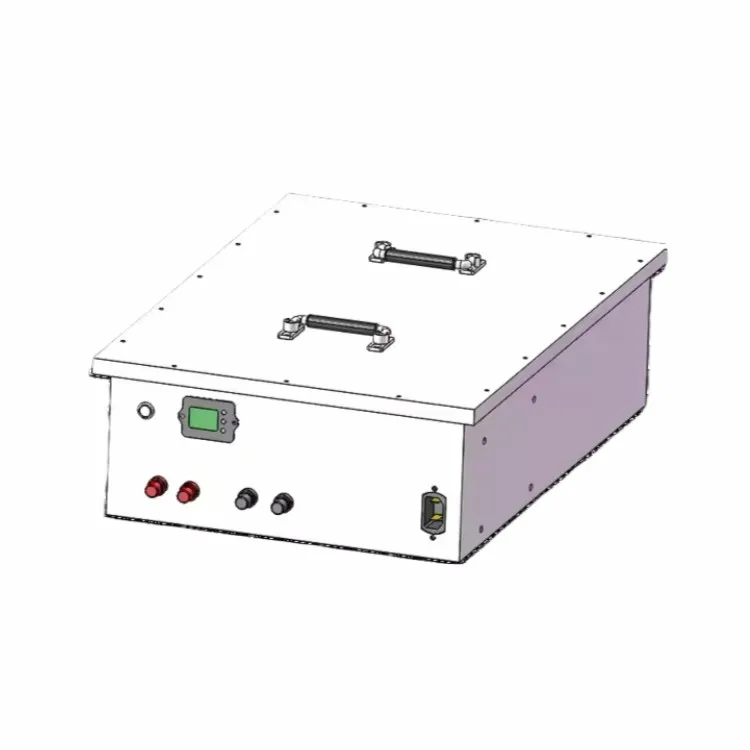

So, if you're interested in learning more about our 72V 100Ah Marine Battery, or any of our other products, feel free to reach out. We're here to answer your questions, provide technical support, and help you find the best battery solution for your boat. Don't hesitate to contact us for a purchase negotiation. We look forward to serving you and helping you power up your marine adventures!
References:
- Battery University: A comprehensive resource for battery knowledge and technology.
- Marine Electrical Systems Manual: A guidebook for understanding marine electrical systems and battery management.