

Hey there, fellow boating enthusiasts! As a supplier of marine batteries, I've been getting a ton of questions lately about the difference between flooded and sealed marine batteries. So, I thought I'd take a few minutes to break it down for you.

Let's start with flooded marine batteries. These are the old - school type of batteries that have been around for ages. They're also known as wet cell batteries. Inside a flooded battery, you've got lead plates submerged in an electrolyte solution, usually a mixture of sulfuric acid and water.
One of the big advantages of flooded batteries is their cost. They're generally cheaper to buy compared to sealed batteries. If you're on a tight budget and just need a basic battery to power your boat's essentials, a flooded battery might be the way to go.
Another plus is that they can handle high - current loads pretty well. This means they're great for starting engines, especially larger ones. When your engine needs a big jolt of power to fire up, a flooded battery can deliver.
However, flooded batteries do have their downsides. The most obvious one is the maintenance. You've got to regularly check the electrolyte levels and add distilled water when needed. If you don't keep an eye on the water levels, the lead plates can dry out, which will significantly reduce the battery's lifespan.
They're also a bit messy. Since the electrolyte is in a liquid form, there's a risk of spillage. If the battery gets tipped over or shaken up too much, that acid can leak out, which is not only a hazard to you but can also damage your boat.
Now, let's talk about sealed marine batteries. There are a few different types, like AGM (Absorbent Glass Mat) and Gel batteries. In an AGM battery, the electrolyte is absorbed into a fiberglass mat, while in a gel battery, the electrolyte is turned into a gel - like substance.
The biggest advantage of sealed batteries is the low maintenance. You don't have to worry about checking the water levels or adding distilled water. Once you install a sealed battery, you can pretty much forget about it until it's time to replace it.
They're also much safer. Since there's no free - flowing liquid electrolyte, there's no risk of spillage. This makes them a great choice for boats where space is limited or where you can't afford to have a potentially dangerous acid spill.
Sealed batteries are more vibration - resistant than flooded batteries. This is important if you've got a boat that gets a lot of rough treatment on the water. The vibrations won't cause as much damage to the internal components of a sealed battery.
But, sealed batteries do come with a higher price tag. They're more expensive to manufacture, and that cost gets passed on to you, the consumer. Also, they might not be as good at handling high - current loads as flooded batteries. If you've got a really big engine that needs a massive amount of power to start, a sealed battery might struggle.
So, which one should you choose? Well, it depends on your specific needs. If you're on a budget and don't mind doing a bit of maintenance and dealing with the potential mess, a flooded battery could be a good option. On the other hand, if you want a hassle - free, safe battery and you're willing to pay a bit more, a sealed battery is probably the way to go.
At our company, we offer a wide range of marine batteries to suit every need. For example, we have the 25.6V 210Ah Lithium Battery Pack for Electric Boats. This lithium battery pack is a great choice for electric boats, offering high energy density and long - lasting performance.
We also have the 24V 90Ah LiFePO4 Battery with RS485. This battery is known for its stability and safety, and the RS485 communication interface allows for easy monitoring and control.
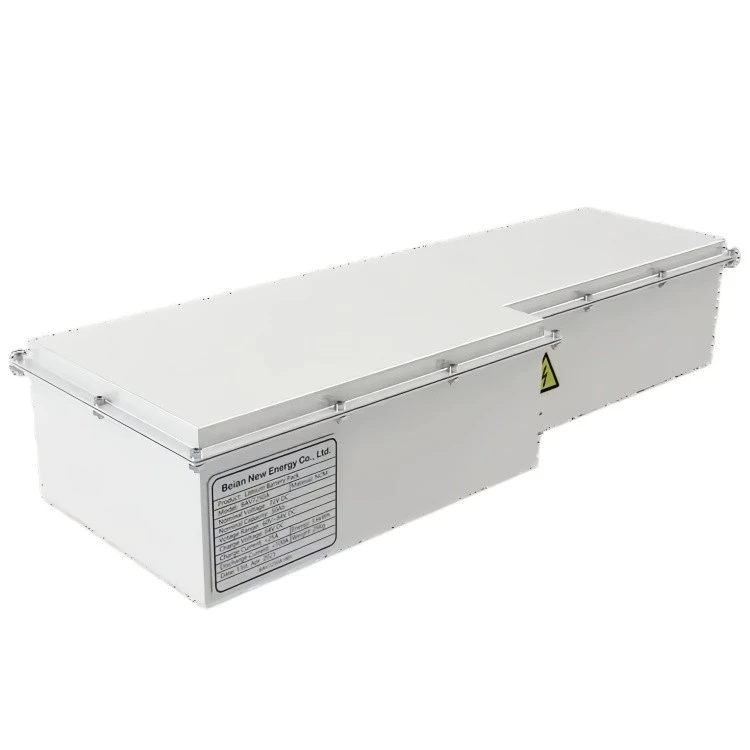
And if you need a high - voltage battery, check out our 72V 100Ah Marine Battery. It's powerful enough to handle the demands of larger boats and equipment.
If you're still not sure which battery is right for you, or if you have any other questions about our marine batteries, don't hesitate to reach out. We're here to help you make the best decision for your boat. Whether you're a weekend warrior or a professional sailor, we've got the battery solutions you need.
In conclusion, both flooded and sealed marine batteries have their pros and cons. It's all about finding the one that fits your budget, your boat's requirements, and your personal preferences. We're confident that with our selection of high - quality marine batteries, you'll be able to find the perfect match for your boating adventures.
So, what are you waiting for? Contact us today to start discussing your marine battery needs. Let's get your boat powered up and ready to hit the water!
References
- Battery University: A comprehensive resource on battery technology and types.
- Marine Electronics and Battery Manuals: These provide in - depth information on the specific requirements of marine batteries.