

Hey there! As a solar inverter supplier, I often get asked about the payback period of a solar inverter. It's a crucial question for anyone considering making the switch to solar energy. So, let's dive right in and break it down.
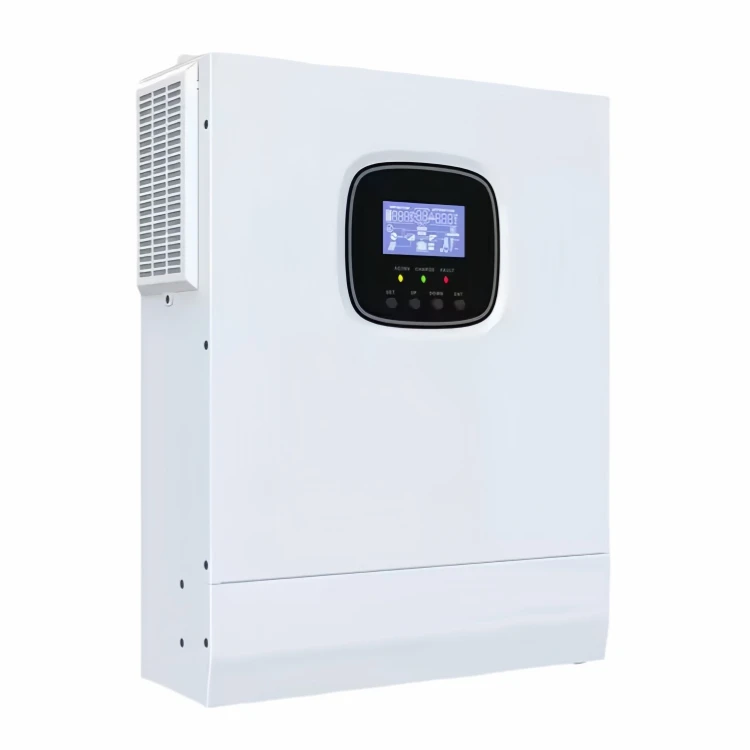
First off, what exactly is a solar inverter? Well, it's a key component in a solar power system. Its main job is to convert the direct current (DC) electricity generated by solar panels into alternating current (AC) electricity, which is what most of our household appliances and the electrical grid use. Without a solar inverter, the electricity produced by solar panels would be pretty much useless for everyday use.
Now, onto the payback period. The payback period of a solar inverter refers to the time it takes for the savings on electricity bills, or the income from selling excess electricity back to the grid, to cover the initial cost of purchasing and installing the inverter. It's like getting your money back for the investment you made in the inverter.
There are several factors that can affect the payback period of a solar inverter. One of the most significant factors is the cost of the inverter itself. Solar inverters come in different sizes, types, and qualities, and their prices can vary widely. For example, a High Quality Solar Inverter 3Kw OFF Grid Hybrid Solar might have a different price tag compared to a Deye 5KW 8KW 220VAC Hybrid Solar Inverter or a Hybrid Solar 5Kw 24Series Storage Inverter. Generally, more powerful and advanced inverters tend to cost more upfront, but they may also offer better efficiency and performance in the long run.
Another important factor is the amount of sunlight your location receives. The more sunlight your solar panels can capture, the more electricity they can generate. And the more electricity your system produces, the more savings or income you can expect. Areas with a lot of sunny days throughout the year will typically have a shorter payback period compared to regions with less sunlight.
The efficiency of the solar inverter also plays a role. A more efficient inverter can convert a higher percentage of the DC electricity from the solar panels into usable AC electricity. This means you'll get more electricity out of the same amount of sunlight, which can lead to greater savings and a shorter payback period.
Let's take a look at an example to better understand how the payback period works. Suppose you purchase a solar inverter for $2,000 and install it in your home. After installation, your solar power system starts generating electricity, and you start saving on your electricity bills. Let's say you save an average of $200 per month on your electricity costs. To calculate the payback period, you simply divide the initial cost of the inverter by the monthly savings. In this case, $2,000 divided by $200 per month gives you a payback period of 10 months.
However, in the real world, things are often a bit more complicated. There may be additional costs involved, such as installation fees, maintenance costs, and any upfront incentives or rebates you might receive. Also, the amount of savings can vary from month to month depending on factors like the season, your electricity usage, and the performance of the solar power system.
In some cases, you may also be able to sell excess electricity back to the grid. This is known as net metering. When your solar power system generates more electricity than you need, the excess electricity is sent back to the grid, and you receive credit for it on your electricity bill. This can significantly reduce your overall electricity costs and shorten the payback period.
To estimate the payback period of a solar inverter more accurately, you can use online calculators or consult with a solar energy professional. They can take into account all the relevant factors, such as your location, electricity usage, the size and type of the inverter, and any available incentives, to give you a more precise estimate.
It's also important to note that the payback period is not the only thing to consider when choosing a solar inverter. You should also look at the reliability, durability, and warranty of the inverter. A high-quality inverter with a long warranty can give you peace of mind and save you money on potential repairs or replacements in the future.
As a solar inverter supplier, I'm always here to help you find the right inverter for your needs. Whether you're looking for a small off-grid inverter for a remote cabin or a large hybrid inverter for your home or business, I can provide you with expert advice and the best products on the market.
If you're interested in learning more about solar inverters or getting a quote for a specific product, don't hesitate to reach out. We can discuss your requirements, answer any questions you may have, and start the process of getting you set up with a solar power system that will save you money and help protect the environment.

In conclusion, the payback period of a solar inverter is an important consideration when investing in solar energy. By understanding the factors that affect the payback period and making an informed decision about the type and size of the inverter, you can maximize your savings and get the most out of your solar power system. So, if you're ready to take the plunge into solar energy, let's have a chat and see how we can make it happen for you.
References
- Various industry reports on solar energy and inverter technology
- Personal experience and knowledge as a solar inverter supplier