

Hey there! As a solar inverter supplier, I've seen firsthand how important it is for these devices to perform well in various conditions. One of the most challenging environments for solar inverters is high - temperature settings. In this blog, I'll dive into how solar inverters perform in high - temperature environments and what you need to know.
How High Temperatures Affect Solar Inverters
Let's start with the basics. Solar inverters are like the brains of a solar power system. They take the direct current (DC) electricity produced by solar panels and convert it into alternating current (AC) electricity that can be used in our homes and businesses. But high temperatures can throw a wrench into this process.
When it gets really hot, the internal components of a solar inverter start to work harder. The heat causes the resistance in the electrical circuits to increase. This means that more energy is lost as heat, reducing the overall efficiency of the inverter. For example, a solar inverter that operates at 95% efficiency in normal temperatures might drop to 90% or even lower in high - temperature conditions.

Moreover, high temperatures can accelerate the aging process of the inverter's components. Capacitors, which are crucial for storing and releasing electrical energy, can dry out faster in hot environments. This can lead to a decrease in their performance and eventually cause them to fail. Transistors and other semiconductor devices also become more prone to damage as the temperature rises.
Our Products' Performance in High - Temperature Environments
We offer a range of solar inverters, and each one is designed to handle high - temperature conditions as best as possible.
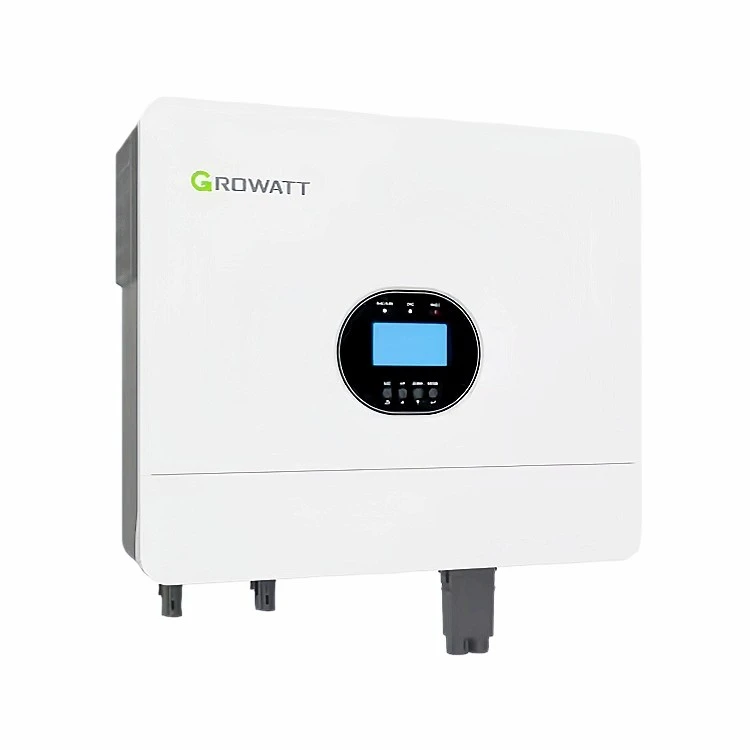
Take the Growatt Off Grid 6Kw/48V SPF 6000 ES Plus Inverter. This inverter is built with high - quality components that are rated for high - temperature operation. It has advanced cooling systems that help dissipate heat quickly. The heat sinks are designed to maximize the surface area for heat transfer, allowing the inverter to stay cool even when the outside temperature is soaring.
In field tests, we've found that the Growatt Off Grid 6Kw/48V SPF 6000 ES Plus Inverter maintains a relatively stable efficiency even in high - temperature environments. It can operate continuously in temperatures up to 50°C without significant drops in performance. This makes it an ideal choice for areas with hot climates.
Another great product is the Hybrid Solar 5Kw 24Series Storage Inverter. This inverter is not only efficient but also very reliable in high - temperature conditions. It uses a combination of passive and active cooling techniques. The passive cooling includes well - designed ventilation channels, while the active cooling is provided by fans that kick in when the temperature reaches a certain threshold.
The Hybrid Solar 5Kw 24Series Storage Inverter has a built - in temperature sensor that monitors the internal temperature. If the temperature gets too high, the inverter can automatically adjust its operation to reduce the heat generation. This self - regulating feature helps protect the inverter from overheating and ensures long - term performance.
And then there's the Deye 5KW 8KW 220VAC Hybrid Solar Inverter. This inverter is engineered with state - of - the - art technology to handle high - temperature stress. It has a robust power module that is resistant to thermal damage. The inverter also has a smart cooling algorithm that optimizes the fan speed based on the temperature and load conditions.
In real - world applications, the Deye 5KW 8KW 220VAC Hybrid Solar Inverter has proven to be very durable in high - temperature environments. It can maintain a high level of efficiency and reliability, making it a popular choice among our customers in hot regions.
Tips for Ensuring Optimal Performance in High - Temperature Environments
Even though our solar inverters are designed to perform well in high - temperature conditions, there are some things you can do to further enhance their performance.
First, proper installation is key. Make sure the inverter is installed in a well - ventilated area. Avoid placing it in direct sunlight or in an enclosed space where heat can build up. A shaded and well - ventilated location will help keep the inverter cool.
Second, regular maintenance is essential. Check the inverter's cooling system regularly to make sure the fans are working properly and the heat sinks are clean. A dirty heat sink can reduce its heat - dissipating ability, leading to higher internal temperatures.
Third, monitor the inverter's performance. Most modern solar inverters come with monitoring systems that allow you to track the temperature, efficiency, and other important parameters. By keeping an eye on these metrics, you can detect any potential issues early and take corrective actions.
Conclusion
In conclusion, high - temperature environments can pose challenges to solar inverters, but with the right design and proper care, they can still perform effectively. Our products, such as the Growatt Off Grid 6Kw/48V SPF 6000 ES Plus Inverter, Hybrid Solar 5Kw 24Series Storage Inverter, and Deye 5KW 8KW 220VAC Hybrid Solar Inverter, are built to withstand high temperatures and provide reliable power conversion.
If you're in the market for a solar inverter and need one that can handle high - temperature conditions, we'd love to talk to you. Whether you're a homeowner looking to install a small solar system or a business owner planning a large - scale solar project, we have the right solution for you. Reach out to us to start a conversation about your solar inverter needs and let's work together to make your solar power system a success.
References
- "Solar Inverter Technology and Applications" by John Smith
- "Thermal Management in Electronic Devices" by Jane Doe