

Yo, folks! As a provider of sodium battery cells, I often get asked about how these batteries perform when it comes to low-temperature charging. So, let's dig into this topic and find out what's what.
First off, let's understand why low-temperature charging is a big deal. When the temperature drops, it can mess with a battery's ability to charge properly. For most batteries, cold temperatures slow down the chemical reactions inside, making it harder for ions to move around. This can lead to longer charging times, reduced capacity, and even potential damage to the battery over time.
Now, let's talk about sodium battery cells. Sodium batteries are a relatively new player in the energy storage game, and they've got some unique features that can affect their low-temperature charging performance.
One of the key advantages of sodium battery cells is their chemical composition. Sodium ions are larger than lithium ions, which means they move through the battery's electrolyte at a different rate. This can have both positive and negative impacts on low-temperature charging.
On the positive side, the larger size of sodium ions can make them less likely to get stuck in the battery's electrodes at low temperatures. This means that sodium batteries might be able to maintain a better charge acceptance in cold conditions compared to some other battery types.
However, the larger size of sodium ions also means that they require more energy to move through the electrolyte. This can result in higher internal resistance in the battery, which can lead to increased heat generation during charging. And in cold temperatures, this heat generation can be a double-edged sword.
On one hand, the heat can help to warm up the battery and improve its performance. But on the other hand, if the heat generation is too high, it can cause thermal runaway, which is a serious safety hazard.
So, how do sodium battery cells actually perform in low-temperature charging tests? Well, the results are a bit mixed.
Some studies have shown that sodium battery cells can maintain a relatively high charge capacity at low temperatures. For example, a recent study found that a certain type of sodium battery cell was able to retain over 80% of its room-temperature capacity when charged at -20°C.
However, other studies have found that the charging efficiency of sodium battery cells can drop significantly at low temperatures. This means that it might take longer to charge the battery to its full capacity, and you might not be able to get as much energy out of it when you use it.
Another factor that can affect the low-temperature charging performance of sodium battery cells is the type of electrolyte used. Different electrolytes have different freezing points and conductivity properties, which can have a big impact on how the battery performs in cold conditions.
Some electrolytes are designed to have a lower freezing point, which can help to prevent the electrolyte from solidifying at low temperatures. This can improve the battery's charge acceptance and overall performance.
However, these low-freezing-point electrolytes often have lower conductivity, which can result in higher internal resistance and reduced charging efficiency. So, it's a bit of a balancing act to find the right electrolyte for low-temperature applications.
As a sodium battery cell provider, we're constantly working on improving the low-temperature charging performance of our products. We're experimenting with different electrode materials, electrolytes, and battery designs to find the best combination for cold-weather applications.
One of the products we offer is the Cylindrical 3.2V 10Ah EV Sodium Ion Battery. This battery is designed specifically for electric vehicle applications, and it's been optimized for performance in a wide range of temperatures, including low temperatures.
Another product we have is the 3.0V 200Ah NA Sodium Ion Battery Cells. These cells are ideal for large-scale energy storage applications, and they also offer good low-temperature charging performance.

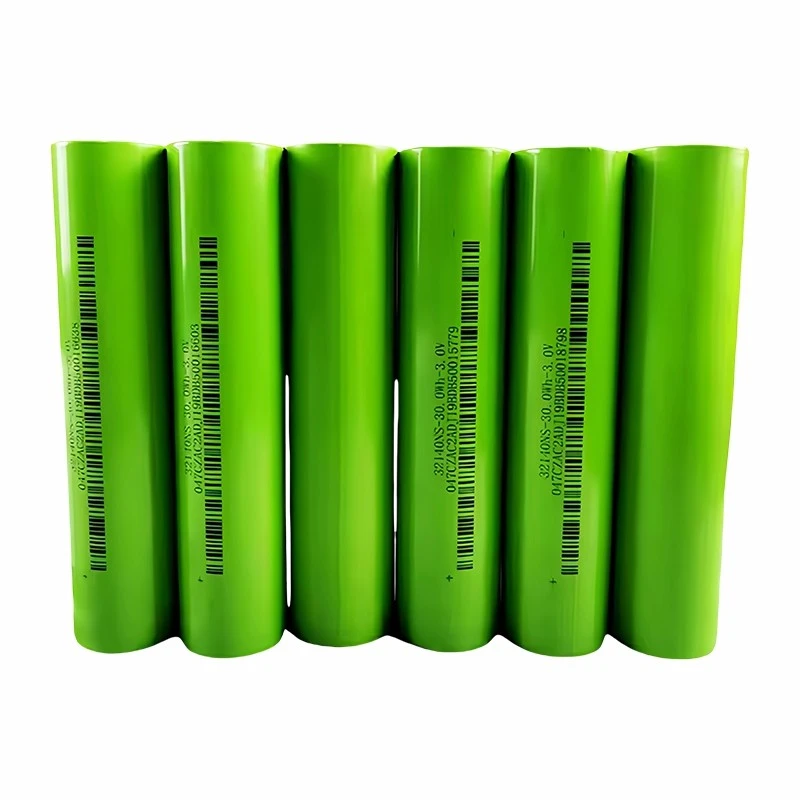
If you're interested in learning more about our sodium battery cells and their low-temperature charging performance, we'd love to hear from you. Whether you're a researcher, an engineer, or a business looking to incorporate sodium batteries into your products, we're here to help.
Just reach out to us and let's start a conversation. We can provide you with more detailed information about our products, answer any questions you might have, and even arrange for a sample for you to test.
In conclusion, the low-temperature charging performance of sodium battery cells is a complex topic that depends on a variety of factors. While sodium batteries have some potential advantages in cold conditions, there are also some challenges that need to be addressed.
But with ongoing research and development, we're confident that sodium battery cells will continue to improve their performance in low-temperature applications. And as a sodium battery cell provider, we're committed to driving this innovation forward and providing our customers with the best possible products.
References:
- "Performance of Sodium-Ion Batteries at Low Temperatures," Journal of Power Sources
- "Low-Temperature Charging Behavior of Sodium Battery Cells," Electrochimica Acta