

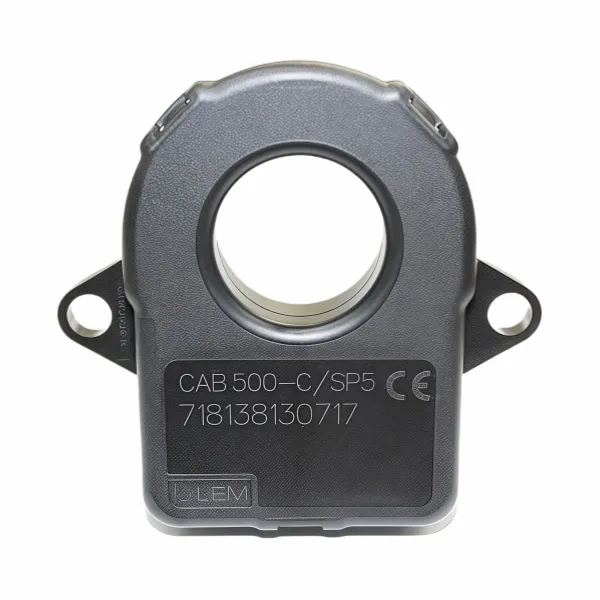
As a supplier of current sensors, I've encountered numerous compatibility issues between current sensors and other components in various projects. Understanding these issues is crucial for ensuring the proper functioning of electrical systems and maximizing the performance of all connected devices. In this blog post, I'll delve into the common compatibility problems, their causes, and potential solutions, while also highlighting the features of our high - quality current sensors, such as the LEM CAB500C 12V CAB500 Current Sensor.
Electrical Compatibility
One of the most fundamental aspects of compatibility is electrical compatibility. Current sensors are designed to measure the flow of electric current in a circuit. However, they need to be properly matched with the electrical characteristics of other components in the system.
Voltage Compatibility
The operating voltage of a current sensor must be compatible with the voltage levels in the circuit. If the voltage applied to the current sensor exceeds its rated voltage, it can lead to permanent damage. For example, if a current sensor is rated for a maximum of 24V and is connected to a 48V circuit, the internal components of the sensor may overheat and fail.
On the other hand, if the voltage is too low, the sensor may not function correctly. Some current sensors require a minimum operating voltage to power their internal electronics and accurately measure the current. For instance, a sensor designed to operate at 12V may not provide accurate readings if it is powered by a 5V source.
Current Rating Compatibility
The current rating of the current sensor must be appropriate for the range of currents in the circuit. If the sensor has a lower current rating than the maximum current flowing through the circuit, it can saturate. Saturation occurs when the sensor reaches its maximum measurement capacity and can no longer accurately measure the current. This can lead to inaccurate readings and potentially cause problems in the overall system.
Conversely, if the current rating of the sensor is much higher than the actual current in the circuit, the sensor may not be sensitive enough to detect small changes in current. For example, a current sensor rated for 1000A may not be able to accurately measure a current of 1A.
Signal Compatibility
Current sensors typically output a signal that represents the measured current. This signal needs to be compatible with the input requirements of other components, such as data acquisition systems, controllers, or displays.
Signal Type Compatibility
There are different types of signals that current sensors can output, such as analog and digital signals. Analog signals are continuous and vary in voltage or current proportional to the measured current. Digital signals, on the other hand, are discrete and represent the current value in a digital format.
If a current sensor outputs an analog signal and is connected to a component that only accepts digital signals, an analog - to - digital converter (ADC) is required. Similarly, if a digital - output sensor is connected to an analog - input device, a digital - to - analog converter (DAC) may be needed.

Signal Range Compatibility
The range of the output signal from the current sensor must match the input range of the receiving component. For example, if a current sensor outputs a 0 - 5V analog signal and the connected data acquisition system has an input range of 0 - 10V, the full range of the sensor's output will not be utilized, leading to reduced measurement accuracy.
Physical Compatibility
Physical compatibility is also an important consideration when integrating a current sensor with other components.
Mounting Compatibility
The current sensor needs to be physically mounted in the system in a way that is compatible with the available space and the mounting requirements of other components. Some current sensors are designed for panel - mounting, while others are suitable for PCB - mounting. If the mounting method of the sensor does not match the available mounting options in the system, it can be difficult or impossible to install the sensor properly.
Size Compatibility
The size of the current sensor must be compatible with the overall size of the system. In some applications, space is limited, and a large - sized current sensor may not fit. Additionally, the size of the sensor can affect its thermal performance. A large sensor may dissipate heat more effectively, but it may also require more space.
Thermal Compatibility
Current sensors generate heat during operation, and this heat needs to be dissipated properly to ensure their long - term reliability. Thermal compatibility issues can arise when the current sensor is integrated with other heat - generating components.
Heat Dissipation
If the current sensor is placed too close to other heat - generating components, such as power transistors or resistors, the accumulated heat can cause the temperature of the sensor to rise above its rated operating temperature. High temperatures can affect the accuracy of the sensor and reduce its lifespan.
To address this issue, proper heat - dissipation techniques, such as using heat sinks or fans, may be required. Additionally, the layout of the components in the system should be designed to allow for adequate air circulation to dissipate the heat.
Temperature Coefficient Compatibility
The temperature coefficient of the current sensor refers to how its performance changes with temperature. Different components in the system may have different temperature coefficients. If the temperature coefficients of the current sensor and other components are not compatible, the overall performance of the system can be affected. For example, if a current sensor has a high positive temperature coefficient and is connected to a component with a negative temperature coefficient, the combined performance of the two components may vary significantly with temperature changes.
Solutions to Compatibility Issues
To overcome the compatibility issues between current sensors and other components, the following steps can be taken:
Thorough System Analysis
Before selecting a current sensor, a detailed analysis of the electrical, signal, physical, and thermal requirements of the system should be conducted. This includes determining the voltage and current ratings, the type and range of signals required, the available space for mounting, and the expected temperature conditions.
Component Selection
Based on the system analysis, the appropriate current sensor should be selected. Consider factors such as the sensor's voltage and current ratings, signal type and range, mounting options, and temperature characteristics. Choose a sensor that is specifically designed to be compatible with the other components in the system.
Use of Interface Components
If there are signal compatibility issues, interface components such as ADCs, DACs, or signal amplifiers can be used to convert and condition the signals. These components can help bridge the gap between the output of the current sensor and the input requirements of other components.
Proper System Design
The layout and design of the system should be carefully planned to ensure physical and thermal compatibility. Provide adequate space for the current sensor and other components, and design the system to allow for proper heat dissipation.
Conclusion
Compatibility issues between current sensors and other components can have a significant impact on the performance and reliability of electrical systems. As a current sensor supplier, we understand the importance of addressing these issues to ensure the success of our customers' projects. Our products, like the LEM CAB500C 12V CAB500 Current Sensor, are designed with high - quality materials and advanced technology to minimize compatibility problems.
If you are facing compatibility issues or are in the process of selecting a current sensor for your project, we are here to help. Our team of experts can provide you with technical support and guidance to ensure that you choose the right current sensor and integrate it seamlessly with your other components. Contact us today to start a discussion about your specific requirements and explore the best solutions for your application.
References
- Dorf, R. C., & Bishop, R. H. (2016). Modern Control Systems. Pearson.
- Horowitz, P., & Hill, W. (2015). The Art of Electronics. Cambridge University Press.