

Hey there! As a supplier of 72V 100Ah marine batteries, I often get asked about the internal temperature range of these batteries during operation. It's a crucial topic because the temperature can significantly impact the performance, lifespan, and safety of the battery. So, let's dive right in and explore this in detail.
Why Temperature Matters
First off, you might be wondering why the internal temperature of a 72V 100Ah marine battery is such a big deal. Well, batteries are like humans in a way - they have an optimal "comfort zone" where they perform at their best. When the temperature is too high or too low, it can cause all sorts of problems.
High temperatures can speed up the chemical reactions inside the battery, which might sound good at first. But in the long run, it can lead to faster degradation of the battery's components. The electrolyte can break down, and the electrodes can corrode more quickly. This means the battery will lose its capacity faster and might not last as long as it should.
On the other hand, low temperatures slow down those chemical reactions. This can reduce the battery's ability to deliver power efficiently. You might notice that your boat's electrical systems don't work as well when it's cold outside, and that's often because the battery isn't performing at its peak due to the low temperature.

The Ideal Internal Temperature Range
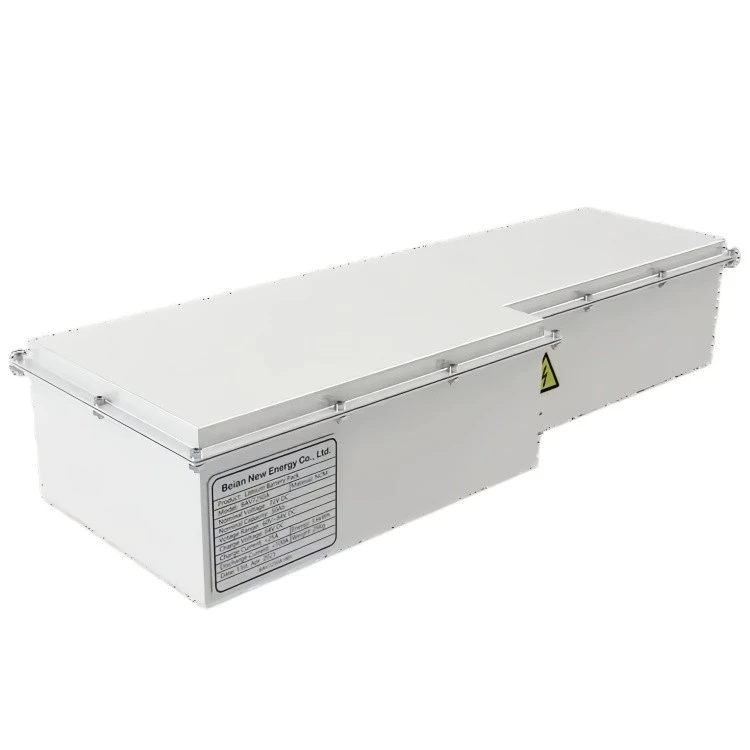
So, what's the sweet spot for a 72V 100Ah marine battery? Generally, the ideal internal temperature range for most lithium-ion batteries (which are commonly used in marine applications) is between 20°C and 40°C (68°F - 104°F).
Within this range, the battery can operate efficiently, and the chemical reactions inside it happen at a pace that's just right. The battery can charge and discharge smoothly, and its overall lifespan is maximized.
However, it's important to note that different battery chemistries might have slightly different optimal temperature ranges. For example, lead-acid batteries tend to have a wider operating temperature range but are also more sensitive to extreme temperatures.
Factors Affecting the Internal Temperature
There are several factors that can affect the internal temperature of a 72V 100Ah marine battery during operation.
Charging and Discharging Rates
When you charge or discharge a battery quickly, it generates more heat. Think of it like running a marathon - if you sprint, you'll get hotter than if you jog at a steady pace. So, if you're using a high - power charger or drawing a large amount of current from the battery, the internal temperature will rise.
Ambient Temperature
The temperature of the environment where the battery is located plays a big role. If it's a hot day and the battery is sitting in direct sunlight, it's going to absorb that heat. Similarly, in cold weather, the battery will lose heat to the surroundings.
Battery Design and Ventilation
The design of the battery itself can impact its temperature. Batteries with better ventilation can dissipate heat more effectively. Some marine batteries are designed with cooling channels or fins to help with heat dissipation.
Monitoring and Controlling the Temperature
As a battery supplier, I always recommend monitoring the internal temperature of your 72V 100Ah marine battery. There are temperature sensors available that can be installed inside the battery or in the battery compartment. These sensors can give you real - time information about the temperature, so you can take action if it gets too high or too low.
If the temperature is too high, you can try reducing the charging or discharging rate. You might also want to move the battery to a cooler location or improve the ventilation around it.
On the other hand, if it's too cold, you can use a battery heater. Some marine batteries come with built - in heaters, or you can buy external ones.
Other Related Products
We also offer other great marine batteries, like the 24V 90Ah LiFePO4 Battery with RS485 and the 25.6V 210Ah Lithium Battery Pack for Electric Boats. These batteries also have their own optimal temperature ranges, but the general principles of temperature management apply.
Conclusion
In conclusion, understanding the internal temperature range of a 72V 100Ah marine battery is essential for getting the most out of your battery. By keeping the temperature within the ideal range, you can ensure better performance, a longer lifespan, and a safer boating experience.
If you're in the market for a high - quality 72V 100Ah marine battery, check out our 72V 100Ah Marine Battery. We're here to help you with all your battery needs. If you have any questions or want to discuss your specific requirements, don't hesitate to reach out. We'd love to have a chat and see how we can work together to get you the perfect battery for your boat.
References
- Battery University. "Understanding Lithium - Ion Battery Temperature."
- Marine Electrical Systems Handbook.