

Hey there! As a supplier of LiFePO4 battery cells, I've seen firsthand how these little powerhouses can make a huge difference in various applications, from solar energy storage to electric vehicles. But one question I get asked a lot is, "How can I increase the lifespan of my LiFePO4 battery cells?" Well, you're in luck because I'm going to share some tips and tricks that can help you get the most out of your batteries.
Understanding LiFePO4 Battery Cells
Before we dive into the tips, let's quickly go over what LiFePO4 battery cells are. LiFePO4, or lithium iron phosphate, is a type of rechargeable lithium-ion battery. It's known for its high energy density, long cycle life, and excellent thermal stability. These batteries are a popular choice for many applications because they're relatively safe and reliable compared to other lithium-ion chemistries.

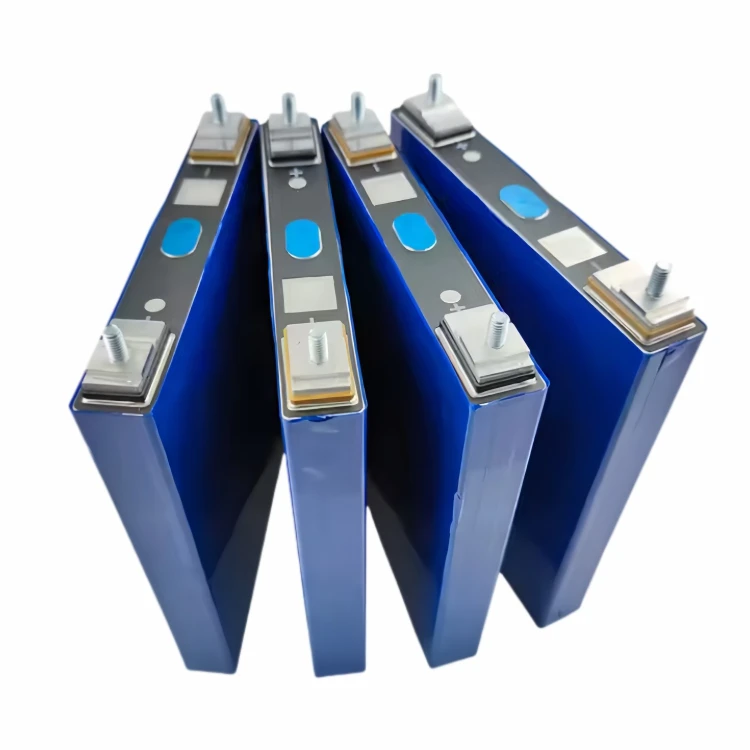
1. Charge and Discharge within the Recommended Range
One of the most important things you can do to increase the lifespan of your LiFePO4 battery cells is to charge and discharge them within the recommended voltage range. For LiFePO4 batteries, the typical charge voltage is around 3.65V per cell, and the discharge cut-off voltage is around 2.5V per cell.
Overcharging or over-discharging your batteries can cause irreversible damage to the battery cells. When you overcharge a LiFePO4 battery, it can lead to the formation of lithium metal on the electrodes, which can cause short circuits and reduce the battery's capacity over time. On the other hand, over-discharging can cause the battery to lose its ability to hold a charge.
To ensure you're charging and discharging within the recommended range, you can use a battery management system (BMS). A BMS is a device that monitors the voltage, current, and temperature of your battery cells and prevents overcharging and over-discharging. Many of our 10000 Cycles 3.2V 314Ah for Solar Energy Storage Lithium Battery come with a built-in BMS to help protect your batteries.
2. Control the Charging and Discharging Current
In addition to charging and discharging within the recommended voltage range, you also need to control the charging and discharging current. Charging or discharging your batteries too quickly can generate a lot of heat, which can damage the battery cells.
The recommended charging current for LiFePO4 batteries is usually around 0.5C to 1C, where C is the battery's capacity. For example, if you have a 100Ah battery, a 0.5C charging current would be 50A, and a 1C charging current would be 100A. Discharging currents should also be kept within a reasonable range to avoid overheating the batteries.
Using a charger that's designed for LiFePO4 batteries can help you control the charging current. Our chargers are specifically designed to provide a safe and efficient charging current for our LiFePO4 battery cells.
3. Keep the Batteries at the Right Temperature
Temperature also plays a crucial role in the lifespan of LiFePO4 battery cells. LiFePO4 batteries perform best at temperatures between 20°C and 40°C (68°F and 104°F).
When the temperature is too low, the battery's internal resistance increases, which can reduce the battery's capacity and make it harder to charge and discharge. On the other hand, when the temperature is too high, it can accelerate the chemical reactions inside the battery, which can lead to faster degradation of the battery cells.
To keep your batteries at the right temperature, you can use a thermal management system. This could be as simple as keeping your batteries in a well-ventilated area or using a cooling system if you're using the batteries in a high-temperature environment.
4. Avoid High Humidity and Corrosive Environments
LiFePO4 battery cells are sensitive to high humidity and corrosive environments. Moisture can cause corrosion on the battery terminals and connectors, which can increase the resistance and reduce the battery's performance. Corrosive substances can also damage the battery cells and shorten their lifespan.
To protect your batteries from humidity and corrosion, you should store and use them in a dry and clean environment. If you're using the batteries outdoors, make sure they're properly sealed and protected from the elements.
5. Regularly Monitor and Maintain Your Batteries
Regular monitoring and maintenance are essential for ensuring the long-term health of your LiFePO4 battery cells. You should regularly check the battery's voltage, temperature, and capacity to make sure everything is working properly.
If you notice any signs of damage or abnormal behavior, such as a significant drop in capacity or an increase in temperature during charging or discharging, you should take action immediately. This could involve replacing a damaged battery cell or adjusting your charging and discharging practices.
6. Use High-Quality Battery Cells and Components
The quality of the battery cells and components you use can also have a big impact on the lifespan of your LiFePO4 batteries. Using high-quality battery cells from a reputable supplier like us can ensure that you're getting a reliable and long-lasting product.
We offer a wide range of high-quality LiFePO4 battery cells, such as our Prismatic 3.2V/27Ah LiFePO4 Battery Cell and Prismatic 3.2V 105Ah LiFePO4 Battery Cell. These battery cells are carefully manufactured and tested to meet the highest quality standards.
Conclusion
Increasing the lifespan of your LiFePO4 battery cells requires a combination of proper charging and discharging practices, temperature control, and regular maintenance. By following the tips I've outlined in this blog post, you can significantly extend the life of your batteries and get the most out of your investment.
If you're interested in purchasing high-quality LiFePO4 battery cells for your application, feel free to reach out to us. We're here to help you find the right battery solution for your needs and provide you with the support you need to ensure your batteries last as long as possible.
References
- "Lithium-Ion Batteries: Science and Technologies" by Y. Wang and J. Zhang
- "Battery Management Systems for Large Lithium-Ion Battery Packs" by M. Ehsani and K. Rajashekara