

As a supplier of marine batteries, I often get asked whether these batteries can be used for other applications. It's a valid question, and the answer isn't always straightforward. In this blog post, I'll explore the possibilities and limitations of using marine batteries in non - marine settings.
Understanding Marine Batteries
Marine batteries are specifically designed to meet the unique demands of marine environments. They need to withstand constant vibration, shock, and exposure to moisture, saltwater, and varying temperatures. There are mainly three types of marine batteries: starting batteries, deep - cycle batteries, and dual - purpose batteries.

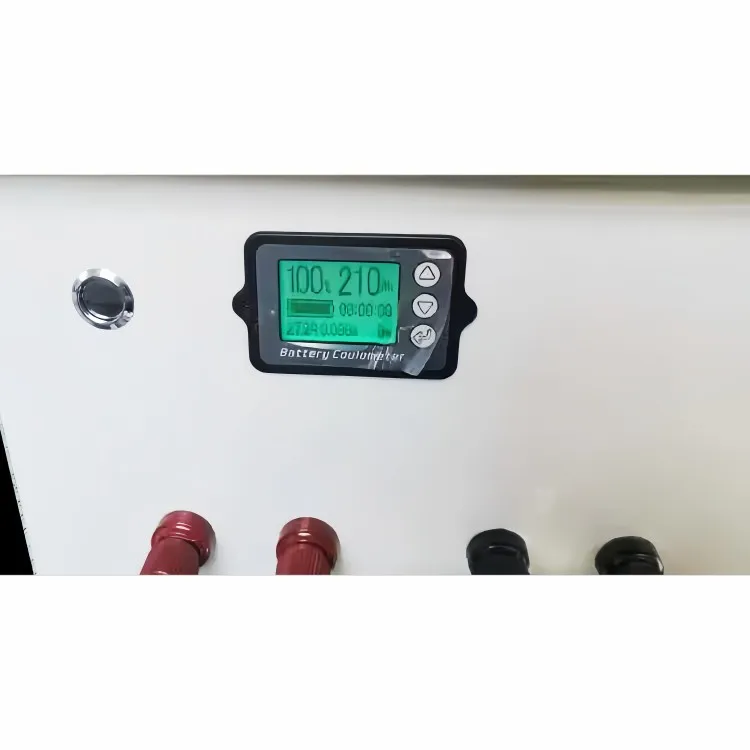
Starting batteries are built to deliver a large burst of power for a short period to start the boat's engine. They have a large number of thin plates to maximize surface area and thus the amount of current they can deliver quickly. Deep - cycle batteries, on the other hand, are designed to provide a steady amount of power over a long period. They have thicker plates that can withstand repeated deep discharges and recharges. Dual - purpose batteries combine the features of both starting and deep - cycle batteries, offering a balance between high - current starting ability and long - term power delivery.
Potential Non - Marine Applications
RVs and Campers
Recreational vehicles (RVs) and campers have power requirements similar to boats in some ways. They need to power various appliances such as lights, refrigerators, fans, and charging ports. A deep - cycle marine battery can be an excellent choice for these applications. The battery's ability to handle repeated discharges and recharges makes it suitable for the off - grid nature of RV travel. For example, if you're on a long camping trip without access to shore power, a 25.6V 210Ah Lithium Battery Pack for Electric Boats can provide a reliable source of power for your RV's electrical systems. Its high capacity and long - lasting performance can keep your appliances running smoothly throughout your trip.
Solar Power Systems
Solar power systems rely on batteries to store the energy generated by solar panels for use when the sun isn't shining. Marine deep - cycle batteries can be used in small to medium - sized solar installations. The battery's ability to accept a slow charge from the solar panels and then discharge power steadily is beneficial. For instance, a 24V 90Ah LiFePO4 Battery with RS485 can be integrated into a solar power system. The RS485 communication interface allows for better monitoring and control of the battery's charging and discharging processes, ensuring optimal performance in a solar setup.
Backup Power for Homes
In areas prone to power outages, having a backup power system is crucial. Marine batteries can be used to create a simple backup power solution for essential home appliances. A 72V 100Ah Marine Battery can store enough energy to power a few lights, a refrigerator, and a small fan for several hours during an outage. This can provide peace of mind and ensure that your basic needs are met until the power is restored.
Limitations and Considerations
Environmental Conditions
While marine batteries are designed to withstand harsh marine environments, non - marine applications may expose them to different environmental conditions. For example, in an RV or camper, the battery may be subject to extreme heat or cold, which can affect its performance and lifespan. High temperatures can accelerate the battery's self - discharge rate and reduce its overall capacity, while low temperatures can decrease its ability to deliver power. It's essential to ensure proper ventilation and insulation to protect the battery from these temperature extremes.
Charging Requirements
Marine batteries have specific charging requirements. They often need a charger that can provide a multi - stage charging process to ensure a full and safe charge. Using an incompatible charger can lead to under - charging or over - charging, which can damage the battery. In non - marine applications, it may be necessary to invest in a suitable charger that meets the battery's specifications. For example, lithium - ion marine batteries require a charger that can control the charging voltage and current precisely to prevent over - charging and thermal runaway.
Battery Sizing
Choosing the right battery size for non - marine applications is crucial. An undersized battery may not be able to meet the power demands, while an oversized battery can be costly and may not be fully utilized. It's important to calculate the power requirements of the appliances or systems you want to power and then select a battery with an appropriate capacity. This involves considering factors such as the power consumption of each appliance, the duration of use, and the frequency of charging.
Making the Right Choice
When considering using a marine battery for non - marine applications, it's important to evaluate your specific needs and requirements. Here are some steps to help you make the right choice:
- Assess Your Power Needs: Make a list of all the appliances or systems you want to power and determine their power consumption. Calculate the total power requirements and the duration of use to estimate the battery capacity you need.
- Research Battery Types: Understand the different types of marine batteries available and their features. Consider factors such as capacity, discharge rate, cycle life, and maintenance requirements.
- Choose the Right Battery Size: Based on your power needs and the battery type, select a battery with an appropriate capacity. It's better to choose a slightly larger battery than you think you need to account for any future expansion or unexpected power demands.
- Invest in a Suitable Charger: Ensure that you have a charger that is compatible with the battery's type and specifications. A good charger can help extend the battery's lifespan and ensure optimal performance.
Contact for Purchase and Consultation
If you're interested in using marine batteries for non - marine applications or have any questions about our products, we're here to help. Our team of experts can provide you with detailed information and guidance on choosing the right battery for your specific needs. Whether you're looking for a battery for your RV, solar power system, or backup power solution, we have a wide range of high - quality marine batteries to meet your requirements. Feel free to reach out to us to start a discussion about your purchase and find the best battery solution for you.
References
- Battery University: A comprehensive resource for battery technology and information.
- Marine Battery Manufacturers' Technical Documents: These documents provide detailed information about the features, specifications, and usage guidelines of marine batteries.