

Hey there! As a supplier of residential energy storage systems (ESS), I often get asked whether a residential ESS can be expanded in the future. Well, the short answer is yes, in most cases, it can. But there are a bunch of factors to consider, and I'm gonna break it all down for you in this blog.
Let's start with why you might want to expand your residential ESS in the first place. One of the most common reasons is an increase in your energy consumption. Maybe you've added new appliances, like a big - screen TV, an electric vehicle charger, or you've installed a home office with all the necessary tech. As your energy needs grow, your existing ESS might not be able to keep up. Expanding it can ensure that you have enough stored energy to power your home during peak usage times or when the grid goes down.
Another reason could be taking advantage of better technology. The energy storage industry is evolving at a breakneck speed. Newer ESS models often come with improved efficiency, longer lifespans, and more advanced features. By expanding your system, you can incorporate these newer, better components into your existing setup.
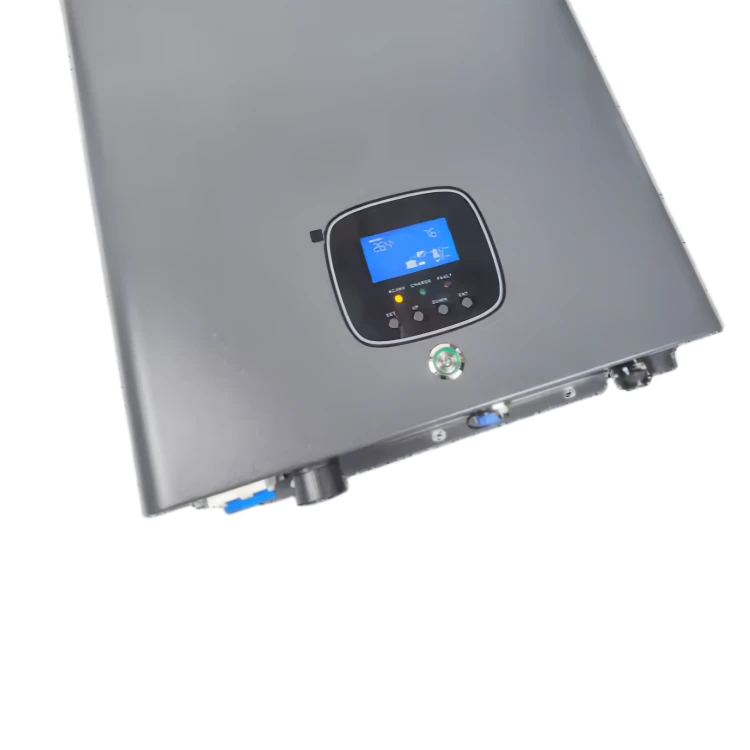
Now, let's talk about the types of residential ESS that are more likely to be expandable. Battery - based ESS are the most common in residential settings, and many of them are designed with expandability in mind. For example, our Household LiFePO4 51.2V 200Ah Energy Storage Battery is a great option. Lithium - iron - phosphate (LiFePO4) batteries are known for their long cycle life, high safety, and relatively easy scalability. You can add more of these batteries to your existing system to increase its storage capacity.
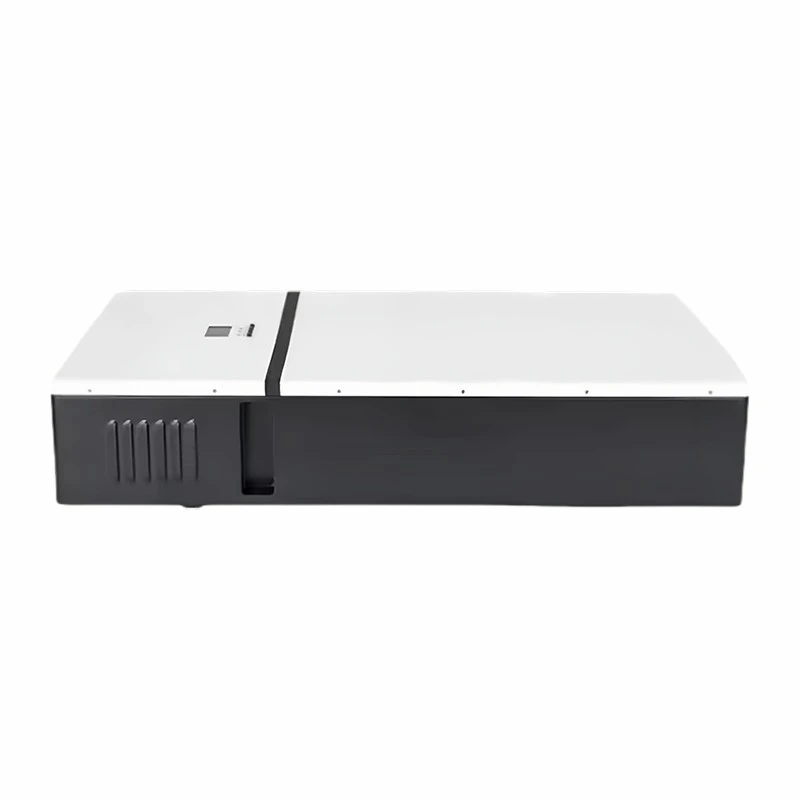
Our All - in - One Integrated 2.6kWh Energy Storage System is also expandable. These all - in - one systems are designed to be modular, which means you can simply stack on additional units as your energy needs grow. They're a convenient option because they come pre - assembled with everything you need, and expanding them is often as straightforward as connecting the new unit to the existing one.
The Household LiFePO4 51.2V with Various Specifications Energy Storage System offers even more flexibility. With different specifications available, you can choose the right combination of batteries and components to expand your system according to your specific requirements.
However, expanding a residential ESS isn't always a walk in the park. There are some challenges you need to be aware of. First off, compatibility is a major issue. When you're adding new components to your existing system, they need to be compatible with the old ones in terms of voltage, capacity, and communication protocols. If they're not, it could lead to inefficiencies, system failures, or even safety hazards.
Cost is another factor. Expanding an ESS can be expensive. You'll need to pay for the new components, installation, and potentially some upgrades to your existing system. It's important to do a cost - benefit analysis before deciding to expand. Consider how much additional energy you'll get, how long it will take to recoup the investment, and whether it's worth it in the long run.
Space is also a consideration. Residential spaces are often limited, and adding more batteries or components to your ESS will take up more room. You need to make sure you have enough space to safely install and store the new equipment.
When it comes to the expansion process, it's crucial to work with a professional. A qualified installer can assess your existing system, recommend the right components for expansion, and ensure that everything is installed correctly. They'll also be able to handle any electrical work safely and make sure that your expanded ESS complies with local regulations.
Before you start the expansion, you should also check with your utility company. Some utilities have specific rules and regulations regarding residential ESS expansion. They might require you to get approval, install additional metering equipment, or follow certain safety standards.
In conclusion, a residential ESS can usually be expanded in the future, but it's not a decision to be taken lightly. You need to consider your energy needs, the type of system you have, compatibility, cost, space, and regulatory requirements. If you're thinking about expanding your ESS, we're here to help. As a residential ESS supplier, we have the expertise and the products to make the expansion process as smooth as possible. Whether you need help choosing the right components, understanding the costs, or finding a professional installer, we're just a message away. If you're interested in expanding your system or learning more about our products, don't hesitate to reach out for a procurement discussion.
References
- Industry reports on residential energy storage systems
- Technical specifications of our products: Household LiFePO4 51.2V 200Ah Energy Storage Battery, All - in - One Integrated 2.6kWh Energy Storage System, Household LiFePO4 51.2V with Various Specifications Energy Storage System