

Are there any vibration - related issues with battery modules?
As a seasoned supplier of battery modules, I've been frequently asked about the potential vibration - related issues that these crucial components might face. Vibration is an inevitable factor in many applications where battery modules are used, such as electric vehicles (EVs), hybrid electric vehicles (HEVs), and solar power storage systems. Understanding how vibration affects battery modules is essential for ensuring their long - term performance and safety.
Vibration in Different Applications
Let's first look at the different scenarios where battery modules encounter vibration. In EVs and HEVs, the movement of the vehicle on various road surfaces generates continuous vibrations. Bumps, potholes, and even normal driving on uneven roads subject the battery modules to dynamic forces. These vibrations can range from low - frequency oscillations to high - frequency jolts, depending on the road conditions and the vehicle's speed.
In solar power storage systems, although the environment is generally more stable, there can still be vibrations. For example, if the storage system is installed in an area prone to seismic activity or near machinery that generates vibrations, the battery modules need to withstand these forces. Additionally, some solar tracking systems that move to follow the sun's path can also introduce vibrations to the battery modules connected to them.
Potential Issues Caused by Vibration
Mechanical Damage
One of the most immediate concerns is mechanical damage. Vibration can cause the internal components of the battery module to loosen or shift. For instance, the electrodes inside the battery cells can be dislodged, leading to short - circuits or reduced electrical contact. Over time, this can result in a significant decrease in the battery's capacity and performance. The connectors between the cells and the external terminals can also become loose, increasing the resistance and generating heat, which further degrades the battery.
Electrolyte Leakage
Vibration can also lead to electrolyte leakage. The battery cells are sealed to contain the electrolyte, which is a crucial part of the electrochemical reaction. However, continuous vibration can weaken the seals, causing small cracks to form. Once the electrolyte leaks out, it can corrode the surrounding components and pose a safety hazard. Moreover, the loss of electrolyte reduces the battery's ability to store and release energy, ultimately shortening its lifespan.
Accelerated Aging
Vibration can accelerate the aging process of the battery. The constant stress on the battery cells can cause the active materials to degrade at a faster rate. This means that the battery will lose its capacity more quickly than normal, and its overall performance will decline. For example, the lithium - ion batteries commonly used in EVs and solar storage systems are sensitive to mechanical stress. Vibration can cause the lithium plating on the electrodes, which is a major factor in battery aging and can lead to reduced efficiency and safety risks.
Our Solutions as a Battery Module Supplier
Robust Design
At our company, we understand the importance of designing battery modules that can withstand vibration. We use high - quality materials and advanced manufacturing techniques to ensure the structural integrity of the battery modules. For example, we reinforce the internal structure of the modules to prevent the components from shifting during vibration. Our battery modules are designed with shock - absorbing materials and flexible connectors to reduce the impact of vibrations.
Rigorous Testing
Before our battery modules are released to the market, they undergo rigorous vibration testing. We simulate different vibration scenarios, including those that are likely to occur in real - world applications. By subjecting the modules to these tests, we can identify and address any potential issues early on. This ensures that our battery modules can meet the highest standards of quality and reliability.
Our Product Range
We offer a wide range of battery modules suitable for different applications. For solar and EV applications, our 12V/100Ah for Solar and EV LiFePO4 Battery is a popular choice. It is designed to be highly resistant to vibrations, with a sturdy construction that protects the internal components.
The 12.8V 50Ah LiFePO4 Battery Module is another great option. It is compact yet powerful, and has been tested to withstand the vibrations commonly encountered in solar power storage systems.
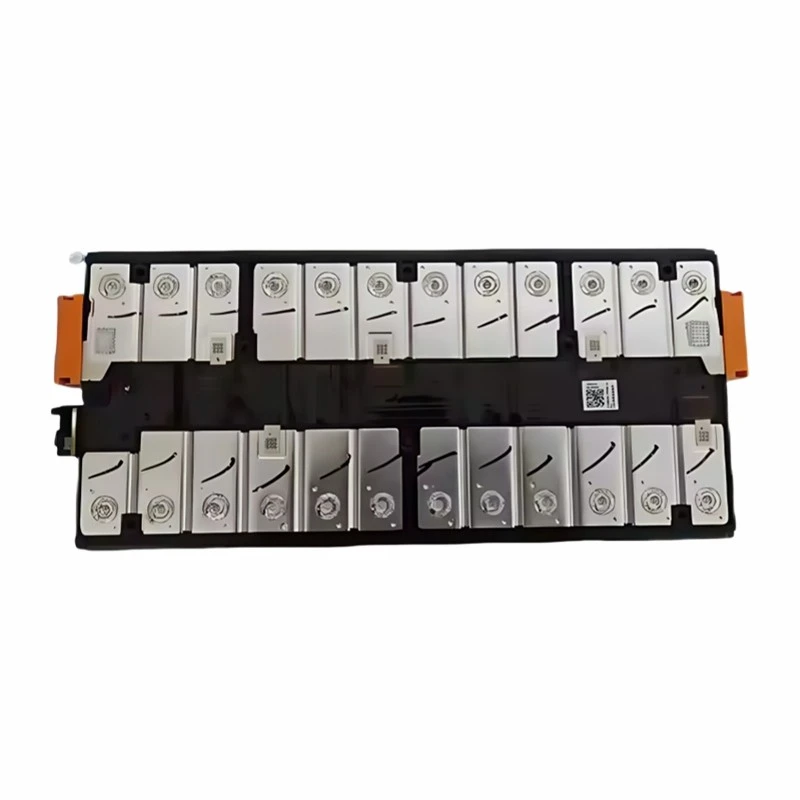
For EV and HEV applications, our 1P12S 44.4V 139Ah NCM Battery Module for EV and HEV is engineered to handle the harsh vibrations of vehicle operation. It has a high - energy density and excellent thermal management, which is crucial for maintaining performance under vibration - induced stress.

Conclusion
In conclusion, vibration is a significant factor that can affect the performance and lifespan of battery modules. However, as a reliable battery module supplier, we have the expertise and technology to address these issues. Our robust design and rigorous testing ensure that our battery modules can withstand the vibrations in various applications.
If you are in the market for high - quality battery modules that can resist vibration - related issues, we invite you to contact us for a detailed discussion. We are committed to providing you with the best solutions tailored to your specific needs.
References
- Zhang, X., & Li, Y. (2019). Effects of Vibration on Lithium - Ion Batteries in Electric Vehicles. Journal of Power Sources, 421, 126 - 133.
- Wang, H., et al. (2020). Vibration - Induced Degradation Mechanisms in Lithium - Ion Battery Modules. Electrochimica Acta, 330, 135378.
- Liu, Z., & Chen, X. (2021). Research on the Mechanical Response of Battery Modules under Vibration Conditions. Journal of Energy Storage, 39, 102672.