

In the ever - evolving landscape of energy storage, the question of which battery type is the most reliable has become a hot topic of discussion. As a supplier of sodium battery cells, I am deeply involved in this field and eager to share my insights on whether sodium battery cells are more reliable than other battery types.
The Current Battery Landscape
Before we dive into the reliability of sodium battery cells, it's important to understand the existing battery market. Traditional lead - acid batteries have been around for a long time. They are relatively inexpensive and have been widely used in applications such as vehicles' starting, lighting, and ignition systems. However, they have a relatively short lifespan, low energy density, and are harmful to the environment due to the lead and sulfuric acid they contain.
Lithium - ion batteries have revolutionized the battery market in recent decades. With high energy density, long cycle life, and light weight, they dominate the portable electronics and electric vehicle (EV) industries. Nevertheless, lithium is a scarce resource, and its extraction has environmental and geopolitical implications. Moreover, lithium - ion batteries are prone to safety issues such as overheating and potential fires, especially when they are damaged or improperly managed.
What Are Sodium Battery Cells?
Sodium battery cells, as the name suggests, use sodium ions as the charge carriers. Sodium is one of the most abundant elements on Earth, second only to silicon and oxygen among metals. This abundance makes sodium an attractive alternative to lithium. Sodium - ion batteries operate on a similar principle to lithium - ion batteries, where sodium ions move between the anode and the cathode during charging and discharging processes.
Advantages of Sodium Battery Cells in Terms of Reliability
1. Abundant Resources
The availability of sodium is a major factor contributing to the long - term reliability of sodium battery cells. Unlike lithium, which is concentrated in specific geographical regions and subject to potential supply disruptions, sodium can be sourced from seawater and other salt - rich resources. This ensures a stable supply chain, reducing the risk of shortages that could otherwise disrupt production and increase costs.
2. Safety
Sodium battery cells are generally considered safer than lithium - ion batteries. Lithium - ion batteries are known to experience thermal runaway, a chain reaction that can lead to overheating, fires, and even explosions. Sodium - ion batteries have a higher thermal stability, which means they are less likely to enter thermal runaway under normal and abnormal operating conditions. This makes them a more reliable choice, especially in applications where safety is a top priority, such as large - scale energy storage systems and electric vehicles.
3. Wide Temperature Range
Sodium battery cells can operate effectively in a wider temperature range compared to some other battery types. Lithium - ion batteries often suffer from performance degradation in extreme temperatures. In cold weather, their capacity decreases significantly, and in hot weather, their lifespan can be shortened. Sodium battery cells, on the other hand, can maintain relatively stable performance in both cold and hot environments, making them more reliable for use in various climates and applications.
4. Long Cycle Life
The cycle life of a battery refers to the number of charge - discharge cycles it can undergo before its capacity drops to a certain level. Sodium battery cells can achieve a relatively long cycle life. This is crucial for applications such as grid - scale energy storage, where batteries need to be charged and discharged multiple times a day over many years. A longer cycle life means less frequent battery replacements, reducing maintenance costs and ensuring the reliability of the overall energy storage system.
Real - World Applications and Examples
In the electric vehicle (EV) industry, the reliability of batteries is of utmost importance. Our Cylindrical 3.2V 10Ah EV Sodium Ion Battery is designed to provide a reliable power source for electric vehicles. With its high safety and stable performance, it can withstand the rigors of daily driving, including rapid acceleration, braking, and long - distance travel.

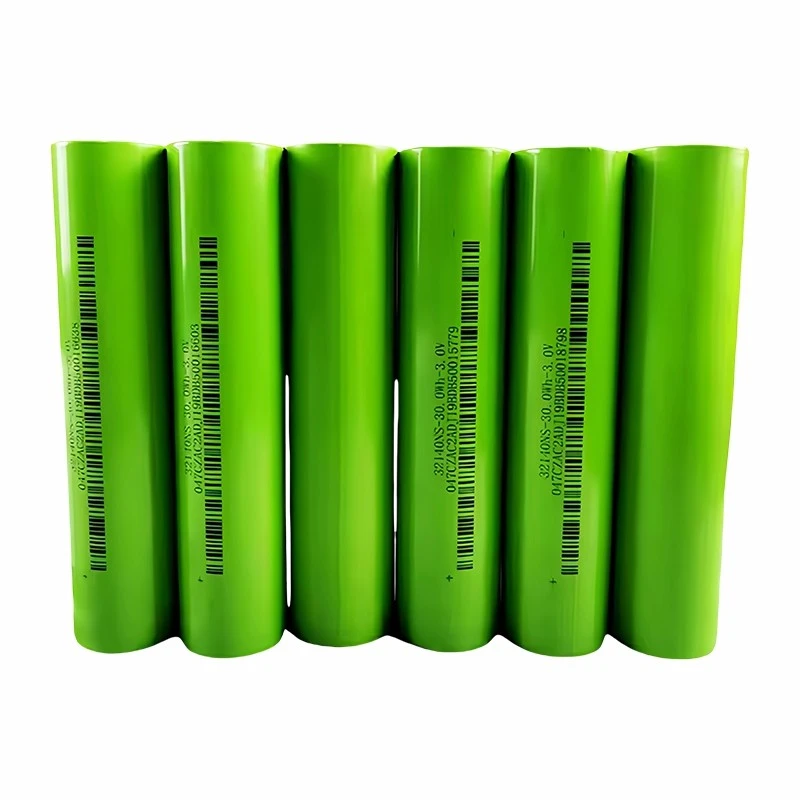
For large - scale energy storage, our 3.0V 200Ah NA Sodium Ion Battery Cells are an excellent choice. These cells can be integrated into energy storage systems to store excess electricity from renewable sources such as solar and wind. Because of their long cycle life and wide temperature range, they can ensure the continuous and reliable supply of electricity to the grid, even in harsh environmental conditions.
Challenges and Areas for Improvement
However, it's important to note that sodium battery cells are not without challenges. One of the main challenges is their relatively lower energy density compared to lithium - ion batteries. This means that for applications where space and weight are critical, such as smartphones and some high - performance electric vehicles, sodium battery cells may not be the first choice currently.
Another challenge is the development of electrolyte materials. The performance of sodium battery cells is highly dependent on the quality of the electrolyte. Researchers are constantly working on improving electrolyte formulations to enhance the conductivity and stability of sodium battery cells.
Conclusion
In conclusion, sodium battery cells offer several advantages in terms of reliability. Their abundant resources, high safety, wide temperature range, and long cycle life make them a promising alternative to other battery types, especially in applications where long - term stability and safety are crucial. While they still face some challenges, ongoing research and development efforts are likely to overcome these limitations in the future.
If you are interested in exploring the potential of sodium battery cells for your applications, I encourage you to reach out to us for further discussions. We are committed to providing high - quality sodium battery cells and customized solutions to meet your specific needs. Contact us today to start a procurement negotiation and take advantage of the reliability of sodium battery cells.
References
- Dunn, B., Kamath, H., & Tarascon, J - M. (2011). Electrical energy storage for the grid: A battery of choices. Science, 334(6058), 928 - 935.
- Goodenough, J. B., & Kim, Y. (2010). Challenges for rechargeable Li batteries. Chemistry of Materials, 22(3), 587 - 603.
- Xu, K. (2004). Nonaqueous liquid electrolytes for lithium - based rechargeable batteries. Chemical Reviews, 104(10), 4303 - 4417.