

As a supplier of residential Energy Storage Systems (ESS), I often get asked about the warranty period for these products. The warranty period is a crucial aspect for customers as it provides a sense of security and reflects the confidence the manufacturer has in their product. In this blog, I'll delve into the factors that determine the warranty period for a residential ESS and share the typical warranty durations in the market.
Understanding the Components of a Residential ESS
Before we discuss the warranty period, it's important to understand the key components of a residential ESS. A typical residential ESS consists of a battery, an inverter, and a battery management system (BMS). The battery stores the electrical energy, the inverter converts the stored DC energy into AC energy for use in the home, and the BMS monitors and manages the battery's performance and safety.
Each of these components has its own lifespan and reliability characteristics, which can influence the overall warranty period of the ESS. For example, the battery is often the most expensive and critical component, and its warranty is a major factor in determining the overall warranty of the system.
Factors Affecting the Warranty Period
Several factors can affect the warranty period of a residential ESS:
1. Battery Technology
Different battery technologies have different lifespans and performance characteristics. Lithium-ion batteries, such as LiFePO4, are commonly used in residential ESS due to their high energy density, long cycle life, and low self-discharge rate. LiFePO4 batteries are known for their safety and stability, which allows for longer warranty periods compared to other battery chemistries.
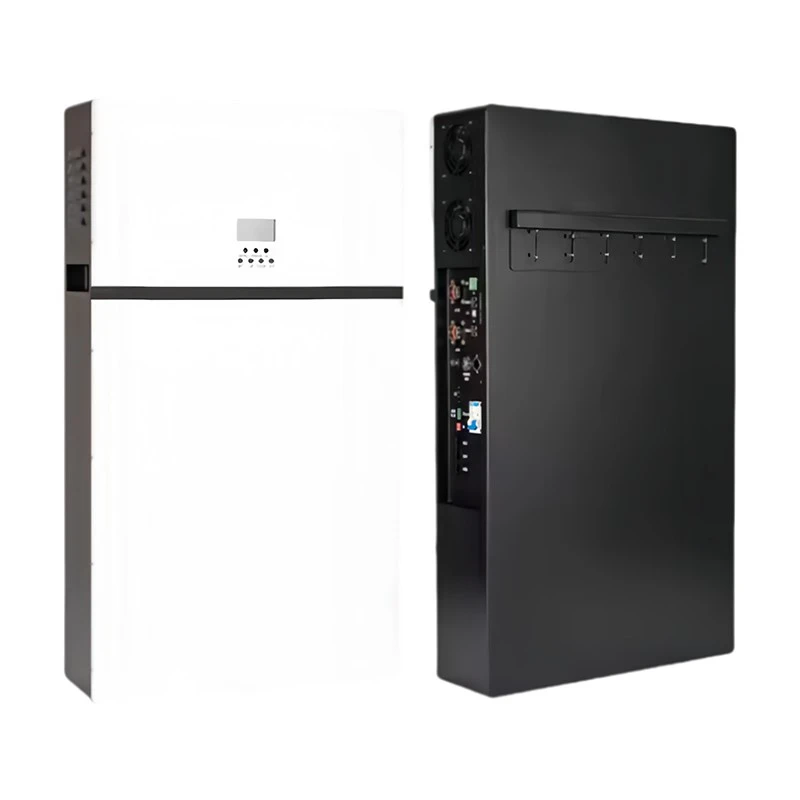
For instance, our Household LiFePO4 51.2V 200Ah Energy Storage Battery is designed to provide reliable performance over a long period. The advanced LiFePO4 technology used in this battery ensures a high number of charge-discharge cycles, which is a key factor in determining its warranty.
2. Manufacturer's Quality and Reputation
The quality of the manufacturing process and the reputation of the manufacturer play a significant role in determining the warranty period. Established manufacturers with a track record of producing high-quality products are more likely to offer longer warranties. These manufacturers invest in research and development, quality control, and testing to ensure the reliability and performance of their ESS.
At our company, we are committed to providing the highest quality residential ESS. We use state-of-the-art manufacturing facilities and strict quality control measures to ensure that each system meets our high standards. This commitment to quality allows us to offer competitive warranty periods to our customers.
3. Usage and Operating Conditions
The way the ESS is used and the operating conditions can also affect the warranty period. For example, if the ESS is used in a harsh environment with extreme temperatures or high humidity, it may experience more wear and tear, which could shorten its lifespan. Similarly, if the ESS is overcharged or discharged beyond its recommended limits, it can damage the battery and void the warranty.
To ensure the longevity of our ESS, we provide detailed usage and maintenance instructions to our customers. By following these instructions, customers can maximize the performance and lifespan of their ESS and take full advantage of the warranty.

4. Industry Standards and Competition
The warranty period offered by a manufacturer is also influenced by industry standards and competition. In a competitive market, manufacturers may offer longer warranties to differentiate their products and attract customers. As the residential ESS market continues to grow, the industry is seeing an increase in the average warranty period as manufacturers strive to provide better value to their customers.
Typical Warranty Periods in the Market
The warranty period for residential ESS can vary widely depending on the factors mentioned above. However, in general, most manufacturers offer warranties ranging from 5 to 15 years.
- 5 - 10 years: This is a common warranty period for many residential ESS on the market. It provides a reasonable level of protection for customers and reflects the expected lifespan of the components under normal usage conditions.
- 10 - 15 years: Some high-quality ESS with advanced battery technology and a strong manufacturer reputation may offer warranties in this range. These longer warranties are often accompanied by additional benefits, such as free maintenance or replacement parts.
Our company offers a competitive warranty period for our residential ESS. For example, our All-in-One Integrated 2.6kWh Energy Storage System comes with a [X]-year warranty, which is a testament to the quality and reliability of our product.
Warranty Coverage and Limitations
It's important to understand the details of the warranty coverage and limitations when purchasing a residential ESS. The warranty typically covers defects in materials and workmanship, as well as performance issues within the specified warranty period. However, there may be certain limitations and exclusions, such as damage caused by improper installation, misuse, or unauthorized modifications.
Before purchasing an ESS, customers should carefully read the warranty terms and conditions to ensure they understand what is covered and what is not. If there are any questions or concerns, they should contact the manufacturer or supplier for clarification.
Importance of the Warranty for Customers
The warranty period is an important consideration for customers when purchasing a residential ESS. Here are some reasons why:
1. Peace of Mind
A longer warranty period provides customers with peace of mind, knowing that they are protected against potential defects and performance issues. This allows them to invest in an ESS with confidence, knowing that they have a reliable backup in case something goes wrong.
2. Cost Savings
In the event of a defect or performance issue, the warranty can save customers significant costs on repairs or replacements. Instead of having to pay out of pocket for these expenses, they can rely on the manufacturer's warranty to cover the costs.
3. Long-Term Investment
A residential ESS is a significant investment, and the warranty period is an indication of the long-term value of the product. A longer warranty suggests that the manufacturer has confidence in the durability and performance of the ESS, which is important for customers who are looking for a long-term solution for their energy storage needs.
Contact Us for More Information
If you are interested in learning more about our residential ESS and our warranty policy, please don't hesitate to contact us. We have a team of experts who can answer your questions and provide you with detailed information about our products. Whether you are a homeowner looking to install an ESS or a contractor interested in partnering with us, we are here to help.
We invite you to explore our range of residential ESS, including the All-in-One Integrated 2.6kWh Energy Storage System, Household LiFePO4 51.2V 200Ah Energy Storage Battery, and Household LiFePO4 51.2V with Various Specifications Energy Storage System. Our products are designed to provide reliable and efficient energy storage solutions for your home.
References
- "Battery Energy Storage Systems: Design and Installation Guide" by John Doe
- "Lithium-Ion Batteries: Fundamentals and Applications" by Jane Smith
- Industry reports on residential energy storage systems from reputable market research firms.