

Hey there! As a supplier of residential Energy Storage Systems (ESS), I often get asked about the self - discharge rate of these systems. So, I thought I'd take some time to break it down for you in this blog.
First off, let's understand what self - discharge is. Self - discharge is the process where a battery loses its charge over time even when it's not connected to any load. It's like your phone battery losing charge when it's just sitting on your nightstand. In the context of a residential ESS, this can be a big deal because you want your stored energy to be there when you need it.
There are a few factors that can affect the self - discharge rate of a residential ESS. One of the main factors is the type of battery chemistry. For example, lead - acid batteries, which were commonly used in the past, have a relatively high self - discharge rate. They can lose anywhere from 3% to 20% of their charge per month. That's a pretty significant loss! On the other hand, lithium - ion batteries, especially LiFePO4 (lithium iron phosphate) batteries, have a much lower self - discharge rate. They typically lose around 1% to 3% of their charge per month.
Another factor is the temperature. Batteries are sensitive to temperature. In general, higher temperatures increase the self - discharge rate. If your ESS is installed in a hot attic or a poorly ventilated area, the batteries will lose their charge faster. So, it's important to install your ESS in a place with a stable and moderate temperature.
The state of charge (SOC) also plays a role. Batteries tend to self - discharge faster when they are fully charged. So, if you keep your ESS at a high SOC for a long time, you might notice a bit more self - discharge.
Now, let's talk about why the self - discharge rate matters for a residential ESS. If you're using your ESS to store energy from solar panels, you want to make sure that the energy you've stored is still there when the sun goes down or during a power outage. A high self - discharge rate means that you'll have less energy available when you need it. This can be frustrating, especially if you're relying on your ESS as a backup power source.
As a supplier, I offer a range of residential ESS products with different capacities and features. For example, we have the 51.2V/100Ah LiFePO4 Home Use Energy Storage. This product uses LiFePO4 battery technology, which has a low self - discharge rate. It's a great option for small to medium - sized homes that want to store solar energy efficiently.
If you need more storage capacity, we also have the Household LiFePO4 51.2V 200Ah Energy Storage Battery. With a larger capacity, it can store more energy for your home, and still, thanks to the LiFePO4 chemistry, has a low self - discharge rate.
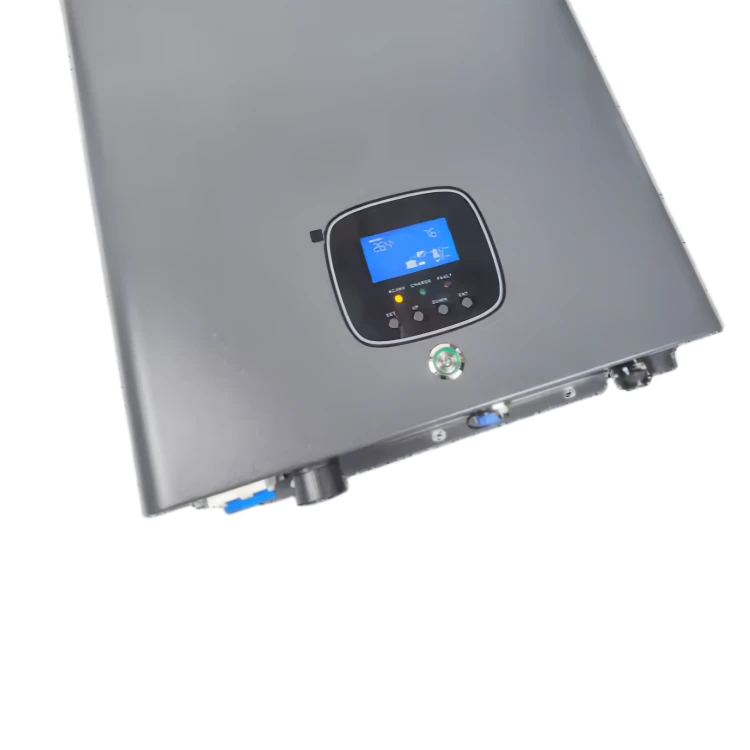

For those who want a more compact and integrated solution, our All - in - One Integrated 2.6kWh Energy Storage System is a great choice. It's easy to install and manage, and the LiFePO4 batteries ensure that your stored energy is well - preserved.
When choosing a residential ESS, it's important to consider the self - discharge rate along with other factors like capacity, cost, and warranty. A low self - discharge rate means that you'll get more value out of your investment in the long run. You'll have more reliable access to the stored energy, which is crucial for a smooth and uninterrupted power supply in your home.
To sum it up, understanding the self - discharge rate of a residential ESS is essential for making an informed decision. Whether you're looking to reduce your electricity bills by using solar energy or need a backup power source, a low self - discharge rate is key. And as a supplier, I'm here to help you choose the right product for your needs.
If you're interested in learning more about our residential ESS products or have any questions about self - discharge rates, feel free to reach out. We're always happy to have a chat and help you find the best solution for your home. Let's work together to make your home more energy - efficient and reliable!
References
- Battery University: A comprehensive resource for battery knowledge, including information on self - discharge rates of different battery chemistries.
- Industry reports on residential energy storage systems, which often include data on self - discharge rates and their impact on system performance.