

What is the price of LiFePO4 battery cells?
As a supplier of LiFePO4 battery cells, I often get asked about the price of these energy - storage powerhouses. The price of LiFePO4 battery cells is influenced by a multitude of factors, and understanding these can help potential buyers make informed decisions.
Factors Affecting the Price of LiFePO4 Battery Cells
1. Capacity
One of the most significant factors determining the price is the capacity of the battery cell. Higher - capacity cells generally cost more. For example, a New 3.2V 280Ah for EV LiFePO4 Battery Cell is designed to store a large amount of energy, which means it requires more raw materials and advanced manufacturing processes. In contrast, a Factory Supply 3.2V/15Ah LiFePO4 Battery Cell has a much lower capacity, and thus, its price is relatively lower. The relationship between capacity and price is usually linear to a certain extent, but as the capacity increases, the cost per Ah may not decrease proportionally due to the complexity of manufacturing larger cells.
2. Quality and Performance
The quality and performance of LiFePO4 battery cells also play a crucial role in pricing. High - quality cells are manufactured using better raw materials and more precise production techniques. These cells often have a longer cycle life, better thermal stability, and higher energy density. For instance, cells with a high cycle life can be charged and discharged more times before their performance starts to degrade significantly. This makes them more suitable for applications where long - term reliability is essential, such as in electric vehicles (EVs) or energy storage systems (ESS). A Cylinder 3.2V 100Ah for ESS LiFePO4 Battery Cell used in an ESS needs to be of high quality to ensure stable power supply over an extended period. As a result, high - quality cells usually come with a premium price tag.
3. Market Demand and Supply
The basic economic principle of supply and demand also impacts the price of LiFePO4 battery cells. In recent years, the demand for LiFePO4 battery cells has been increasing rapidly, driven by the growth of the EV market and the need for renewable energy storage. As more companies enter the market to meet this demand, the supply has also been rising. However, fluctuations in raw material prices, such as lithium, iron, and phosphate, can affect the production cost and, consequently, the selling price. If there is a shortage of raw materials, the supply of LiFePO4 battery cells may be limited, leading to an increase in price.
4. Manufacturing Scale
The scale of manufacturing can have a significant impact on the price. Large - scale manufacturers can take advantage of economies of scale. They can purchase raw materials in bulk at lower prices, optimize their production processes, and spread their fixed costs over a larger number of units. This allows them to offer LiFePO4 battery cells at a more competitive price compared to small - scale manufacturers. As a supplier, we are constantly looking for ways to increase our manufacturing scale to provide our customers with cost - effective products.
Price Range of LiFePO4 Battery Cells
The price of LiFePO4 battery cells can vary widely depending on the factors mentioned above. Generally, for small - capacity cells with capacities ranging from a few Ah to tens of Ah, the price per Ah can be relatively high, often in the range of a few dollars per Ah. These cells are commonly used in small electronic devices or for experimental purposes.
Medium - capacity cells, such as those with capacities between 50Ah and 150Ah, are often used in applications like electric scooters, small boats, or home energy storage systems. The price per Ah for these cells is usually lower than that of small - capacity cells, typically in the range of $1 - $2 per Ah.
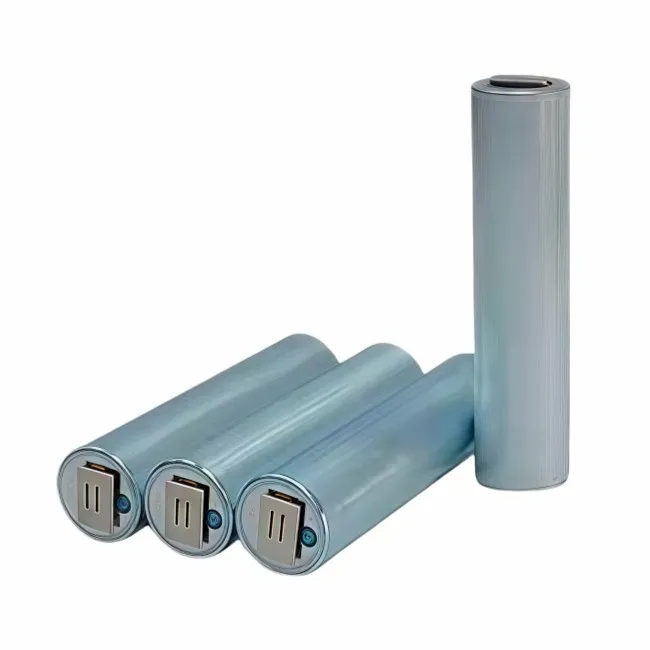

Large - capacity cells with capacities above 200Ah, which are mainly used in EVs and large - scale ESS, have a relatively lower price per Ah. However, due to their large total capacity, the overall price of these cells can still be substantial. The price per Ah for large - capacity cells can be around $0.5 - $1 per Ah, depending on the quality and performance requirements.
How to Choose the Right LiFePO4 Battery Cells
When choosing LiFePO4 battery cells, it is essential to consider your specific needs and budget. If you are using the cells for a small - scale project with limited power requirements, a Factory Supply 3.2V/15Ah LiFePO4 Battery Cell may be a cost - effective option. On the other hand, if you are building an EV or a large - scale ESS, you may need to invest in high - quality, large - capacity cells like the New 3.2V 280Ah for EV LiFePO4 Battery Cell or Cylinder 3.2V 100Ah for ESS LiFePO4 Battery Cell.
In addition to capacity and performance, it is also important to consider the reputation of the supplier. A reliable supplier can provide you with high - quality products, technical support, and after - sales service. At our company, we have years of experience in the LiFePO4 battery cell industry. We are committed to providing our customers with the best products at competitive prices.
Contact for Purchase and Negotiation
If you are interested in purchasing LiFePO4 battery cells, we encourage you to reach out to us. We understand that every customer has unique requirements, and we are willing to have in - depth discussions with you to find the most suitable products for your needs. Whether you are looking for a small - quantity order for a prototype or a large - scale purchase for a commercial project, we can offer you customized solutions.
We believe that through open communication and negotiation, we can establish a long - term and mutually beneficial cooperation. So, if you have any questions or would like to discuss your purchase needs, please feel free to contact us. We look forward to working with you to power your projects with high - quality LiFePO4 battery cells.
References
- "Lithium - Ion Batteries: Science and Technologies" by Y. - K. Sun, S. - T. Myung, and B. Scrosati.
- Industry reports on the LiFePO4 battery market from market research firms.