

As a supplier of residential Energy Storage Systems (ESS), I often encounter inquiries from homeowners and industry enthusiasts about the power conversion efficiency of these systems. In this blog post, I'll delve into what power conversion efficiency means for residential ESS, why it's crucial, and how our products perform in this aspect.
Understanding Power Conversion Efficiency
Power conversion efficiency is a measure of how effectively an ESS can convert electrical energy from one form to another. In the context of a residential ESS, this typically involves the conversion between the DC (direct current) power stored in the batteries and the AC (alternating current) power used in homes.
The efficiency is expressed as a percentage, representing the ratio of the output power to the input power. For example, if an ESS has a power conversion efficiency of 90%, it means that for every 100 watts of electrical energy input into the system, 90 watts are successfully converted and available for use, while the remaining 10 watts are lost as heat or through other inefficiencies.
Why Power Conversion Efficiency Matters
High power conversion efficiency is essential for several reasons:
- Energy Savings: A more efficient ESS wastes less energy during the conversion process. This means that homeowners can get more out of the energy they store, reducing their overall electricity consumption and potentially lowering their energy bills.
- Environmental Impact: By minimizing energy losses, efficient ESS contribute to a more sustainable energy future. Less wasted energy means less demand on the power grid and a reduced need for fossil fuel-based power generation.
- System Performance: An ESS with high efficiency can provide more reliable power to the home. It can quickly and effectively convert stored energy into usable power, ensuring that essential appliances and devices continue to operate during power outages or peak demand periods.
Factors Affecting Power Conversion Efficiency
Several factors can influence the power conversion efficiency of a residential ESS:
- Battery Chemistry: Different battery chemistries have varying levels of efficiency. For example, lithium-ion batteries, such as LiFePO4 (lithium iron phosphate), are known for their high energy density and relatively high efficiency compared to other battery types.
- Inverter Technology: The inverter is a critical component of an ESS, responsible for converting DC power from the batteries to AC power for use in the home. Advanced inverter technologies, such as those with high-frequency switching and intelligent control algorithms, can significantly improve conversion efficiency.
- System Design: The overall design of the ESS, including the layout of components, wiring, and cooling systems, can also impact efficiency. A well-designed system minimizes energy losses and ensures optimal performance.
- Operating Conditions: The efficiency of an ESS can vary depending on the operating conditions, such as temperature, charge and discharge rates, and the state of charge of the batteries. For example, extreme temperatures can reduce battery performance and efficiency.
Our Residential ESS and Power Conversion Efficiency
At our company, we are committed to providing high-quality residential ESS with excellent power conversion efficiency. Our products are designed using the latest technologies and best practices to ensure optimal performance and energy savings for homeowners.
One of our popular products is the 51.2V/100Ah LiFePO4 Home Use Energy Storage. This system features a high-efficiency LiFePO4 battery and an advanced inverter, resulting in a power conversion efficiency of up to 95%. With its compact design and easy installation, it's an ideal choice for homeowners looking to store excess solar energy or backup power.
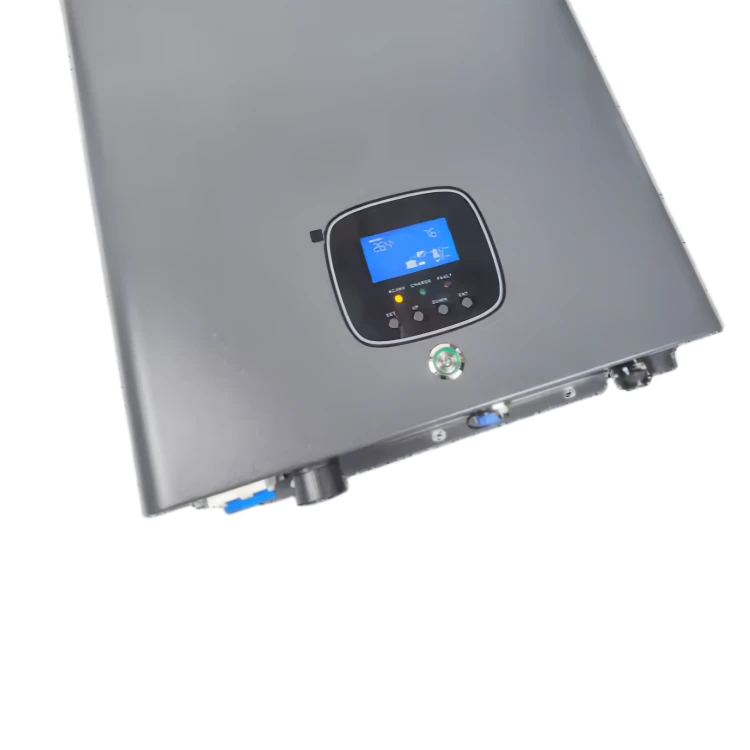
Another product in our lineup is the All-in-One Integrated 2.6kWh Energy Storage System. This all-in-one solution combines a battery, inverter, and management system into a single unit, offering a convenient and efficient way to store and use energy. It has a power conversion efficiency of over 92% and is suitable for both new construction and retrofit applications.
For larger energy storage needs, we offer the Household LiFePO4 51.2V 200Ah Energy Storage Battery. This high-capacity battery system can provide reliable backup power for extended periods and has a power conversion efficiency of up to 94%.
Measuring and Improving Power Conversion Efficiency
To ensure that our residential ESS meet the highest standards of efficiency, we conduct rigorous testing and quality control procedures. We use advanced testing equipment to measure the power conversion efficiency of each system under various operating conditions, and we continuously work to improve our products through research and development.
Homeowners can also take steps to improve the efficiency of their ESS. For example, they can ensure that the system is installed in a well-ventilated area to prevent overheating, and they can optimize the charging and discharging cycles to minimize energy losses.

Conclusion
Power conversion efficiency is a crucial factor to consider when choosing a residential ESS. A high-efficiency system can save homeowners money, reduce their environmental impact, and provide more reliable power. At our company, we are dedicated to providing innovative and efficient energy storage solutions that meet the needs of homeowners.
If you're interested in learning more about our residential ESS or discussing your energy storage requirements, we encourage you to contact us. Our team of experts is available to answer your questions and help you find the best solution for your home.
References
- "Battery Energy Storage Systems: Efficiency and Performance." Energy.gov.
- "Lithium-Ion Battery Technology: Advantages and Challenges." Journal of Power Sources.
- "Inverter Technology for Renewable Energy Systems." IEEE Transactions on Power Electronics.