

Hey there! As a supplier of 3.7V 147Ah NCM Lithium Ion Batteries, I often get asked about the performance difference between a new and an old battery of this type. So, let's dive right in and break it down.
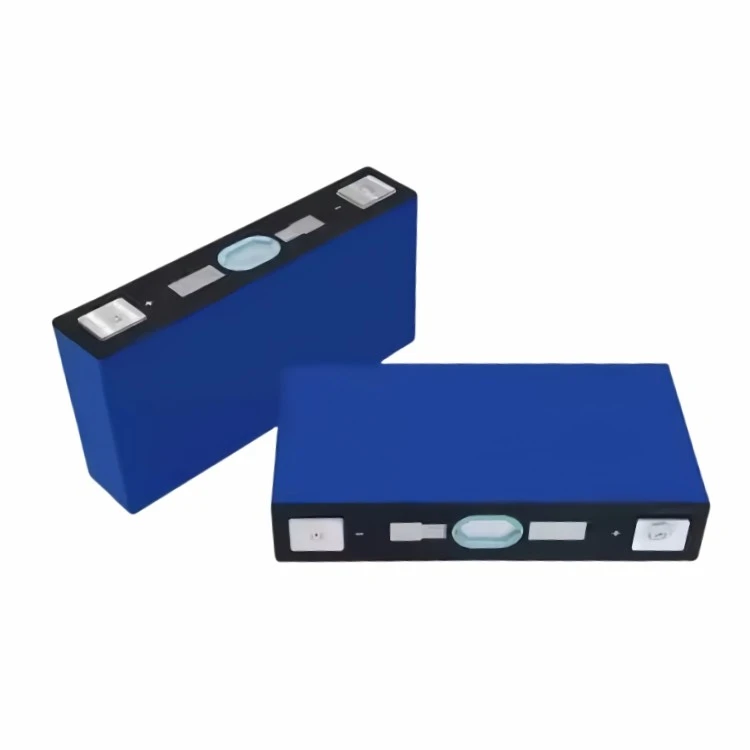
First off, what's an NCM Lithium Ion Battery? NCM stands for Nickel - Cobalt - Manganese. These batteries are known for their high energy density, good power output, and relatively long cycle life. Our 3.7V 147Ah NCM Lithium Ion Battery is a popular choice for various applications, from electric vehicles to energy storage systems.

Capacity and Energy Output
One of the most noticeable differences between a new and an old 3.7V 147Ah NCM Lithium Ion Battery is the capacity. A new battery is designed to have a nominal capacity of 147Ah. This means it can supply a current of 1 ampere for 147 hours, or 147 amperes for 1 hour, at its rated voltage of 3.7V.
However, as the battery ages, its capacity starts to decline. This is due to several factors, such as the growth of a solid - electrolyte interphase (SEI) layer on the electrodes, the loss of active materials, and the degradation of the electrolyte. Over time, the old battery may only be able to hold, say, 120Ah or even less. This directly affects the energy output. Since energy (E) is calculated as the product of voltage (V) and capacity (Ah), a lower capacity means less energy can be stored and delivered.
Let's put it in perspective. If you're using the battery in an electric vehicle, a new battery will allow you to drive a longer distance on a single charge compared to an old one. And if it's for an energy storage system, the new battery can store more energy from renewable sources like solar panels to power your home during the night.
Voltage and Discharge Curve
The voltage of a battery is also an important performance indicator. A new 3.7V 147Ah NCM Lithium Ion Battery typically maintains a relatively stable voltage during discharge. The discharge curve of a new battery is smooth, with the voltage dropping gradually as the battery is depleted.
On the other hand, an old battery may have a more erratic voltage behavior. As the internal resistance of the battery increases with age, the voltage may drop more rapidly during high - current discharge. This can lead to a situation where the battery appears to have more charge left based on the capacity, but it can't deliver the power effectively because the voltage drops too quickly.
For example, in a device that requires a stable voltage to operate properly, like a laptop or a smartphone, an old battery may cause the device to shut down unexpectedly even though the battery still has some charge remaining.
Charge Efficiency
Charge efficiency is another area where new and old batteries differ. A new 3.7V 147Ah NCM Lithium Ion Battery has a high charge efficiency, which means that most of the electrical energy supplied during charging is stored in the battery. The charge efficiency of a new battery can be as high as 95% or more.
As the battery ages, its charge efficiency decreases. This is because the degradation processes mentioned earlier, such as the growth of the SEI layer, increase the internal resistance of the battery. More energy is lost as heat during the charging process, and less energy is actually stored. So, it takes longer to charge an old battery, and you end up using more electricity to achieve the same level of charge compared to a new battery.
Cycle Life and Durability
The cycle life of a battery refers to the number of charge - discharge cycles it can undergo before its capacity drops to a certain level, usually 80% of its original capacity. A new 3.7V 147Ah NCM Lithium Ion Battery is designed to have a long cycle life, often several thousand cycles.
But as the battery gets older, it gets closer to the end of its cycle life. Each charge - discharge cycle causes some degree of wear and tear on the battery's internal components. An old battery may start to experience more frequent failures, such as swelling, short - circuits, or a sudden loss of capacity.
For applications that require frequent charging and discharging, like electric buses or grid - scale energy storage, the durability of a new battery is a huge advantage. You can rely on a new battery to perform consistently over a long period, while an old battery may need to be replaced more frequently.
Temperature Performance
Temperature also plays a significant role in the performance of NCM Lithium Ion Batteries. A new battery generally has better temperature performance compared to an old one. At low temperatures, a new battery can still maintain a relatively high capacity and charge - discharge efficiency.
An old battery, however, is more sensitive to temperature changes. At low temperatures, the internal resistance of an old battery increases even more, which further reduces its capacity and power output. And at high temperatures, an old battery is more prone to thermal runaway, a dangerous situation where the battery overheats and can even catch fire or explode.
Comparison with Other NCM Batteries
It's also interesting to compare our 3.7V 147Ah NCM Lithium Ion Battery with other NCM batteries in our product line, like the 3.67V 78Ah NCM Lithium Ion Battery and the Prismatic 3.65V 55Ah NCM Lithium Ion Battery Cell. These batteries have different capacities and voltages, but the general principles of new - old performance differences apply to them as well.
The smaller - capacity batteries may have a faster rate of degradation in some cases, especially if they are subjected to high - current discharge. But they also offer more flexibility in terms of size and weight, which can be important for certain applications.
Conclusion
In conclusion, the performance differences between a new and an old 3.7V 147Ah NCM Lithium Ion Battery are quite significant. A new battery offers higher capacity, more stable voltage, better charge efficiency, longer cycle life, and improved temperature performance.
If you're in the market for a reliable and high - performing battery, investing in a new 3.7V 147Ah NCM Lithium Ion Battery is definitely a smart choice. Whether you need it for an electric vehicle, an energy storage system, or any other application, a new battery will give you the best value for your money in the long run.
If you're interested in purchasing our 3.7V 147Ah NCM Lithium Ion Batteries or have any questions about their performance, feel free to reach out to us for a procurement discussion. We're here to help you find the best battery solution for your needs.
References
- "Lithium - Ion Batteries: Science and Technologies" by Y. - K. Sun, S. - T. Myung, and B. Scrosati.
- Journal articles on lithium - ion battery degradation mechanisms published in "Journal of Power Sources" and "Electrochimica Acta".