

Hey there! As a solar inverter supplier, I often get asked about different features and functions of solar inverters. One crucial aspect that's super important for the safety and longevity of these devices is over - temperature protection. So, let's dive right in and talk about what over - temperature protection in a solar inverter is all about.
First off, what's a solar inverter? Well, it's a key component in any solar power system. Its main job is to convert the direct current (DC) electricity produced by solar panels into alternating current (AC) electricity that we can use in our homes, offices, or industries. But here's the catch - during the conversion process, solar inverters generate heat. And just like any other electronic device, too much heat can spell trouble.
Over - temperature protection is a built - in safety mechanism in solar inverters. Its primary goal is to prevent the inverter from getting too hot. When an inverter overheats, it can lead to a whole bunch of problems. For starters, it can reduce the efficiency of the inverter. You see, as the temperature rises, the internal components of the inverter start to work less effectively. This means that less of the DC power from the solar panels is being converted into usable AC power. So, you're essentially losing out on some of that free solar energy.
Another risk of overheating is component damage. The electronic parts inside a solar inverter, like transistors, diodes, and capacitors, are sensitive to high temperatures. Prolonged exposure to excessive heat can cause these components to degrade faster, leading to malfunctions or even permanent damage. And if a critical component fails, well, your solar power system might stop working altogether, and you'll be looking at some costly repairs or replacements.
So, how does over - temperature protection work? There are a few different ways. One common method is through the use of temperature sensors. These sensors are placed strategically inside the inverter to monitor the temperature of key components. When the temperature reaches a pre - set threshold, the over - temperature protection system kicks into action.
One way it can respond is by reducing the power output of the inverter. This is known as derating. By lowering the power level, the inverter generates less heat. It's like taking your foot off the gas pedal in a car to slow down and cool things off. For example, if an inverter is rated for 5kW but starts to overheat, it might reduce its output to 3kW until the temperature drops back to a safe level.
In more extreme cases, if the temperature continues to rise despite derating, the over - temperature protection system might shut down the inverter completely. This is a last - ditch effort to prevent serious damage to the device. Sure, it means you won't be getting any power from your solar panels at that moment, but it's better than having a fried inverter.
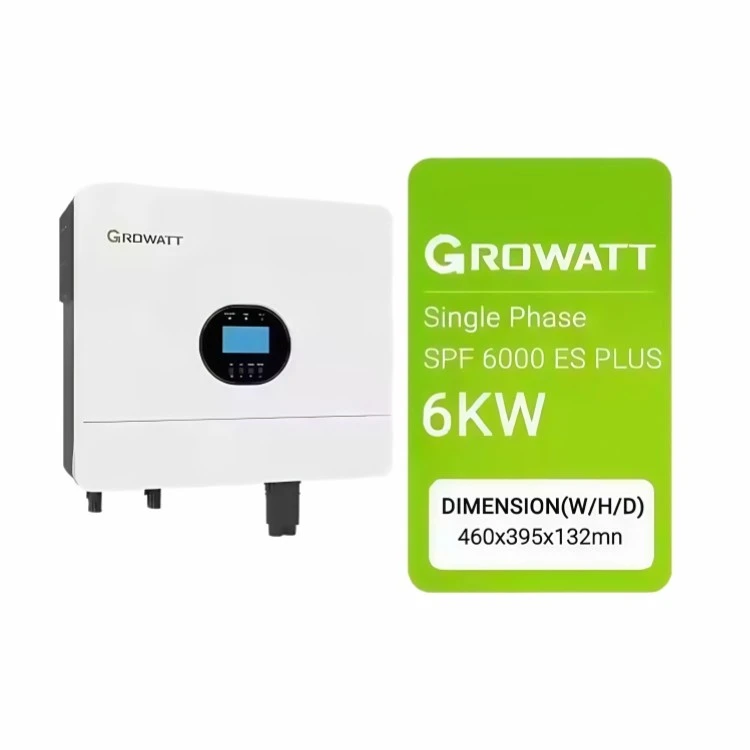
Now, let's talk about why over - temperature protection is so important for us as solar inverter suppliers. For one, it gives our customers peace of mind. They know that when they invest in our High Quality Solar Inverter 3Kw OFF Grid Hybrid Solar, Deye 5KW 8KW 220VAC Hybrid Solar Inverter, or Growatt Off Grid 6Kw/48V SPF 6000 ES Plus Inverter, they're getting a reliable product that's designed to last.
Over - temperature protection also helps us maintain a good reputation in the market. A solar inverter that keeps breaking down due to overheating is a nightmare for both the customer and the supplier. It leads to negative reviews, customer complaints, and potential loss of business. By ensuring that our inverters have effective over - temperature protection, we can provide high - quality products that perform well over the long term.
Moreover, it's also a matter of compliance. In many regions, there are regulations and standards regarding the safety of electrical equipment, including solar inverters. Over - temperature protection is often a requirement to meet these standards. So, by including this feature in our inverters, we're not only protecting our customers' investments but also making sure that our products are legally compliant.
When choosing a solar inverter, it's important for customers to pay attention to the over - temperature protection specifications. Different inverters have different temperature thresholds and response mechanisms. Some inverters might have more advanced over - temperature protection systems that can provide more precise control and faster response times.
For example, some high - end inverters use advanced algorithms to predict when overheating might occur and take preventive measures before the temperature actually reaches dangerous levels. These smart inverters can adjust their power output in a more gradual and efficient way, minimizing the impact on the overall power generation of the solar system.
In addition to the built - in over - temperature protection, proper installation and maintenance also play a crucial role in preventing overheating. Inverters should be installed in a well - ventilated area, away from direct sunlight and other heat sources. Adequate spacing around the inverter is also important to allow for proper air circulation.
Regular maintenance, such as cleaning the inverter and checking the cooling fans (if equipped), can also help keep the temperature in check. A dirty inverter can trap heat, and a malfunctioning fan won't be able to dissipate heat effectively.

So, if you're in the market for a solar inverter, don't overlook the importance of over - temperature protection. It's a feature that can make a big difference in the performance and lifespan of your solar power system. And as a trusted solar inverter supplier, we're here to help you choose the right inverter for your needs.
If you're interested in learning more about our solar inverters or have any questions about over - temperature protection, feel free to reach out. We're always happy to have a chat and help you make an informed decision. Whether you're looking for a small off - grid inverter for a remote cabin or a large - scale inverter for a commercial solar project, we've got you covered. Let's work together to harness the power of the sun safely and efficiently.
References:
- Solar Energy International. "Solar Electric Systems: A Homeowner's Guide."
- International Electrotechnical Commission (IEC) standards on solar inverters.
- Industry whitepapers on solar inverter technology and safety features.