

Hey there! As a supplier of NCM battery cells, I often get asked about the maximum charge current for these batteries. So, I thought I'd write a blog post to clear things up and share some insights based on my experience in the industry.
First off, let's quickly go over what NCM battery cells are. NCM stands for Nickel-Cobalt-Manganese, and these battery cells are a type of lithium-ion battery. They're known for their high energy density, good cycle life, and relatively high power output, which makes them popular in a wide range of applications, from electric vehicles to portable electronics.
Now, the maximum charge current for NCM battery cells isn't a one-size-fits-all number. It depends on several factors, and understanding these factors is crucial for ensuring the safe and efficient charging of the batteries.
Factors Affecting the Maximum Charge Current
1. Battery Capacity
The capacity of the battery cell, usually measured in ampere-hours (Ah), plays a big role in determining the maximum charge current. Generally, larger capacity cells can handle higher charge currents. For example, our 3.7V 147Ah NCM Lithium Ion Battery can typically tolerate a higher charge current compared to a smaller capacity cell like our Prismatic 3.73V 58Ah NCM Lithium Ion Battery Cell. This is because the larger cell has more active material to accept the incoming charge, and it can dissipate the heat generated during charging more effectively.
2. Battery Design and Construction
The design and construction of the battery cell also impact the maximum charge current. Prismatic cells, like our Prismatic 3.65V 55Ah NCM Lithium Ion Battery Cell, have a different internal structure compared to cylindrical or pouch cells. This can affect how the current is distributed within the cell and how heat is managed. Cells with better internal conductivity and heat dissipation capabilities can usually handle higher charge currents.
3. Temperature
Temperature is a critical factor when it comes to charging NCM battery cells. Charging at too high a temperature can cause the battery to degrade faster and increase the risk of thermal runaway, which is a dangerous situation where the battery overheats and can potentially catch fire or explode. On the other hand, charging at very low temperatures can lead to lithium plating on the anode, which also reduces the battery's lifespan and performance. Most NCM battery cells are designed to be charged within a specific temperature range, typically between 0°C and 45°C. Outside of this range, the maximum charge current may need to be reduced to ensure safe charging.
4. State of Charge (SOC)
The state of charge of the battery cell also affects the maximum charge current. When the battery is at a low state of charge, it can usually accept a higher charge current. As the battery approaches full charge, the charge current needs to be gradually reduced to prevent overcharging. This is typically done using a charging algorithm that adjusts the current based on the SOC of the battery.
Typical Maximum Charge Currents
In general, for NCM battery cells, the maximum charge current is often specified as a multiple of the battery's capacity, known as the C-rate. For example, a 1C charge current means charging the battery at a rate equal to its capacity. So, for a 100Ah battery, a 1C charge current would be 100A.

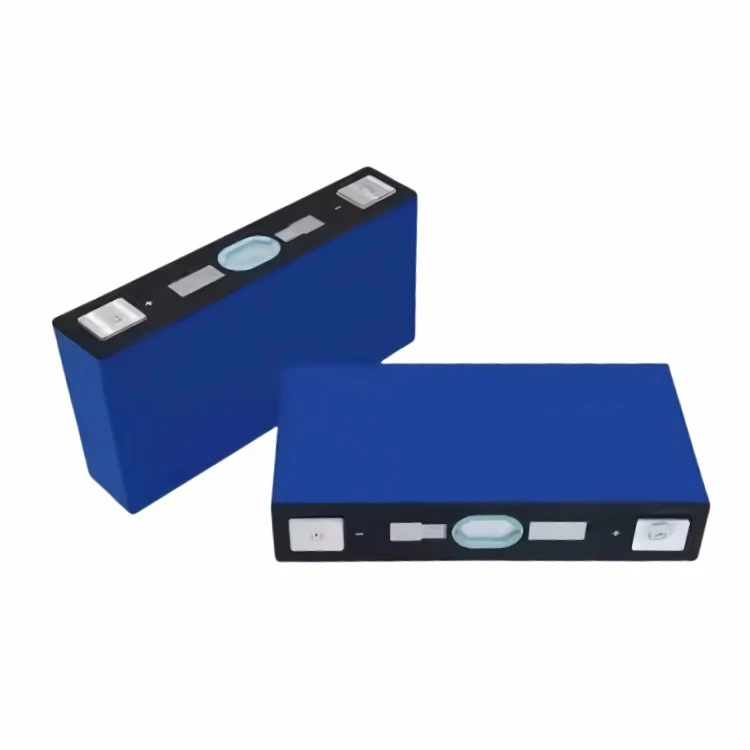
For most consumer-grade NCM battery cells, the maximum charge current is usually in the range of 0.5C to 1C. This means that a 50Ah battery could typically be charged at a maximum current of 25A to 50A. However, in some high-performance applications, such as electric vehicles, battery cells are designed to handle higher charge currents, sometimes up to 2C or even higher.
Importance of Staying within the Maximum Charge Current
Staying within the maximum charge current is crucial for several reasons. Firstly, it ensures the safety of the battery. Overcharging the battery by using a charge current higher than the recommended maximum can lead to overheating, which can damage the battery and increase the risk of fire or explosion. Secondly, it helps to maintain the battery's performance and lifespan. Charging the battery at a higher current than it can handle can cause accelerated degradation of the battery's active materials, reducing its capacity and cycle life over time.
How We Ensure Safe Charging in Our Products
As a supplier of NCM battery cells, we take the safety and performance of our products very seriously. We conduct extensive testing on our battery cells to determine the maximum charge current under different conditions. Our batteries are also equipped with built-in protection circuits that monitor the charge current, voltage, and temperature of the battery during charging. These protection circuits automatically cut off the charging if any of the parameters go outside the safe operating range.
In addition, we provide detailed technical specifications and charging guidelines with our products to help our customers charge the batteries safely and efficiently. We also offer technical support to answer any questions our customers may have about charging the batteries.
Contact Us for Your NCM Battery Cell Needs
If you're in the market for high-quality NCM battery cells, we'd love to hear from you. Whether you need battery cells for a small portable device or a large-scale electric vehicle project, we have a wide range of products to meet your needs. Our team of experts can help you choose the right battery cells for your application and provide you with all the information you need to ensure safe and efficient charging.
Don't hesitate to reach out to us to start a conversation about your NCM battery cell requirements. We're looking forward to working with you!
References
- "Lithium-Ion Batteries: Science and Technologies" by Yoshio Matsuda, Akiya Kanno, and Masataka Wakihara.
- "Battery Management Systems: Design by Modeling" by Jason Lai.