

Yo, what's up everyone! I'm a supplier of current sensors, and today I wanna chat about something super important in our field: magnetic field interference on a current sensor.
First off, let's get the basics down. A current sensor, as the name suggests, is a device that measures electric current. It's used in a whole bunch of applications, from industrial machinery to electric vehicles and even in our everyday electronic gadgets. But here's the deal - magnetic fields can mess with the accuracy of these sensors big time.

So, what exactly is magnetic field interference? Well, a magnetic field is an area around a magnet or a current - carrying conductor where magnetic forces can be detected. When a current sensor is exposed to an external magnetic field, it can cause the sensor to give inaccurate readings. This is because the sensor is designed to measure the magnetic field generated by the current it's supposed to monitor. But when there's an additional external magnetic field, it gets all confused.
There are a few different ways magnetic field interference can happen. One common source is other electrical equipment nearby. For example, if you have a big motor running close to a current sensor, the motor's magnetic field can interfere with the sensor's operation. Power transformers are another culprit. They generate strong magnetic fields, and if a current sensor is in the vicinity, it can pick up these unwanted signals.
Another way is through electromagnetic radiation. In today's world, we're surrounded by all sorts of wireless devices like Wi - Fi routers, cell phones, and Bluetooth gadgets. These devices emit electromagnetic waves, which can create magnetic fields that interfere with current sensors.
Now, let's talk about the effects of this interference. The most obvious one is inaccurate current measurements. If a sensor is being affected by a magnetic field, the readings it gives might be higher or lower than the actual current value. This can be a huge problem in applications where precise current measurement is crucial. For instance, in an electric vehicle, inaccurate current readings can lead to incorrect battery management, which can reduce the vehicle's range and even damage the battery over time.
In industrial settings, inaccurate current measurements can cause malfunctions in machinery. If a machine is relying on a current sensor to control its operation, and the sensor is giving wrong readings due to magnetic field interference, it could lead to over - or under - operation of the machine. This can result in decreased efficiency, increased wear and tear, and even safety hazards.
So, how do we deal with magnetic field interference? Well, there are a few strategies. One is shielding. We can use materials that can block or reduce the effects of magnetic fields. For example, mu - metal is a special alloy that has high magnetic permeability, which means it can redirect magnetic fields away from the current sensor. By enclosing the sensor in a shield made of mu - metal, we can significantly reduce the impact of external magnetic fields.
Another approach is proper placement. When installing a current sensor, we need to make sure it's as far away as possible from sources of magnetic field interference. This might mean keeping it away from large motors, transformers, and other high - power electrical equipment. We also need to consider the orientation of the sensor. Sometimes, simply changing the direction in which the sensor is placed can reduce the amount of interference it picks up.
As a current sensor supplier, I know how important it is to offer high - quality sensors that can withstand magnetic field interference. That's why we put a lot of effort into testing and developing our products. We make sure that our sensors are designed to be as immune as possible to external magnetic fields.
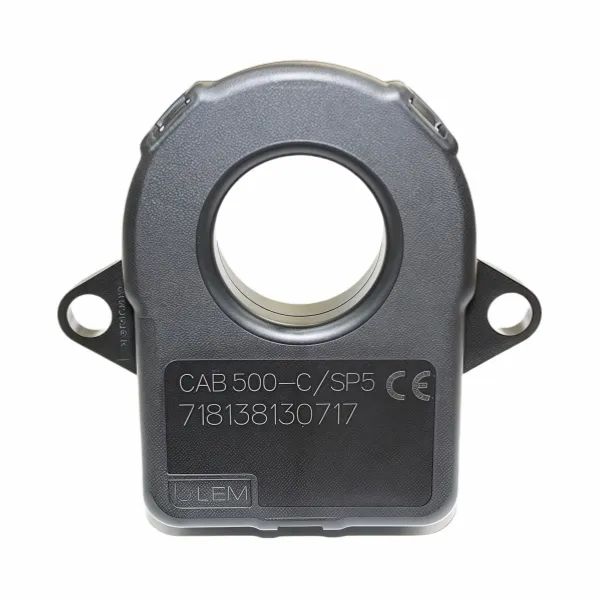
One of the great current sensors we offer is the LEM CAB500C 12V CAB500 Current Sensor. This sensor is built with advanced technology that helps it resist magnetic field interference. It's suitable for a wide range of applications, from battery management systems to power distribution units.
In addition to using high - quality sensors, we also provide our customers with advice on how to install and use the sensors to minimize magnetic field interference. We understand that every application is different, so we work closely with our customers to find the best solutions for their specific needs.
If you're in the market for a current sensor and are worried about magnetic field interference, don't hesitate to reach out. We've got the expertise and the products to help you get accurate current measurements, no matter what the environment. Whether you're an engineer working on a new project or a maintenance technician looking to replace an old sensor, we can offer you the right solution.
Magnetic field interference on a current sensor is a real issue that can cause a lot of problems. But with the right sensors and proper installation techniques, we can overcome this challenge. As a supplier, I'm committed to providing you with the best products and support to ensure that your current measurement needs are met accurately and reliably. So, if you're interested in learning more about our current sensors or have any questions about magnetic field interference, just get in touch, and we'll be happy to assist you.
References
- "Electromagnetic Compatibility Engineering" by Henry W. Ott
- "Fundamentals of Electric Circuits" by Charles K. Alexander and Matthew N. O. Sadiku