

In the dynamic landscape of energy storage, Nickel Cobalt Manganese (NCM) battery cells have emerged as a cornerstone technology, powering a wide array of applications from electric vehicles to portable electronics. As a leading supplier of NCM battery cells, I've witnessed firsthand the critical role that temperature plays in determining the performance and longevity of these energy storage solutions. In this blog post, I'll delve into the intricate relationship between temperature and the self-discharge rate of NCM battery cells, exploring the underlying mechanisms, practical implications, and strategies for optimizing performance.
Understanding Self-Discharge in NCM Battery Cells
Before we dive into the impact of temperature, let's first understand what self-discharge is and why it matters. Self-discharge refers to the gradual loss of charge that occurs in a battery even when it is not connected to a load. This phenomenon is an inherent characteristic of all battery chemistries, including NCM. While a certain amount of self-discharge is inevitable, excessive self-discharge can significantly reduce the available energy and shelf life of the battery.
In NCM battery cells, self-discharge primarily occurs due to internal chemical reactions within the battery. These reactions can be influenced by a variety of factors, including the battery's state of charge, age, and temperature. Understanding how temperature affects these reactions is crucial for managing the self-discharge rate and ensuring optimal battery performance.
The Impact of Temperature on Self-Discharge Rate
Temperature has a profound impact on the self-discharge rate of NCM battery cells. Generally speaking, as the temperature increases, the self-discharge rate also increases. This is because higher temperatures accelerate the chemical reactions within the battery, leading to more rapid degradation of the active materials and a faster loss of charge.
At low temperatures, the self-discharge rate of NCM battery cells is relatively low. This is because the chemical reactions within the battery slow down, reducing the rate of charge loss. However, extremely low temperatures can also have a negative impact on battery performance, as they can increase the internal resistance of the battery and reduce its ability to deliver power.
Conversely, at high temperatures, the self-discharge rate of NCM battery cells can increase significantly. This is due to several factors, including increased electrolyte conductivity, enhanced chemical reactivity, and accelerated degradation of the battery's electrodes. High temperatures can also cause the formation of solid electrolyte interphase (SEI) layers on the electrodes, which can further increase the self-discharge rate and reduce the battery's overall performance.
Practical Implications for NCM Battery Users
The impact of temperature on the self-discharge rate of NCM battery cells has several practical implications for users. For example, in applications where batteries are stored for long periods of time, such as in backup power systems or electric vehicles that are not in use, high temperatures can lead to significant charge loss and reduced battery life. This can result in increased maintenance costs and reduced reliability.
In addition, high temperatures can also affect the performance of NCM battery cells during operation. For example, in electric vehicles, high temperatures can cause the battery to overheat, which can reduce its power output and range. This can be particularly problematic in hot climates or during extended periods of high-speed driving.
To mitigate the impact of temperature on the self-discharge rate of NCM battery cells, it is important to store and operate the batteries within the recommended temperature range. This typically ranges from -20°C to 60°C, although the specific range may vary depending on the battery manufacturer and the application.
Strategies for Optimizing Battery Performance
As a supplier of NCM battery cells, I recommend several strategies for optimizing battery performance and minimizing the impact of temperature on the self-discharge rate. These include:
- Temperature Management: Implementing effective temperature management systems, such as cooling or heating systems, can help maintain the battery within the recommended temperature range. This can significantly reduce the self-discharge rate and extend the battery's lifespan.
- Proper Storage: When storing NCM battery cells, it is important to keep them in a cool, dry place. Avoid exposing the batteries to extreme temperatures or humidity, as this can accelerate the self-discharge rate and reduce the battery's performance.
- Regular Maintenance: Regularly checking the state of charge and health of the battery can help identify any issues early on and take appropriate action. This can include recharging the battery, replacing any damaged components, or adjusting the temperature management system.
- Selecting the Right Battery: When choosing NCM battery cells for a specific application, it is important to consider the operating temperature range and the expected self-discharge rate. Selecting a battery with a lower self-discharge rate and a wider operating temperature range can help ensure optimal performance and reliability.
Our NCM Battery Cell Offerings
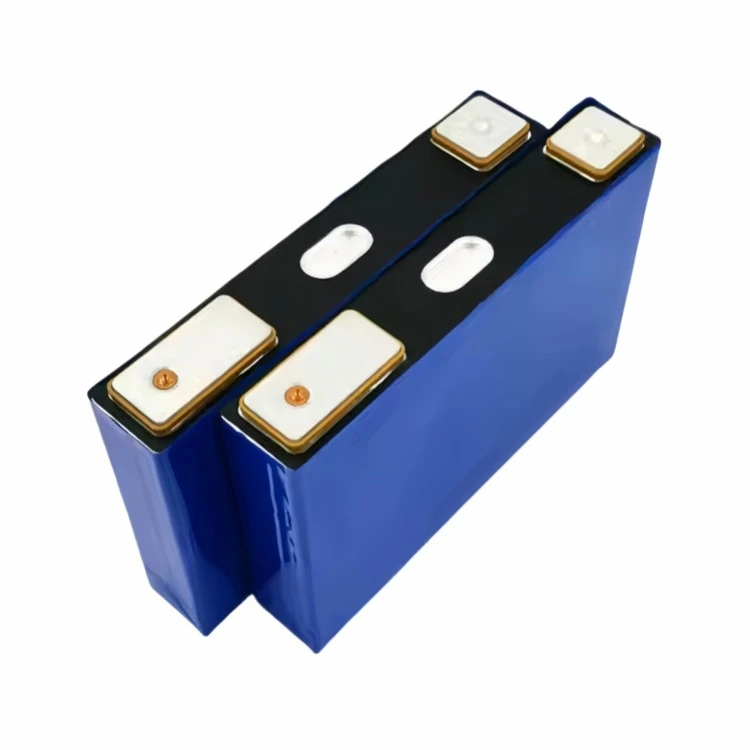
At our company, we offer a wide range of high-quality NCM battery cells that are designed to meet the diverse needs of our customers. Our 3.7V 147Ah NCM Lithium Ion Battery is a powerful and reliable energy storage solution that is suitable for a variety of applications, including electric vehicles, renewable energy systems, and backup power. With its high energy density and low self-discharge rate, this battery offers excellent performance and long-term reliability.
In addition, we also offer the Prismatic 3.73V 58Ah NCM Lithium Ion Battery Cell and the Prismatic 3.65V 55Ah NCM Lithium Ion Battery Cell, which are both designed for high-performance applications. These batteries feature a prismatic design, which provides excellent thermal management and mechanical stability, making them ideal for use in demanding environments.
Conclusion
In conclusion, temperature has a significant impact on the self-discharge rate of NCM battery cells. Understanding this relationship is crucial for managing battery performance and ensuring optimal energy storage solutions. By implementing effective temperature management strategies, proper storage practices, and regular maintenance, users can minimize the impact of temperature on the self-discharge rate and extend the lifespan of their NCM battery cells.

As a leading supplier of NCM battery cells, we are committed to providing our customers with high-quality products and innovative solutions that meet their specific needs. If you are interested in learning more about our NCM battery cell offerings or have any questions about temperature management and self-discharge, please feel free to contact us. We look forward to working with you to find the best energy storage solution for your application.
References
- Tarascon, J.-M., & Armand, M. (2001). Issues and challenges facing rechargeable lithium batteries. Nature, 414(6861), 359-367.
- Goodenough, J. B., & Kim, Y. (2010). Challenges for rechargeable Li batteries. Chemistry of Materials, 22(3), 587-603.
- Chen, Z., Liu, X., & Yang, J. (2012). Electrochemical impedance spectroscopy of lithium-ion batteries. Journal of Power Sources, 218, 119-129.