

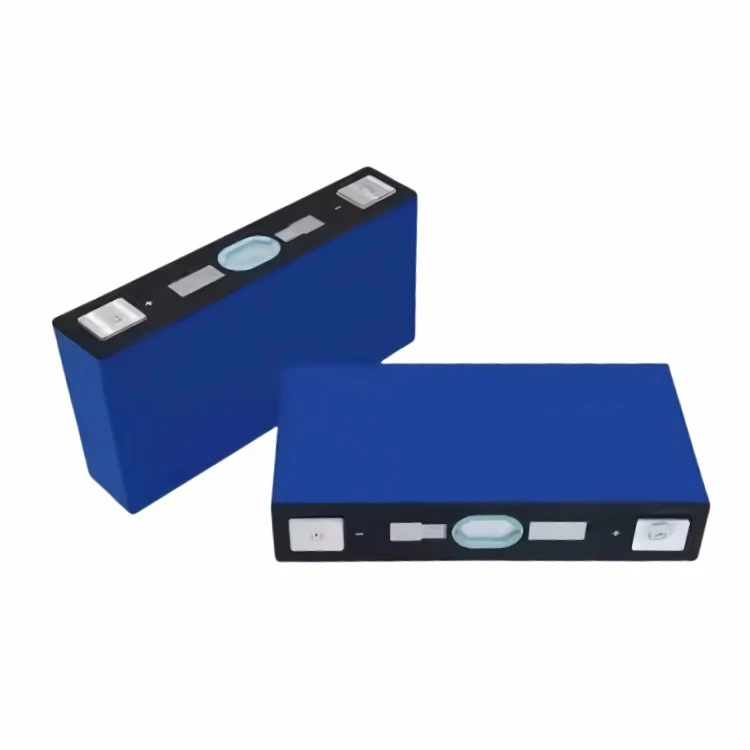
As a supplier of 3.67V 78Ah NCM Lithium Ion Batteries, I've received numerous inquiries about the heat dissipation requirements for these powerhouses. In this blog post, I'll delve into the science behind heat generation in NCM lithium-ion batteries, the criticality of proper heat dissipation, and the specific requirements for our 3.67V 78Ah NCM batteries.
Understanding Heat Generation in NCM Lithium-Ion Batteries
Lithium-ion batteries, especially those with a Nickel Cobalt Manganese (NCM) cathode, are known for their high energy density and excellent performance. However, like all electrochemical devices, they generate heat during operation. This heat generation stems from several sources:
- Internal Resistance: When current flows through the battery, the internal resistance of the electrodes, electrolyte, and other components causes Joule heating. This is a fundamental consequence of Ohm's law (P = I²R), where P is the power dissipated as heat, I is the current, and R is the resistance.
- Electrochemical Reactions: The charging and discharging processes involve complex electrochemical reactions at the electrodes. These reactions are not 100% efficient, and some of the energy is released as heat. For example, during charging, lithium ions are inserted into the cathode material, and this process can generate heat due to the energy changes associated with the chemical reactions.
- Overcharging and Overdischarging: Operating the battery outside its recommended voltage range can lead to excessive heat generation. Overcharging can cause the decomposition of the electrolyte and the formation of a solid electrolyte interphase (SEI) layer, which can generate heat. Overdischarging, on the other hand, can lead to the formation of metallic lithium on the anode, which is highly reactive and can cause thermal runaway.
The Importance of Proper Heat Dissipation
Excessive heat can have detrimental effects on the performance, safety, and lifespan of NCM lithium-ion batteries. Here's why proper heat dissipation is crucial:

- Performance Degradation: High temperatures can increase the internal resistance of the battery, reducing its efficiency and power output. This can lead to a decrease in the battery's capacity and voltage, resulting in reduced performance in applications such as electric vehicles and portable electronics.
- Safety Risks: Elevated temperatures can trigger thermal runaway, a self - sustaining reaction that can lead to battery failure, fire, or even explosion. Thermal runaway occurs when the heat generated within the battery exceeds the rate at which it can be dissipated, causing the temperature to rise uncontrollably.
- Lifespan Reduction: Continuous exposure to high temperatures can accelerate the degradation of the battery's electrodes and electrolyte, leading to a shorter lifespan. The SEI layer, which is essential for the stability of the battery, can be damaged at high temperatures, leading to increased internal resistance and capacity loss over time.
Heat Dissipation Requirements for 3.67V 78Ah NCM Lithium Ion Batteries
Our 3.67V 78Ah NCM Lithium Ion Batteries are designed to operate within a specific temperature range to ensure optimal performance and safety. The recommended operating temperature for these batteries is typically between -20°C and 60°C. However, to maintain long - term performance and safety, it's crucial to keep the battery temperature within a more narrow range, preferably between 20°C and 40°C.
To achieve this, the following heat dissipation requirements should be met:
- Thermal Management System: A well - designed thermal management system is essential for dissipating heat from the battery. This can include passive cooling methods such as heat sinks and thermal pads, or active cooling methods such as liquid cooling or forced air cooling. For our 3.67V 78Ah NCM batteries, a liquid cooling system is often recommended for high - power applications, as it can provide more efficient heat dissipation compared to passive methods.
- Ventilation: Adequate ventilation is necessary to remove heat from the battery enclosure. This can be achieved through the use of vents or fans. The ventilation system should be designed to ensure that the air flow is sufficient to carry away the heat generated by the battery.
- Monitoring and Control: Continuous monitoring of the battery temperature is crucial to ensure that it remains within the recommended range. Temperature sensors can be installed within the battery pack to provide real - time temperature data. If the temperature exceeds the safe limit, the charging or discharging process can be adjusted or stopped to prevent thermal runaway.
Comparison with Other NCM Lithium Ion Batteries
To better understand the heat dissipation requirements of our 3.67V 78Ah NCM Lithium Ion Batteries, let's compare them with other similar products. For example, the 3.7V 147Ah NCM Lithium Ion Battery has a higher capacity and may generate more heat during operation. As a result, it may require a more robust thermal management system to ensure proper heat dissipation.
On the other hand, the Prismatic 3.65V 55Ah NCM Lithium Ion Battery Cell has a lower capacity and may generate less heat. However, it still requires proper heat dissipation to maintain its performance and safety.
Conclusion
Proper heat dissipation is essential for the performance, safety, and lifespan of our 3.67V 78Ah NCM Lithium Ion Batteries. By understanding the sources of heat generation, the importance of heat dissipation, and the specific requirements for these batteries, you can ensure that they operate optimally in your applications.
If you're interested in purchasing our 3.67V 78Ah NCM Lithium Ion Batteries or have any questions about their heat dissipation requirements, please feel free to contact us for a detailed discussion and procurement negotiation. We're committed to providing high - quality products and professional technical support to meet your needs.
References
- Linden, D., & Reddy, T. B. (2002). Handbook of Batteries. McGraw - Hill.
- Goodenough, J. B., & Kim, Y. (2010). Challenges for rechargeable Li batteries. Chemistry of Materials, 22(3), 587 - 603.
- Chen, Z., Liu, X., & Tan, C. (2017). Thermal management of lithium - ion batteries for electric and hybrid electric vehicles: A review. Renewable and Sustainable Energy Reviews, 77, 303 - 316.