

Hey there! As a supplier of NCM battery cells, I often get asked about the cycle life of these little powerhouses. So, I thought I'd sit down and write a blog post to share what I know.
First off, let's talk about what NCM battery cells are. NCM stands for Nickel Cobalt Manganese, which are the three key metals used in the cathode of these lithium-ion batteries. These batteries are known for their high energy density, good power performance, and relatively long cycle life compared to some other battery chemistries.
But what exactly is cycle life? In simple terms, the cycle life of a battery refers to the number of charge-discharge cycles it can go through before its capacity drops to a certain percentage of its original capacity, usually 80%. For example, if a battery starts with a capacity of 100Ah and after a certain number of cycles, its capacity drops to 80Ah, that's when we say it has reached the end of its useful cycle life.
The cycle life of NCM battery cells can vary quite a bit depending on several factors. One of the most important factors is the depth of discharge (DOD). DOD is the percentage of the battery's capacity that is used during each discharge cycle. If you always fully discharge the battery (100% DOD), it will generally have a shorter cycle life compared to if you only discharge it partially, say 20% or 30% DOD.
Let me give you an example. Our 3.67V 78Ah NCM Lithium Ion Battery can have a cycle life of over 1000 cycles at a 80% DOD. But if you use it at a 30% DOD, you can expect it to go through well over 2000 cycles. This is because deep discharges put more stress on the battery's internal components, causing them to degrade faster.

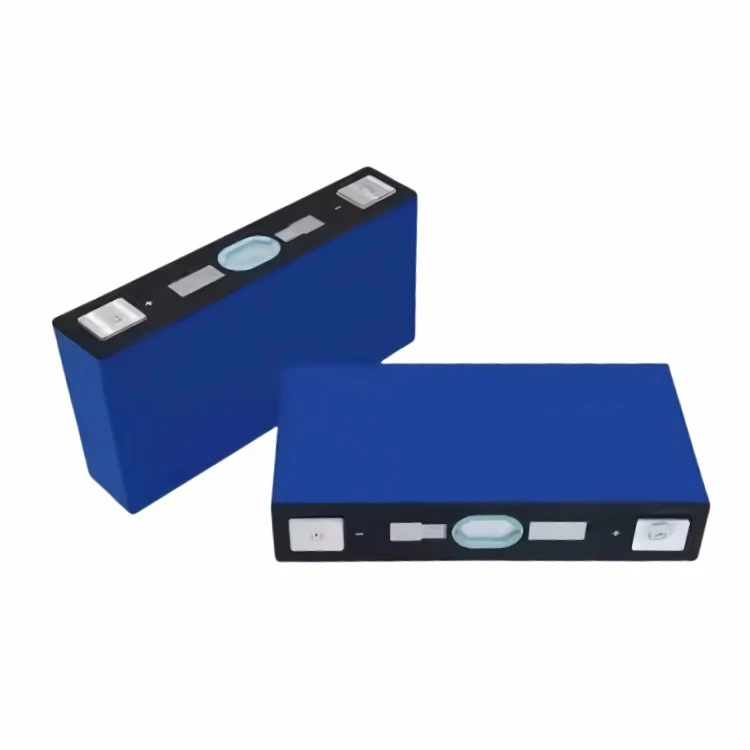
Another factor that affects cycle life is the charging rate. Charging the battery too quickly can generate a lot of heat, which can also accelerate the degradation of the battery. On the other hand, slow charging is generally better for the battery's longevity. For instance, our Prismatic 3.65V 55Ah NCM Lithium Ion Battery Cell is designed to be charged at a moderate rate to ensure a longer cycle life.
Temperature also plays a crucial role. NCM battery cells perform best within a certain temperature range, usually between 20°C and 40°C. If the battery is exposed to extremely high or low temperatures, it can have a negative impact on its cycle life. High temperatures can speed up the chemical reactions inside the battery, leading to faster degradation, while low temperatures can reduce the battery's performance and capacity.
The quality of the materials used in the battery also matters. At our company, we use high - quality nickel, cobalt, and manganese in our NCM battery cells. We also pay close attention to the manufacturing process to ensure that each battery cell meets strict quality standards. This helps to improve the overall cycle life and performance of our batteries. For example, our 3.7V 147Ah NCM Lithium Ion Battery is made with top - notch materials and advanced manufacturing techniques, which gives it a relatively long cycle life.
So, why is cycle life important? Well, if you're using NCM battery cells in an application like an electric vehicle or a solar energy storage system, a longer cycle life means you won't have to replace the batteries as often. This can save you a lot of money in the long run. It also means less waste and a more sustainable solution.
If you're in the market for NCM battery cells, it's important to consider the cycle life along with other factors like energy density, power output, and cost. We offer a wide range of NCM battery cells with different capacities and specifications to meet your specific needs. Whether you need a small battery for a portable device or a large battery for an industrial application, we've got you covered.
If you're interested in learning more about our NCM battery cells or have any questions about cycle life or other aspects of battery performance, feel free to reach out to us. We'd be more than happy to have a chat and help you find the right battery solution for your project.
In conclusion, the cycle life of NCM battery cells is influenced by multiple factors, including DOD, charging rate, temperature, and material quality. By understanding these factors, you can make informed decisions when choosing NCM battery cells for your applications. And if you're looking for high - quality NCM battery cells with a long cycle life, we're here to assist you.
References:
- Battery University: A great resource for all things related to battery technology and performance.
- Journal of Power Sources: Contains research papers on the latest developments in battery technology, including NCM battery cells.