

Yo, fellow boating enthusiasts! As a marine battery supplier, I get asked all the time, "What's the charging time for a marine battery?" Well, it's not a one - size - fits - all answer, and in this blog, I'm gonna break it down for you.

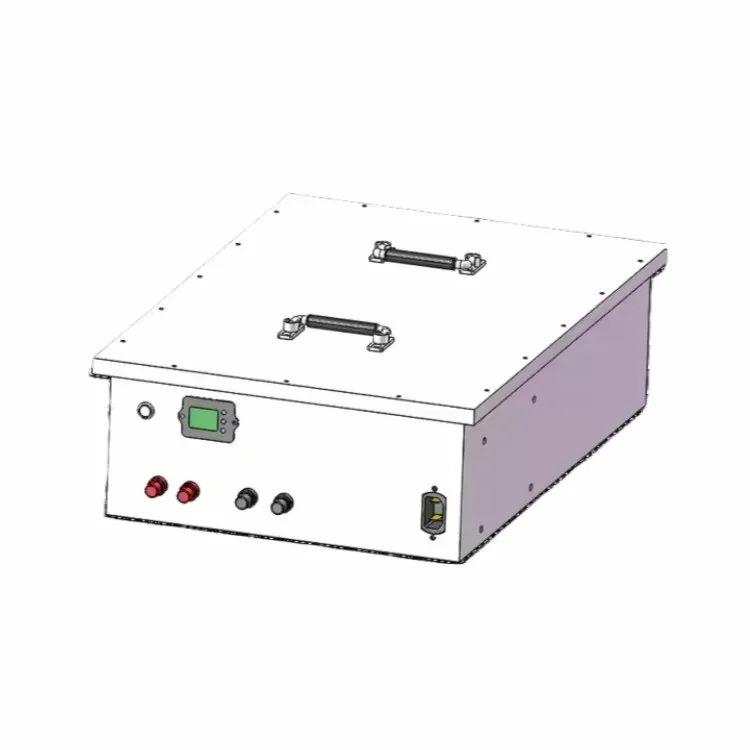
First off, let's talk about the types of marine batteries out there. We've got lead - acid batteries, which are the old - school choice, and lithium - ion batteries, which are the new kids on the block. Each type has its own charging characteristics.
Lead - Acid Marine Batteries
Lead - acid batteries come in two main flavors: flooded and sealed (AGM or gel). Flooded lead - acid batteries are the cheapest option, but they need more maintenance. Sealed ones are more expensive but require less upkeep.
The charging time for lead - acid batteries depends on a few factors. The most important one is the charger's output current. Most standard chargers for lead - acid marine batteries have an output current of around 10 - 20 amps. Let's say you've got a 100 - amp - hour lead - acid battery. If you're using a 10 - amp charger, in theory, it should take about 10 hours to fully charge the battery (100Ah / 10A = 10h). But in reality, it'll take longer because as the battery charges, its internal resistance increases, and the charging efficiency drops. You can expect it to take around 12 - 15 hours to get a full charge.
Another factor is the state of discharge of the battery. If your battery is only partially discharged, say 50%, it'll take less time to charge compared to a fully discharged one. Also, lead - acid batteries shouldn't be charged too quickly. Overcharging can cause the battery to overheat and reduce its lifespan. That's why slow and steady charging is usually the way to go with these batteries.
Lithium - Ion Marine Batteries
Now, let's move on to lithium - ion batteries. These are becoming more and more popular in the marine world because they're lighter, have a longer lifespan, and can handle deeper discharges.
Lithium - ion batteries can be charged much faster than lead - acid batteries. They can handle higher charging currents without overheating. For example, a lithium - ion battery with a capacity of 100 amp - hours can often be charged with a 30 - 50 amp charger. Using a 50 - amp charger, that 100 - amp - hour lithium - ion battery could be fully charged in just 2 hours (100Ah / 50A = 2h).
But again, it's not that simple. Lithium - ion batteries have a charging profile that needs to be followed. They usually have a constant - current phase followed by a constant - voltage phase. During the constant - current phase, the charger pumps in a high current to quickly charge the battery up to a certain voltage. Then, in the constant - voltage phase, the charger reduces the current to finish off the charge and prevent overcharging.
Let's take a look at some of the specific marine batteries we offer. Check out our 72V 100Ah Marine Battery. This bad boy is a lithium - ion battery that offers high energy density and long - lasting performance. The charging time for this battery will depend on the charger you use, but with a high - power charger, you can get it charged up relatively quickly.
Another great option is our 25.6V 210Ah Lithium Battery Pack for Electric Boats. This battery pack is designed specifically for electric boats, and it can handle the demands of marine use. The charging time for this pack will vary based on the charger's current, but you can expect it to charge faster than a comparable lead - acid battery.
And then there's our 24V 90Ah LiFePO4 Battery with RS485. LiFePO4 batteries are a type of lithium - ion battery known for their safety and long cycle life. With the right charger, you can get this battery charged up in a reasonable amount of time.
Other Factors Affecting Charging Time
Apart from the battery type and charger current, there are a few other things that can affect the charging time. Temperature plays a big role. Batteries charge more efficiently at moderate temperatures. In cold weather, the chemical reactions inside the battery slow down, and it takes longer to charge. On the other hand, in extremely hot weather, the battery can overheat if charged too quickly.
The age of the battery also matters. As a battery gets older, its internal resistance increases, and it takes longer to charge. You might notice that an old battery that used to charge in a certain amount of time now takes much longer.
Tips to Reduce Charging Time
If you're looking to reduce the charging time of your marine battery, here are a few tips. First, invest in a high - quality charger with a high output current. Make sure it's compatible with your battery type. Second, try to keep your battery at a moderate temperature during charging. You can use a battery warmer in cold weather or a cooling system in hot weather.
Also, don't let your battery get too deeply discharged. The deeper the discharge, the longer it'll take to charge. Try to recharge your battery as soon as possible after use.
Conclusion
So, to sum it up, the charging time for a marine battery depends on the battery type, charger current, state of discharge, temperature, and battery age. Lead - acid batteries generally take longer to charge compared to lithium - ion batteries. But with the right charger and proper care, you can minimize the charging time and keep your battery in top shape.
If you're in the market for a new marine battery or have any questions about charging times, feel free to reach out. We're here to help you find the best battery for your needs and make sure you get the most out of it. Whether you're a weekend boater or a professional sailor, having a reliable battery is crucial for a great boating experience. So, don't hesitate to contact us for more information and to start the procurement negotiation process.
References
- Battery University: A comprehensive resource for battery knowledge.
- Marine Electrical Systems Manual: A guide for understanding marine electrical components.