

What is the aging rate of a 72V 100Ah marine battery?
As a supplier of 72V 100Ah marine batteries, I often get asked about the aging rate of these power - sources. Understanding the aging rate is crucial for boat owners and operators, as it directly impacts the battery's performance, lifespan, and overall cost - effectiveness.
Understanding Battery Aging
Battery aging is a natural process that occurs over time and with use. It is characterized by a gradual decline in the battery's capacity, which means it can store less energy as it ages. For a 72V 100Ah marine battery, this could translate into reduced running time for the boat's electrical systems, such as lights, navigation equipment, and motors.
There are several factors that contribute to the aging rate of a marine battery. One of the primary factors is the number of charge - discharge cycles. Every time a battery is charged and then discharged, it experiences a certain amount of wear and tear. For lithium - ion batteries, which are commonly used in marine applications, the number of cycles can significantly affect the aging rate. A high - quality lithium - ion battery can typically withstand several thousand charge - discharge cycles before its capacity drops to a critical level.
Another important factor is the operating temperature. Marine batteries are often exposed to a wide range of temperatures, from the cold of early morning to the heat of mid - day. High temperatures can accelerate the chemical reactions inside the battery, leading to faster aging. On the other hand, extremely low temperatures can reduce the battery's performance and also contribute to long - term damage.
The depth of discharge (DOD) also plays a role in the aging rate. If a battery is regularly discharged to a very low level, it can cause more stress on the battery cells and lead to faster aging. For example, if a 72V 100Ah marine battery is frequently discharged to 80% or more of its capacity, it will age faster than if it is only discharged to 20 - 30%.
Measuring the Aging Rate
To measure the aging rate of a 72V 100Ah marine battery, we typically look at the battery's capacity retention over time. This is usually expressed as a percentage. For instance, if a new battery has a capacity of 100Ah and after a certain number of cycles and a period of use, its capacity drops to 90Ah, the capacity retention is 90%.
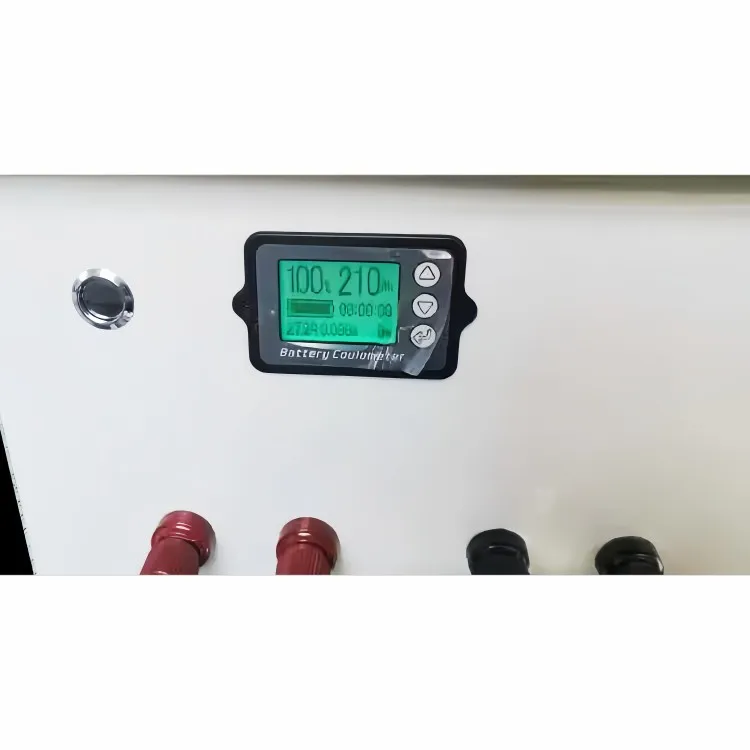
We can also use battery management systems (BMS) to monitor the battery's health. A BMS can provide real - time information about the battery's state of charge, temperature, and other parameters. By analyzing this data over time, we can estimate the aging rate and predict when the battery may need to be replaced.

Impact of Aging on Marine Operations
The aging of a marine battery can have significant implications for boat owners. As the battery's capacity decreases, the boat may experience reduced performance. For example, electric boats may have a shorter range, and the electrical systems on board may not function as well. This can be a safety concern, especially when navigating in remote areas or during adverse weather conditions.
In addition, an aging battery may require more frequent charging, which can be inconvenient and time - consuming. It may also lead to higher energy costs, as the battery may not be as efficient at storing and releasing energy.
Strategies to Reduce the Aging Rate
There are several strategies that boat owners can use to reduce the aging rate of their 72V 100Ah marine battery. First, they should try to avoid over - discharging the battery. This can be achieved by using a battery monitor to keep track of the state of charge and by not relying too heavily on the battery for extended periods without recharging.
Proper temperature management is also essential. If possible, the battery should be stored and operated in a temperature - controlled environment. This can help to slow down the chemical reactions inside the battery and extend its lifespan.
Regular maintenance is another key factor. This includes checking the battery's connections for corrosion, ensuring that the battery is properly charged and discharged, and following the manufacturer's recommendations for use and storage.
Our 72V 100Ah Marine Battery
At our company, we offer high - quality 72V 100Ah marine batteries that are designed to have a slow aging rate. Our batteries are made with advanced lithium - ion technology, which provides a high energy density and a long cycle life. We also incorporate a sophisticated battery management system that helps to optimize the battery's performance and protect it from over - charging, over - discharging, and high temperatures.
In addition to our 72V 100Ah marine battery, we also offer other products such as the 24V 90Ah LiFePO4 Battery with RS485 and the 25.6V 210Ah Lithium Battery Pack for Electric Boats. These products are also designed with the same high - quality standards and are suitable for a variety of marine applications.
Contact for Procurement
If you are interested in our 72V 100Ah Marine Battery or any of our other marine battery products, we encourage you to reach out to us for procurement and further discussion. We have a team of experts who can provide you with detailed information about our products, including their specifications, performance, and pricing. We are committed to providing the best solutions for your marine power needs.
References
- Linden, D., & Reddy, T. B. (2002). Handbook of Batteries. McGraw - Hill.
- Tarascon, J. M., & Armand, M. (2001). Issues and challenges facing rechargeable lithium batteries. Nature, 414(6861), 359 - 367.
- Doughty, D. H., & Capasso, C. (2004). Lithium - ion battery aging mechanisms and calendar life predictions. Journal of Power Sources, 134(1), 166 - 172.