

Sodium battery cells have emerged as a promising alternative to lithium - ion batteries in recent years, thanks to the abundance of sodium resources and their potential for cost - effective energy storage solutions. As a sodium battery cell supplier, I am excited to share with you the different types of sodium battery cells available in the market.
1. Sodium - Ion Batteries
Sodium - ion batteries (SIBs) are one of the most well - known types of sodium battery cells. Similar in concept to lithium - ion batteries, SIBs operate by the movement of sodium ions between the anode and the cathode during charge and discharge cycles.
The cathode materials for SIBs can vary widely. Some common cathode materials include sodium transition metal oxides, such as sodium nickel manganese cobalt oxides (NaNMC). These materials offer high energy density and relatively good cycling stability. For example, NaNMC cathodes can provide a decent voltage output and capacity, making them suitable for various applications, from small - scale portable devices to large - scale energy storage systems.
The anode materials in SIBs also play a crucial role. Hard carbon is a popular choice for the anode in sodium - ion batteries. It has a relatively high capacity for sodium ion intercalation and can provide stable cycling performance. During the charging process, sodium ions are inserted into the hard - carbon anode, and during discharge, they are released back to the cathode.
Sodium - ion batteries have several advantages. First, sodium is much more abundant than lithium, which means that SIBs have the potential to be more cost - effective in the long run. Second, SIBs can operate in a wide temperature range, making them suitable for different environmental conditions. However, they also face some challenges, such as lower energy density compared to lithium - ion batteries and relatively poor cycling performance in some cases.
If you are interested in high - capacity sodium - ion battery cells, you can check out our 3.0V 200Ah NA Sodium Ion Battery Cells. These cells are designed to provide reliable energy storage for various applications, with a high capacity that can meet the needs of large - scale projects.
2. Sodium - Sulfur Batteries
Sodium - sulfur (Na - S) batteries are another important type of sodium battery cell. These batteries typically operate at high temperatures, usually around 300 - 350°C. At these temperatures, sodium and sulfur are in a molten state, and the battery can function efficiently.
The basic structure of a Na - S battery consists of a molten sodium anode, a solid ceramic electrolyte (usually beta - alumina), and a molten sulfur cathode. During the discharge process, sodium ions pass through the solid electrolyte and react with sulfur to form sodium polysulfides. During charging, the reverse reaction occurs, and sodium and sulfur are regenerated.
One of the main advantages of Na - S batteries is their high energy density. They can store a large amount of energy per unit mass or volume, making them suitable for grid - scale energy storage applications. For example, they can be used to store excess electricity generated from renewable energy sources, such as wind and solar, and release it when needed.
However, Na - S batteries also have some limitations. The high operating temperature requires additional heating equipment, which increases the cost and complexity of the battery system. Moreover, the use of molten sodium and sulfur poses safety risks, such as the potential for leakage and fire if the battery is damaged.
3. Sodium - Air Batteries
Sodium - air (Na - air) batteries are a relatively new and promising type of sodium battery cell. These batteries use sodium as the anode and oxygen from the air as the cathode. The basic principle is similar to that of lithium - air batteries.
During the discharge process, sodium at the anode is oxidized to form sodium ions, which then react with oxygen from the air at the cathode to form sodium peroxide or sodium superoxide. During charging, the reverse reaction occurs, and sodium and oxygen are regenerated.
One of the most significant advantages of Na - air batteries is their extremely high theoretical energy density. In theory, they can provide much higher energy storage capabilities compared to other types of batteries, including lithium - ion batteries. This makes them a potential candidate for electric vehicle applications, where high - energy - density batteries are highly desirable.
However, Na - air batteries also face many challenges. One of the main issues is the stability of the cathode and the electrolyte. The reaction between sodium and oxygen can produce by - products that can degrade the battery performance over time. Additionally, the presence of moisture and carbon dioxide in the air can also affect the battery's performance and lifespan.
4. Cylindrical Sodium - Ion Batteries for EVs
In the field of electric vehicles (EVs), cylindrical sodium - ion batteries are gaining increasing attention. These batteries are designed to meet the specific requirements of EVs, such as high power density, long cycle life, and good safety performance.
Our Cylindrical 3.2V 10Ah EV Sodium Ion Battery is a great example of this type of battery. The cylindrical design provides several advantages. First, it is a well - established form factor in the battery industry, which means that it can be easily integrated into existing EV battery packs. Second, the cylindrical shape allows for efficient heat dissipation, which is crucial for maintaining the battery's performance and safety during high - power operation.

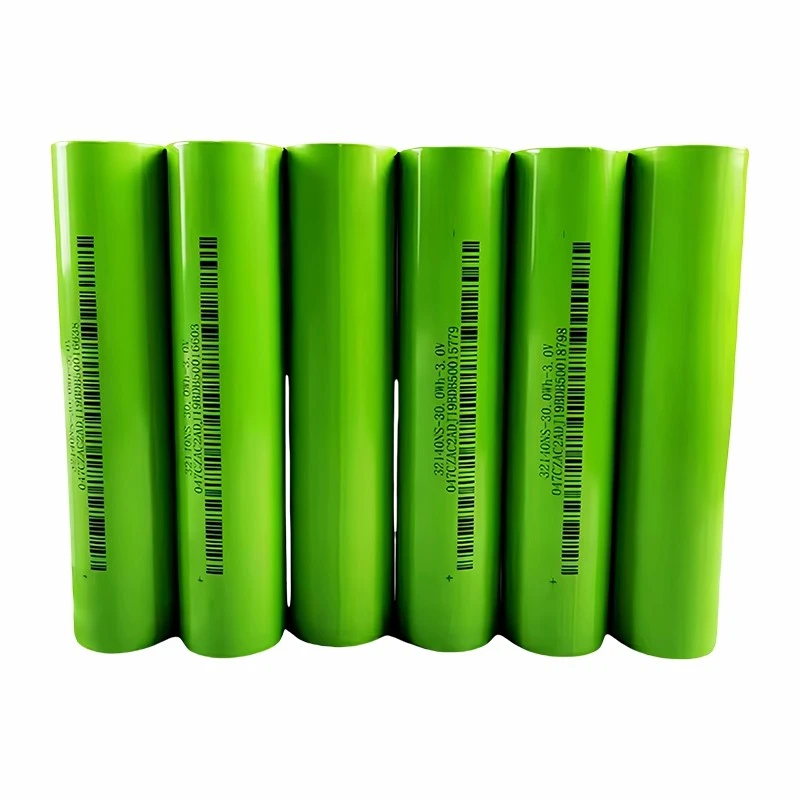
Cylindrical sodium - ion batteries for EVs are typically optimized in terms of their cathode and anode materials, electrolyte, and cell design. For example, advanced cathode materials are used to increase the energy density and power output of the battery, while the electrolyte is formulated to provide good ionic conductivity and stability.
Applications of Different Sodium Battery Cells
Each type of sodium battery cell has its own unique characteristics, which make them suitable for different applications.
Sodium - ion batteries are well - suited for a wide range of applications, including portable electronics, small - scale energy storage systems, and electric bicycles. Their relatively low cost and decent performance make them an attractive option for these applications.
Sodium - sulfur batteries are mainly used for grid - scale energy storage. Their high energy density and ability to store large amounts of energy make them ideal for balancing the electricity supply and demand on the power grid.
Sodium - air batteries, although still in the research and development stage, have the potential to revolutionize the electric vehicle industry if the technical challenges can be overcome. Their high theoretical energy density could significantly increase the driving range of electric vehicles.
Cylindrical sodium - ion batteries for EVs are specifically designed to power electric vehicles. They offer a good combination of power density, cycle life, and safety, which are essential for the reliable operation of EVs.
Why Choose Our Sodium Battery Cells
As a sodium battery cell supplier, we are committed to providing high - quality products. Our sodium battery cells are manufactured using advanced production processes and strict quality control measures. We have a team of experienced researchers and engineers who are constantly working on improving the performance and safety of our products.
We offer a wide range of sodium battery cells to meet the diverse needs of our customers. Whether you need small - capacity cells for portable devices or large - capacity cells for grid - scale energy storage, we have the right solution for you. Our products also come with excellent after - sales service, ensuring that you have a smooth experience using our sodium battery cells.
If you are interested in purchasing sodium battery cells for your specific application, we encourage you to contact us for further discussion. We can provide you with detailed product information, technical support, and competitive pricing. Our goal is to establish long - term partnerships with our customers and contribute to the development of the sodium battery industry.
Conclusion
In conclusion, sodium battery cells come in various types, each with its own advantages and limitations. Sodium - ion batteries, sodium - sulfur batteries, sodium - air batteries, and cylindrical sodium - ion batteries for EVs all have their unique features and potential applications. As a sodium battery cell supplier, we are dedicated to providing high - quality products and excellent service to our customers. If you have any questions or are interested in purchasing our sodium battery cells, please feel free to reach out to us for a detailed discussion. We look forward to working with you to explore the potential of sodium battery technology.
References
- "Sodium - Ion Batteries: Present and Future" by Stefano Passerini et al.
- "High - Temperature Sodium - Sulfur Batteries: Fundamentals, Design, and Applications" by K. M. Abraham.
- "Sodium - Air Batteries: A Review" by X. Lu et al.