

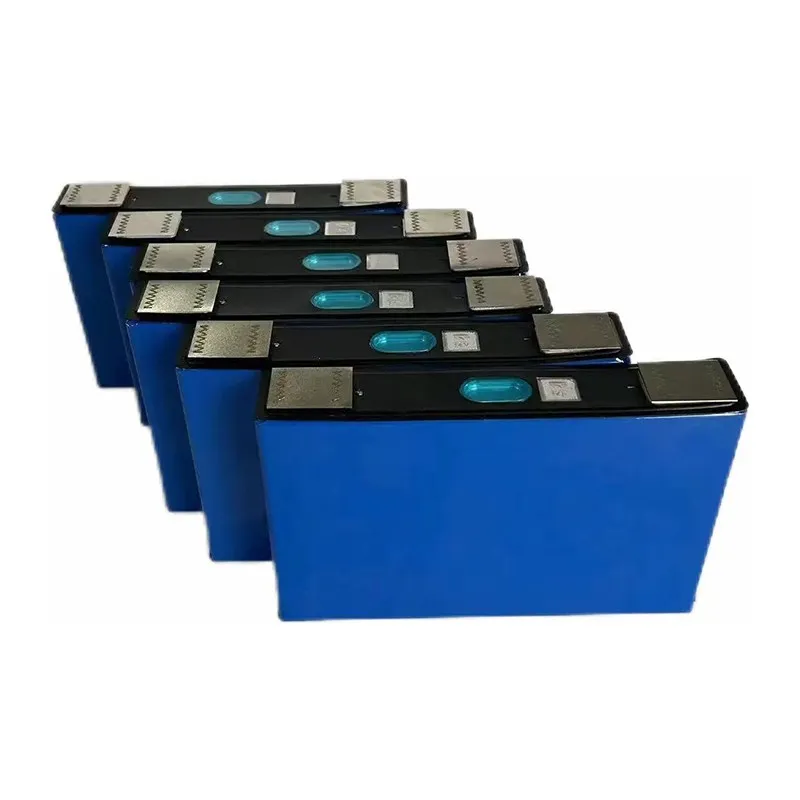
As a supplier of 3.67V 78Ah NCM Lithium Ion Batteries, I've witnessed the increasing demand for these high - performance energy storage solutions. However, with the growing usage of lithium - ion batteries, proper recycling has become an issue of utmost importance. In this blog, I'll share some scientific and practical methods on how to recycle a 3.67V 78Ah NCM Lithium Ion Battery.
Why Recycling NCM Lithium Ion Batteries is Crucial
NCM (Nickel - Cobalt - Manganese) lithium - ion batteries are widely used in various applications, from electric vehicles to portable electronic devices. The materials in these batteries, such as nickel, cobalt, and manganese, are not only valuable but also scarce. Recycling these batteries can help recover these precious metals, reducing the need for new mining and minimizing the environmental impact associated with it.
Moreover, improper disposal of lithium - ion batteries can pose significant risks. Lithium is highly reactive, and if not handled correctly, it can cause fires or explosions. Recycling ensures that these batteries are safely decommissioned and their components are reused in a sustainable manner.

Pre - recycling Assessment
Before starting the recycling process, a thorough assessment of the 3.67V 78Ah NCM Lithium Ion Battery is necessary. First, check the physical condition of the battery. Look for any signs of damage, such as cracks, leaks, or swelling. A damaged battery may require special handling to prevent safety hazards.
Next, measure the state of charge (SOC) of the battery. This can be done using specialized battery testers. A fully charged battery may need to be discharged to a safe level before recycling to avoid potential thermal runaway during the process. For a 3.67V 78Ah NCM Lithium Ion Battery, it's advisable to discharge it to around 20 - 30% of its full capacity.
Discharging the Battery
There are several methods to discharge a 3.67V 78Ah NCM Lithium Ion Battery safely. One common method is to use a resistive load. Connect the battery to a suitable resistor, and the battery will gradually discharge as current flows through the resistor. The resistor value should be chosen carefully to ensure a controlled discharge rate.
Another method is to use a dedicated battery discharger. These devices are designed to discharge batteries at a safe and regulated rate. They can also monitor the battery's voltage and temperature during the discharge process, providing an extra layer of safety.
Disassembly
Once the battery is safely discharged, the next step is disassembly. This process should be carried out in a well - ventilated area, preferably in a glove box filled with an inert gas such as nitrogen to prevent oxidation of the battery components.
Start by removing the outer casing of the battery. This may require the use of specialized tools, such as screwdrivers and pliers. After removing the casing, carefully separate the battery cells from the battery management system (BMS) and other electronic components.
For a 3.67V 78Ah NCM Lithium Ion Battery, the cells are typically connected in series or parallel. Use a soldering iron or a desoldering pump to disconnect the electrical connections between the cells. Be careful not to damage the cells during this process.
Material Recovery
After disassembly, the next goal is to recover the valuable materials from the battery cells. There are mainly two methods for material recovery: pyrometallurgical and hydrometallurgical.
Pyrometallurgical Method
The pyrometallurgical method involves heating the battery materials at high temperatures. In this process, the battery cells are first crushed into small pieces and then heated in a furnace. At high temperatures, the organic components in the battery, such as the electrolyte and the separator, are burned off, and the metals are melted.
The molten metals can then be separated based on their different densities. For example, nickel and cobalt have relatively high densities and will sink to the bottom of the furnace, while lighter metals can be skimmed off the top. This method is efficient for large - scale recycling but requires a significant amount of energy and may produce air pollutants.
Hydrometallurgical Method
The hydrometallurgical method uses chemical solutions to dissolve the metals in the battery cells. First, the crushed battery materials are soaked in an acid solution, such as sulfuric acid or hydrochloric acid. The metals in the battery, including nickel, cobalt, and manganese, will dissolve in the acid solution, forming metal salts.
Next, various separation techniques, such as precipitation, solvent extraction, and ion exchange, are used to separate the different metal salts. For example, by adjusting the pH of the solution, different metals can be selectively precipitated out. This method is more environmentally friendly than the pyrometallurgical method as it produces less air pollution and can recover a higher percentage of the valuable metals.
Reuse of Recovered Materials
The recovered metals from the recycling process can be reused in the production of new batteries. For example, the recovered nickel, cobalt, and manganese can be used to manufacture new NCM cathode materials. This not only reduces the cost of battery production but also helps to close the loop of the battery life cycle.
In addition to battery production, these metals can also be used in other industries. Nickel is widely used in the stainless - steel industry, while cobalt is used in the production of superalloys for aerospace applications.
Our Company's Role and Offer
As a supplier of 3.67V 78Ah NCM Lithium Ion Battery, we are committed to promoting sustainable battery usage and recycling. We can provide you with high - quality 3.67V 78Ah NCM Lithium Ion Batteries that are designed for long - term performance and easy recycling.
We also offer guidance on battery recycling. If you have any questions about recycling your used batteries or need assistance in the recycling process, our team of experts is here to help. In addition to the 3.67V 78Ah NCM Lithium Ion Battery, we also supply other types of NCM lithium - ion batteries, such as the 3.7V 147Ah NCM Lithium Ion Battery and the Prismatic 3.73V 58Ah NCM Lithium Ion Battery Cell.
If you are interested in purchasing our products or learning more about our battery recycling services, please feel free to contact us. We look forward to starting a fruitful business relationship with you.
References
- Dunn, B., Kamath, H., & Tarascon, J. - M. (2011). Electrical energy storage for the grid: A battery of choices. Science, 334(6058), 928 - 935.
- Vetter, J., Novák, P., Wagner, M. R., Veit, C., Möller, K. C., Besenhard, J. O., ... & Winter, M. (2005). Ageing mechanisms in lithium - ion batteries. Journal of Power Sources, 147(1 - 2), 269 - 281.
- Zhang, J. - G. (2006). A review on electrolyte additives for lithium - ion batteries. Journal of Power Sources, 162(2), 1379 - 1394.