

Accurately measuring the voltage of a 3.7V 147Ah NCM Lithium Ion Battery is crucial for various applications, from electric vehicles to energy storage systems. As a supplier of 3.7V 147Ah NCM Lithium Ion Battery, I understand the significance of providing precise voltage measurements to ensure the optimal performance and safety of these batteries. In this blog post, I will share some key insights and techniques on how to measure the voltage of a 3.7V 147Ah NCM Lithium Ion Battery accurately.
Understanding the Basics of NCM Lithium Ion Batteries
Before diving into the measurement techniques, it's essential to have a basic understanding of NCM Lithium Ion Batteries. NCM stands for Nickel-Cobalt-Manganese, which are the three main chemical elements used in the cathode material of these batteries. NCM batteries offer high energy density, long cycle life, and good thermal stability, making them a popular choice for many applications.
The nominal voltage of a single NCM Lithium Ion Battery cell is typically around 3.7V, while the fully charged voltage can reach up to 4.2V. The voltage of the battery will gradually decrease as it discharges, and it's important to monitor the voltage to prevent over-discharging, which can damage the battery and reduce its lifespan.
Factors Affecting Voltage Measurement
Several factors can affect the accuracy of voltage measurement in a 3.7V 147Ah NCM Lithium Ion Battery. These factors include:
- Temperature: The voltage of a lithium-ion battery is temperature-dependent. As the temperature increases, the battery's internal resistance decreases, resulting in a slightly higher voltage. Conversely, at lower temperatures, the internal resistance increases, leading to a lower voltage. It's important to measure the voltage at a stable temperature to ensure accurate results.
- State of Charge (SOC): The voltage of a battery is directly related to its state of charge. As the battery discharges, the voltage will gradually decrease. Therefore, it's crucial to know the SOC of the battery when measuring the voltage to interpret the results correctly.
- Load: The presence of a load on the battery can also affect the voltage measurement. When a load is connected to the battery, it draws current, causing a voltage drop across the internal resistance of the battery. To obtain an accurate open-circuit voltage (OCV), the battery should be disconnected from the load for a sufficient period to allow the voltage to stabilize.
- Measurement Equipment: The accuracy of the measurement equipment used can significantly impact the voltage measurement results. Using high-quality multimeters or battery testers with appropriate resolution and accuracy is essential for obtaining reliable measurements.
Measurement Techniques
There are several methods for measuring the voltage of a 3.7V 147Ah NCM Lithium Ion Battery. Here are some common techniques:

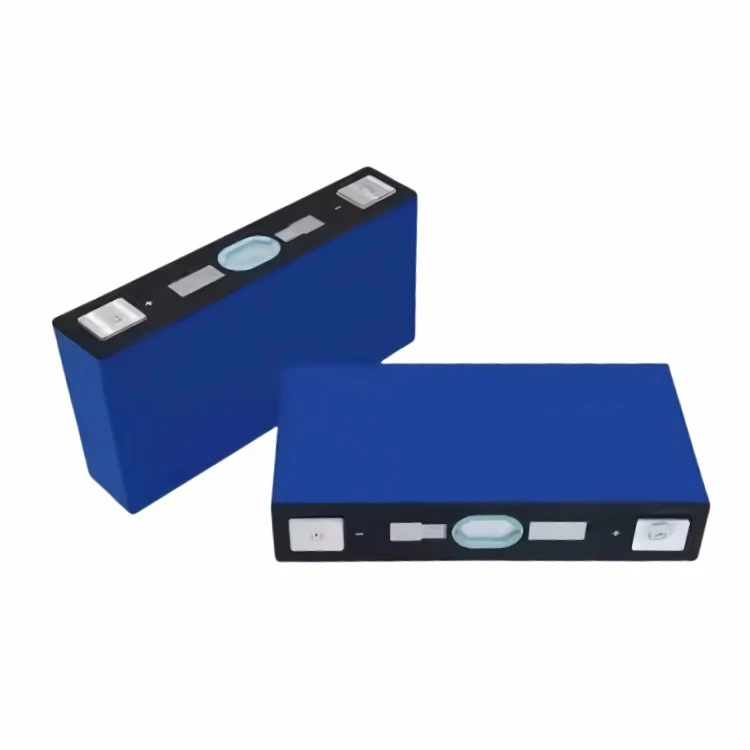
- Using a Multimeter: A multimeter is a versatile tool for measuring voltage, current, and resistance. To measure the voltage of a 3.7V 147Ah NCM Lithium Ion Battery using a multimeter, follow these steps:
- Set the multimeter to the DC voltage mode. Make sure the range is set to a value higher than the expected battery voltage (e.g., 20V).
- Connect the red probe of the multimeter to the positive terminal of the battery and the black probe to the negative terminal.
- Read the voltage value displayed on the multimeter. Make sure the measurement is taken when the battery is at rest and not under load.
- Using a Battery Tester: A battery tester is specifically designed to measure the voltage and state of charge of batteries. These testers often provide more accurate and detailed information than a regular multimeter. To use a battery tester, simply connect the tester to the battery terminals according to the manufacturer's instructions and follow the prompts on the tester to obtain the voltage measurement.
- Using a Data Logger: For long-term monitoring of battery voltage, a data logger can be a useful tool. A data logger can continuously record the voltage of the battery over time, allowing you to analyze the battery's performance and detect any potential issues. To use a data logger, connect it to the battery terminals and configure the logger to record the voltage at regular intervals.
Precautions for Accurate Measurement
To ensure accurate voltage measurement, it's important to take the following precautions:
- Use High-Quality Equipment: Invest in high-quality multimeters, battery testers, or data loggers with appropriate accuracy and resolution. Cheap or low-quality equipment may provide inaccurate readings, leading to incorrect interpretations of the battery's state.
- Allow the Battery to Rest: Before taking a voltage measurement, allow the battery to rest for at least 30 minutes to ensure that the voltage has stabilized. This is especially important after charging or discharging the battery, as the voltage may fluctuate during these processes.
- Measure at a Stable Temperature: As mentioned earlier, temperature can affect the voltage of a lithium-ion battery. Try to measure the voltage at a stable temperature, preferably around 25°C (77°F). If the temperature is significantly different from this range, you may need to adjust the measurement results accordingly.
- Avoid Over-Discharging: Over-discharging a lithium-ion battery can cause irreversible damage and reduce its lifespan. Make sure to monitor the voltage regularly and stop using the battery when the voltage reaches the recommended minimum level.
Comparing with Other NCM Lithium Ion Batteries
Our company also offers other NCM Lithium Ion Batteries, such as the 3.67V 78Ah NCM Lithium Ion Battery and the Prismatic 3.73V 58Ah NCM Lithium Ion Battery Cell. While the basic principles of voltage measurement are the same for all NCM batteries, the specific voltage and capacity of each battery may vary.
When comparing the voltage of different NCM batteries, it's important to consider the state of charge, temperature, and load conditions. Additionally, different battery chemistries and designs may have slightly different voltage characteristics, so it's always a good idea to refer to the manufacturer's specifications for accurate information.
Importance of Accurate Voltage Measurement
Accurate voltage measurement is essential for several reasons:
- Battery Management: Monitoring the voltage of a battery is a key part of battery management. By accurately measuring the voltage, you can determine the state of charge of the battery, estimate its remaining capacity, and prevent over-charging or over-discharging, which can damage the battery and reduce its lifespan.
- Safety: Over-charging or over-discharging a lithium-ion battery can lead to thermal runaway, which is a potentially dangerous condition that can cause the battery to catch fire or explode. By monitoring the voltage and ensuring that the battery operates within the safe voltage range, you can minimize the risk of safety hazards.
- Performance Optimization: Accurate voltage measurement can help you optimize the performance of your battery-powered devices. By knowing the state of charge of the battery, you can adjust the device's settings or usage patterns to ensure that it operates efficiently and effectively.
Conclusion
Accurately measuring the voltage of a 3.7V 147Ah NCM Lithium Ion Battery is crucial for ensuring its optimal performance, safety, and lifespan. By understanding the basics of NCM Lithium Ion Batteries, considering the factors that affect voltage measurement, using the right measurement techniques, and taking the necessary precautions, you can obtain accurate voltage readings and make informed decisions about the battery's usage and maintenance.
If you're in the market for high-quality 3.7V 147Ah NCM Lithium Ion Batteries or other NCM battery products, please feel free to contact us for more information. Our team of experts is ready to assist you with your battery needs and provide you with the best solutions for your applications.
References
- "Lithium-Ion Batteries: Fundamentals and Applications" by Yoshio Nishi
- "Battery Management Systems: Design by Modeling and Simulation" by Andrei Vladimirescu
- Manufacturer's specifications for 3.7V 147Ah NCM Lithium Ion Battery, 3.67V 78Ah NCM Lithium Ion Battery, and Prismatic 3.73V 58Ah NCM Lithium Ion Battery Cell.