

As a supplier of NCM battery cells, I understand the importance of maintaining these high - performance energy storage solutions. NCM (Nickel - Cobalt - Manganese) battery cells are widely used in various applications, from electric vehicles to portable electronics, due to their high energy density, long cycle life, and relatively high power output. In this blog, I will share some key strategies on how to maintain NCM battery cells to ensure their optimal performance and longevity.
1. Proper Charging and Discharging
One of the most critical aspects of maintaining NCM battery cells is proper charging and discharging management.
- Charge Voltage and Current: It is essential to charge NCM battery cells within the recommended voltage and current limits. Overcharging can lead to the decomposition of the cathode material, gas generation, and even thermal runaway, which is extremely dangerous. On the other hand, undercharging can result in reduced capacity over time. For example, most NCM battery cells should be charged to a maximum voltage of around 4.2V per cell, and the charging current should be controlled according to the battery's specifications.
- Discharge Depth: Avoid deep discharging of NCM battery cells. Deep discharging can cause irreversible damage to the battery structure, such as the collapse of the cathode lattice. It is generally recommended to keep the discharge depth between 20% - 80% of the battery's capacity. This so - called "shallow cycling" can significantly extend the battery's cycle life. For instance, if you are using a 3.7V 147Ah NCM Lithium Ion Battery, try not to discharge it below 29.4Ah (20% of 147Ah) and not charge it above 117.6Ah (80% of 147Ah) in normal use.
- Charge and Discharge Rate: The charge and discharge rate also affects the performance and lifespan of NCM battery cells. High - rate charging and discharging can generate more heat, which can accelerate the degradation of the battery. If possible, use a moderate charge and discharge rate. For example, a C - rate of 1C (charging or discharging the battery in one hour) is a common and relatively safe rate for many NCM battery applications.
2. Temperature Management
Temperature has a profound impact on the performance and longevity of NCM battery cells.
- Optimal Temperature Range: NCM battery cells perform best within a narrow temperature range, typically between 20°C - 40°C. At low temperatures, the battery's internal resistance increases, reducing its capacity and power output. At high temperatures, the chemical reactions inside the battery are accelerated, which can lead to faster degradation of the battery materials. For example, at temperatures below 0°C, the battery's capacity can drop significantly, and charging at low temperatures can cause lithium plating on the anode, which is a safety hazard.
- Cooling and Heating Systems: In applications where the battery is subject to high - power operation or extreme environmental temperatures, it is necessary to implement cooling and heating systems. For electric vehicles, liquid - cooled battery packs are commonly used to maintain the battery temperature within the optimal range. In cold climates, a heating system can be installed to pre - heat the battery before charging or operation. For example, in a large - scale energy storage system using 3.67V 78Ah NCM Lithium Ion Battery, a well - designed thermal management system can ensure stable performance and long - term reliability.
3. Storage Conditions
Proper storage is also crucial for maintaining NCM battery cells, especially when they are not in use for an extended period.
- State of Charge during Storage: When storing NCM battery cells, it is recommended to keep them at a partial state of charge, around 50% - 60%. Storing the battery at a full charge or a fully discharged state for a long time can cause capacity loss and other degradation issues. For example, if you need to store a Prismatic 3.73V 58Ah NCM Lithium Ion Battery Cell for several months, charge it to about 29 - 34.8Ah (50% - 60% of 58Ah) before storage.
- Storage Temperature: Store the battery in a cool and dry place. Avoid storing the battery in direct sunlight or in a high - humidity environment. A storage temperature of around 20°C is ideal. If the storage temperature is too high, the self - discharge rate of the battery will increase, and the battery materials will degrade faster.
4. Monitoring and Maintenance
Regular monitoring and maintenance can help detect and address potential issues with NCM battery cells in a timely manner.
- Voltage and Current Monitoring: Continuously monitor the voltage and current of the battery during charging and discharging. Abnormal voltage or current readings can indicate problems such as a short - circuit, over - charging, or over - discharging. For example, if the voltage of a battery cell suddenly drops during charging, it may be a sign of an internal short - circuit.
- Capacity Testing: Periodically test the capacity of the battery to assess its health. Capacity testing can be done by fully charging the battery and then discharging it at a constant current until it reaches the cut - off voltage. Compare the measured capacity with the rated capacity to determine the battery's state of health. If the capacity drops below a certain threshold (e.g., 80% of the rated capacity), it may be time to replace the battery.
- Visual Inspection: Conduct a visual inspection of the battery regularly. Check for signs of swelling, leakage, or damage to the battery casing. Swelling of the battery can indicate gas generation inside the battery, which is a sign of an internal problem. Leakage of the electrolyte is also a serious issue that requires immediate attention.
5. Battery Management System (BMS)
A high - quality Battery Management System (BMS) is essential for maintaining NCM battery cells.
- Cell Balancing: The BMS is responsible for cell balancing, which ensures that each cell in a battery pack has the same state of charge. In a multi - cell battery pack, differences in cell characteristics can lead to uneven charging and discharging, which can reduce the overall performance and lifespan of the battery pack. The BMS uses techniques such as passive or active balancing to equalize the charge of each cell.
- Safety Protection: The BMS also provides various safety protection functions, such as over - voltage protection, under - voltage protection, over - current protection, and temperature protection. These functions can prevent the battery from operating outside the safe range and reduce the risk of safety incidents. For example, if the temperature of a battery cell exceeds the safe limit, the BMS can cut off the charging or discharging circuit to protect the battery.
In conclusion, maintaining NCM battery cells requires a comprehensive approach that includes proper charging and discharging management, temperature control, appropriate storage conditions, regular monitoring, and the use of a reliable BMS. By following these guidelines, you can ensure the optimal performance and longevity of your NCM battery cells.
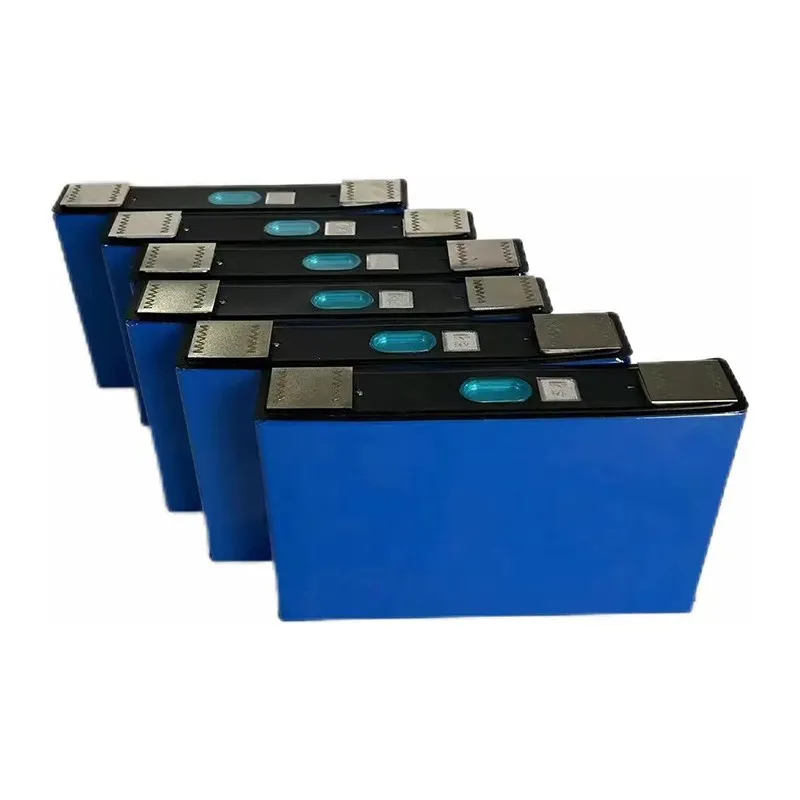
If you are interested in purchasing high - quality NCM battery cells, our company offers a wide range of products, including the 3.7V 147Ah NCM Lithium Ion Battery, 3.67V 78Ah NCM Lithium Ion Battery, and Prismatic 3.73V 58Ah NCM Lithium Ion Battery Cell. We are committed to providing our customers with the best products and services. If you have any questions or would like to discuss your specific requirements, please feel free to contact us for further details and procurement negotiations.

References
- Chen, Z., Liu, X., & Yang, J. (2017). A review of the features and analyses of the solid electrolyte interphase in Li - ion batteries. Electrochimica Acta, 258, 321 - 339.
- Dunn, B., Kamath, H., & Tarascon, J. M. (2011). Electrical energy storage for the grid: a battery of choices. Science, 334(6058), 928 - 935.
- Goodenough, J. B., & Kim, Y. (2010). Challenges for rechargeable Li batteries. Chemistry of Materials, 22(3), 587 - 603.