

As a seasoned supplier of battery modules, I've witnessed firsthand the importance of extending the lifespan of these crucial components. Whether it's for electric vehicles (EVs), hybrid electric vehicles (HEVs), or other applications, maximizing the life of battery modules can significantly reduce costs, enhance performance, and contribute to a more sustainable future. In this blog post, I'll share some valuable insights and practical tips on how to extend the life of battery modules.
Understanding Battery Module Basics
Before delving into the strategies for extending battery module life, it's essential to understand the basic components and working principles. A battery module consists of multiple individual battery cells connected in series and/or parallel to achieve the desired voltage and capacity. The most common types of battery cells used in modern battery modules are lithium-ion, including lithium nickel cobalt manganese (NCM) and lithium iron phosphate (LiFePO4).
The performance and lifespan of a battery module are influenced by various factors, including the quality of the battery cells, the design of the module, the operating conditions, and the charging and discharging patterns. By optimizing these factors, we can effectively extend the life of the battery module.
Choose High - Quality Battery Cells
The foundation of a long - lasting battery module is high - quality battery cells. When selecting battery cells for our modules, we prioritize cells with excellent electrochemical performance, high energy density, and good cycle life. High - quality cells are less prone to degradation over time, which directly translates to a longer lifespan for the battery module.
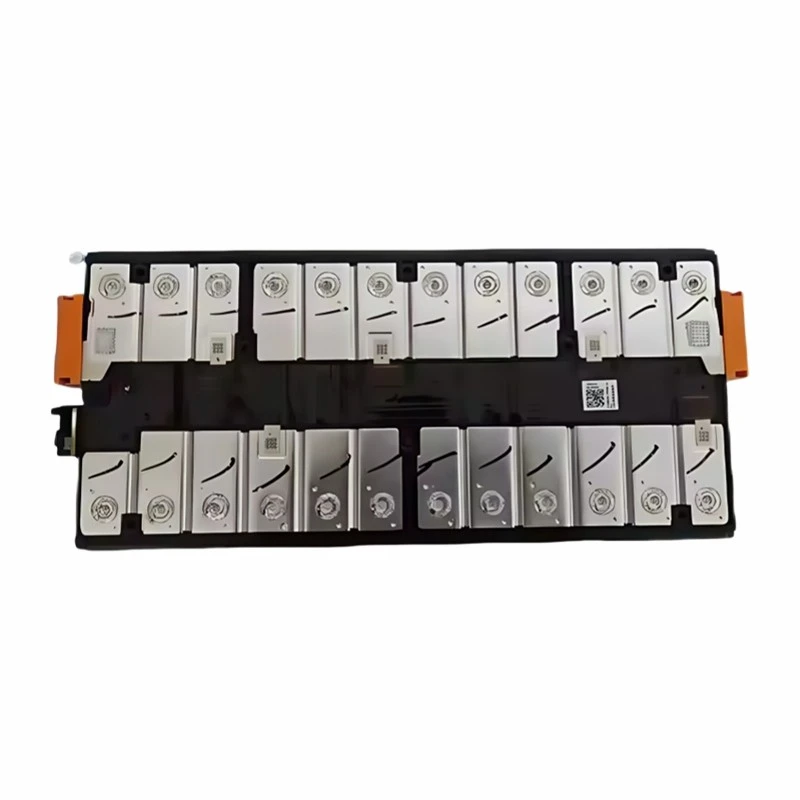
For example, our 1P12S 44.4V 139Ah NCM Battery Module for EV and HEV uses top - grade NCM cells. These cells are engineered to withstand a large number of charge - discharge cycles while maintaining their capacity and performance. The advanced manufacturing processes and strict quality control ensure that each cell meets the highest standards, providing a reliable and long - lasting power source for EVs and HEVs.
Optimize Module Design
The design of the battery module plays a crucial role in its lifespan. A well - designed module should provide proper thermal management, electrical isolation, and mechanical protection for the battery cells.
Thermal management is particularly important because excessive heat can accelerate the degradation of battery cells. Our modules are equipped with efficient cooling systems, such as liquid cooling or air cooling, to maintain the temperature of the battery cells within the optimal range. For instance, in our D148N58 - 3P4S 14.68V 174Ah VDA Module for EV, the innovative thermal design ensures that the heat generated during charging and discharging is effectively dissipated, preventing overheating and prolonging the life of the cells.
In addition, proper electrical isolation between the cells and components is essential to prevent short - circuits and other electrical failures. The mechanical structure of the module should also be robust enough to protect the cells from external shocks and vibrations, which can damage the internal structure of the cells.

Control Operating Conditions
The operating conditions of the battery module have a significant impact on its lifespan. Extreme temperatures, high humidity, and high - altitude environments can all accelerate the degradation of the battery cells.
It is recommended to operate the battery module within the specified temperature range. For most lithium - ion battery modules, the optimal operating temperature is between 20°C and 40°C. Avoid exposing the module to temperatures below 0°C or above 60°C for extended periods. If the module has to operate in extreme temperatures, additional thermal management measures, such as pre - heating or cooling, should be implemented.
Humidity can also cause corrosion and other issues in the battery module. Keep the module in a dry environment with a relative humidity of less than 80%. High - altitude environments may require special considerations due to the lower air pressure, which can affect the performance of the cooling system and the battery cells.
Manage Charging and Discharging Patterns
The way we charge and discharge the battery module is one of the most critical factors in determining its lifespan. Overcharging and over - discharging can cause irreversible damage to the battery cells.
When charging the battery module, use a charger that is specifically designed for the module and follow the manufacturer's recommended charging parameters. Avoid fast - charging the module at high temperatures, as this can generate excessive heat and accelerate cell degradation. For example, for our DIY 8S1P 25.6V 100Ah LiFePO4 Battery Module, we provide detailed charging instructions to ensure that the module is charged safely and efficiently.
Similarly, when discharging the battery module, do not discharge it below the recommended minimum voltage. Maintaining the state of charge (SOC) of the module between 20% and 80% can significantly extend its lifespan. This is known as the "partial - state - of - charge" operation, which reduces the stress on the battery cells and slows down the degradation process.
Regular Maintenance and Monitoring
Regular maintenance and monitoring are essential for extending the life of the battery module. Periodically inspect the module for any signs of physical damage, such as cracks, leaks, or loose connections. Check the electrical performance of the module, including the voltage, current, and capacity, to detect any early signs of degradation.
We also recommend using a battery management system (BMS) to monitor the state of the battery module in real - time. The BMS can provide information on the SOC, temperature, and health of the battery cells, allowing us to take proactive measures to prevent potential problems. For example, if the BMS detects that the temperature of a particular cell is rising abnormally, we can adjust the operating conditions or take the module out of service for inspection.
Conclusion
Extending the life of battery modules is a multi - faceted process that requires a combination of high - quality components, optimized design, proper operating conditions, and effective management of charging and discharging patterns. By following these strategies, we can significantly increase the lifespan of battery modules, reduce the total cost of ownership, and contribute to a more sustainable energy future.
If you are interested in our battery modules or have any questions about extending the life of battery modules, we invite you to contact us for further discussion and procurement. Our team of experts is always ready to provide you with the best solutions tailored to your specific needs.
References
- Arora, P., White, R. E., & Doyle, M. (1999). Capacity Fade Mechanisms and Side Reactions in Lithium - Ion Batteries. Journal of the Electrochemical Society, 146(10), 3543 - 3551.
- Dubarry, M., Liaw, B. Y., & Christensen, J. (2011). State of Health Monitoring of Lithium - Ion Batteries by Means of a High - Precision Coulometer. Journal of Power Sources, 196(8), 3840 - 3846.
- Zhang, J. - G. (2006). A Review on the Key Issues for Lithium - Ion Battery Management in Electric Vehicles. Journal of Power Sources, 162(2), 670 - 679.