

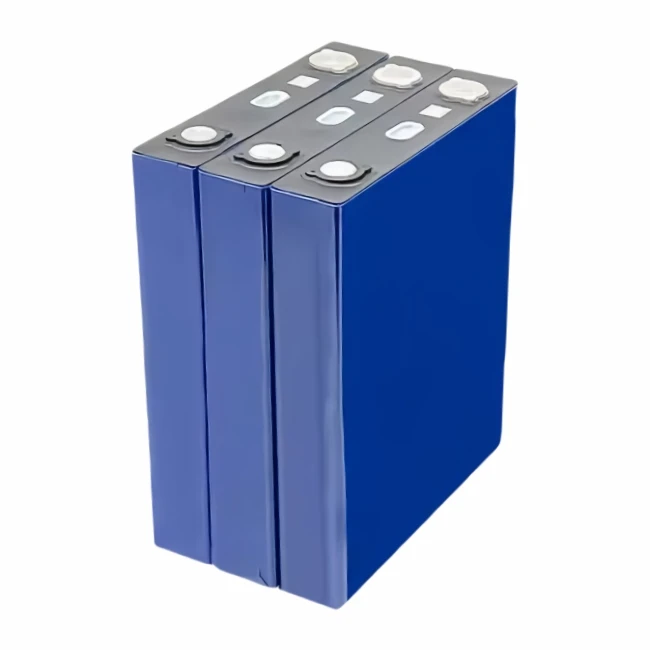
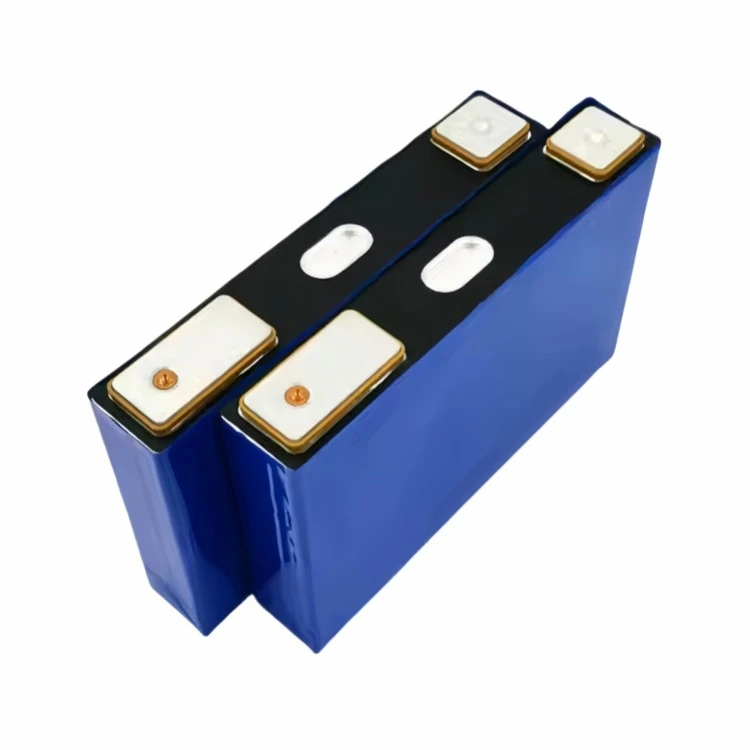
As a trusted supplier of 3.7V 147Ah NCM (Nickel-Cobalt-Manganese) Lithium Ion Batteries, safety during installation is of utmost importance to us. These high-capacity batteries offer excellent performance, but improper installation can lead to various risks, including thermal runaway, electrical short - circuits, and even fire hazards. In this blog, we will discuss several key practices to ensure the safety of our 3.7V 147Ah NCM Lithium Ion Batteries during installation.
1. Pre - installation Checks
Before installation, a series of checks should be carried out to guarantee the battery's integrity and suitability for the intended application.
Physical Inspection
Inspect the battery carefully for any visible signs of damage, such as cracks, dents, or leaks. A damaged battery can pose significant safety risks, and if any damage is detected, the battery should not be installed. Instead, contact us for a replacement. In addition, check the battery's label to ensure it meets the required specifications, including voltage, capacity, and temperature rating.
Compatibility Check
Verify the compatibility of the battery with the rest of the electrical system. This includes checking the voltage requirements, current loads, and the type of charging and discharging equipment. Our 3.7V 147Ah NCM Lithium Ion Batteries are designed to work with specific voltage ranges, and using incompatible equipment can lead to over - charging or over - discharging, which are dangerous for the battery.
2. Proper Handling
Proper handling of the battery is crucial during the installation process.
Use of Personal Protective Equipment (PPE)
Always wear appropriate PPE, such as gloves and safety glasses, when handling the battery. The battery contains chemicals that can be harmful if they come into contact with the skin or eyes. Gloves protect your hands from any potential chemical spills, while safety glasses shield your eyes from debris or electrolyte splashes.
Avoiding Physical Stress
During transportation and installation, avoid subjecting the battery to excessive physical stress. Do not drop, twist, or press on the battery. These actions can cause internal damage to the battery's cells, leading to short - circuits or other safety issues. It's important to use proper lifting equipment if the battery is heavy.
3. Installation Environment
The environment where the battery is installed also plays a significant role in its safety.
Temperature and Humidity
The ideal installation temperature for our 3.7V 147Ah NCM Lithium Ion Batteries is between 20°C and 30°C. Extreme temperatures can affect the battery's performance and safety. High temperatures can accelerate the battery's self - discharge rate and may lead to thermal runaway, while low temperatures can reduce the battery's capacity. Also, keep the installation area dry, as high humidity can cause corrosion to the battery terminals.
Ventilation
Ensure that the installation area is well - ventilated. In case of any battery leakage or outgassing, proper ventilation can prevent the accumulation of potentially flammable or toxic gases. A well - ventilated area also helps to maintain a stable temperature for the battery.
Mounting Location
Choose a stable and secure mounting location for the battery. The location should be free from vibrations and shocks, as these can damage the battery over time. Additionally, the battery should be mounted in a way that allows easy access for maintenance and inspection.
4. Electrical Installation
Correct electrical installation is essential to prevent short - circuits and other electrical hazards.
Wiring and Connections
Use high - quality, properly sized wires for the battery connections. The wire gauge should be selected based on the expected current flow. Loose or incorrect connections can cause excessive heat generation, which may lead to a fire. Make sure all connections are tight and clean. Before making the connections, clean the battery terminals and the wire ends to ensure good electrical conductivity.
Over - current and Over - voltage Protection
Install appropriate over - current and over - voltage protection devices in the electrical circuit. These devices can prevent the battery from being over - charged or over - discharged, which are common causes of battery failures and safety incidents. Over - current protection, such as fuses or circuit breakers, can cut off the power supply when the current exceeds a safe level, while over - voltage protection can limit the voltage applied to the battery.
5. Post - installation Checks
After the installation is complete, several checks should be carried out to ensure the battery is working safely.
Initial Charge and Discharge
Perform an initial charge and discharge cycle according to the manufacturer's instructions. This helps to condition the battery and ensures that it is functioning properly. Monitor the battery's voltage, temperature, and charging current during this process. Any abnormal readings may indicate a problem with the installation or the battery itself.
System Testing
Conduct a comprehensive system test to ensure that the battery is integrated correctly with the rest of the electrical system. Check for any signs of electrical interference, abnormal noises, or overheating. If any issues are detected, troubleshoot and resolve them before putting the system into full operation.
As a leading supplier in the field of lithium - ion batteries, we also offer other high - quality products, such as the Prismatic 3.65V 55Ah NCM Lithium Ion Battery Cell, 3.67V 78Ah NCM Lithium Ion Battery, and Prismatic 3.73V 58Ah NCM Lithium Ion Battery Cell. These products are designed with the same high - safety standards as our 3.7V 147Ah NCM Lithium Ion Batteries.
If you are interested in our products or have any questions regarding the installation or safety of our batteries, we encourage you to contact us for a detailed discussion. Our team of experts is always ready to provide you with professional advice and support.
References
- "Lithium - Ion Battery Safety Guidelines", International Electrotechnical Commission.
- "Handbook of Batteries", David Linden and Thomas B. Reddy.
- Manufacturer's documentation for 3.7V 147Ah NCM Lithium Ion Batteries.