

Hey there, fellow boating enthusiasts! As a supplier of the 72V 100Ah Marine Battery, I've seen firsthand the importance of keeping your battery in top - notch condition. One of the biggest threats to your marine battery's lifespan is over - discharging. In this blog, I'm gonna share some tips on how you can avoid over - discharging your 72V 100Ah marine battery.
First off, let's understand what over - discharging means. When a battery is over - discharged, it's drained beyond its recommended voltage level. For a 72V 100Ah marine battery, this can cause irreversible damage to the battery cells, reducing its capacity and overall lifespan. So, how do we prevent this from happening?

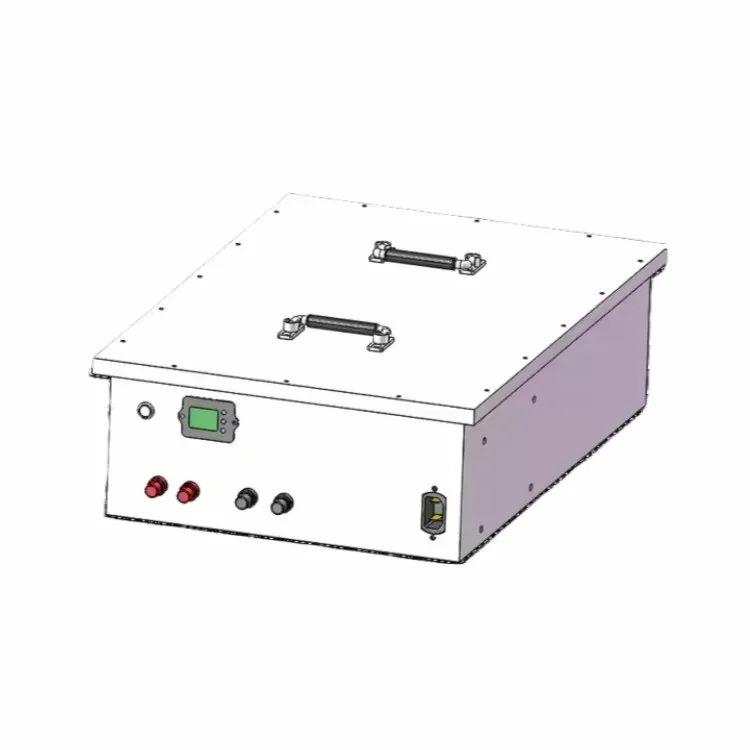
1. Monitor Your Battery Voltage Regularly
One of the simplest ways to avoid over - discharging is to keep an eye on your battery voltage. You can use a battery monitor or a multimeter to check the voltage. A fully charged 72V battery should read around 72 volts or slightly higher. As you use the battery, the voltage will gradually drop. It's crucial to know the minimum safe voltage for your battery. For most 72V marine batteries, discharging below 65 volts can be risky.
If you notice that the voltage is getting close to the minimum safe level, it's time to stop using the battery and recharge it. There are also smart battery monitors available in the market that can give you real - time updates on your battery's voltage, state of charge, and other important parameters. These monitors can be a great investment to ensure the health of your battery.
2. Use a Battery Management System (BMS)
A Battery Management System, or BMS for short, is a must - have for any marine battery. A BMS helps in monitoring and controlling the charging and discharging process of the battery. It can prevent over - charging, over - discharging, and short - circuits.
Our 72V 100Ah Marine Battery comes with a high - quality BMS that ensures the battery operates within the safe voltage range. The BMS will automatically cut off the power supply when the battery voltage reaches the minimum safe level, protecting the battery from over - discharging. It also helps in balancing the charge across the battery cells, which is essential for maintaining the battery's performance and lifespan.
3. Optimize Your Power Usage
Another way to avoid over - discharging is to be mindful of your power consumption on the boat. Make a list of all the electrical devices you use on the boat and their power requirements. Try to prioritize the use of essential devices and turn off non - essential ones when not in use.
For example, if you have a fridge, lights, and a stereo system on your boat, you can turn off the stereo when you're not listening to music or reduce the brightness of the lights to save power. Also, consider upgrading to energy - efficient devices. Our company also offers other great products like the 24V 90Ah LiFePO4 Battery with RS485 and 25.6V 210Ah Lithium Battery Pack for Electric Boats, which are designed to be more energy - efficient and can help you reduce your overall power consumption.
4. Have a Backup Power Source
It's always a good idea to have a backup power source on your boat. This can be a secondary battery or a generator. In case your primary 72V 100Ah marine battery starts to run low, you can switch to the backup power source to avoid over - discharging the main battery.
A generator can be a great option as it can recharge your battery while you're on the go. However, make sure to follow the manufacturer's instructions when using a generator to avoid any safety hazards.
5. Charge Your Battery Properly
Proper charging is key to maintaining the health of your battery. Use a charger that is specifically designed for your 72V 100Ah marine battery. Avoid using a charger with too high or too low voltage, as this can damage the battery.
When charging the battery, make sure to follow the recommended charging time and current. Over - charging can be just as harmful as over - discharging. Once the battery is fully charged, disconnect the charger to prevent over - charging.
6. Keep Your Battery in Good Condition
Regular maintenance of your battery is essential to avoid over - discharging. Check the battery terminals for corrosion and clean them if necessary. Corroded terminals can cause a poor connection, which can lead to increased resistance and reduced battery performance.
Also, make sure to store your battery in a cool, dry place when not in use. Extreme temperatures can affect the battery's performance and lifespan. If you're storing the battery for an extended period, make sure to charge it to around 50 - 70% of its capacity and then recharge it every few months to prevent self - discharge.
In conclusion, avoiding over - discharging your 72V 100Ah marine battery is all about being proactive and taking the right steps. By monitoring your battery voltage, using a BMS, optimizing your power usage, having a backup power source, charging your battery properly, and keeping it in good condition, you can ensure that your battery lasts for a long time and performs at its best.
If you're in the market for a high - quality 72V 100Ah marine battery or any of our other products like the 24V 90Ah LiFePO4 Battery with RS485 and 25.6V 210Ah Lithium Battery Pack for Electric Boats, feel free to reach out to us for more information and to discuss your purchasing needs. We're here to help you find the best battery solutions for your boating adventures.
References
- Battery University: A comprehensive resource for battery knowledge and best practices.
- Marine Battery Manufacturer's Manuals: These provide detailed information on battery operation, maintenance, and safety.