

As a supplier of the 100KW 174KWh Smart All-in-one ESS, I'm often asked about how this advanced energy storage system manages its thermal performance. In this blog, I'll delve into the details of the thermal management strategies employed in our product, which is crucial for ensuring its efficiency, longevity, and safety.
The Significance of Thermal Management in ESS
Energy storage systems, especially those with high power and capacity like our 100KW 174KWh Smart All-in-one ESS, generate a significant amount of heat during operation. Excessive heat can have detrimental effects on the performance and lifespan of the battery cells. High temperatures can accelerate the degradation of the battery materials, reduce the battery's capacity, and even pose safety risks such as thermal runaway. Therefore, effective thermal management is essential to maintain the optimal operating temperature range of the battery cells and ensure the overall reliability of the ESS.
Thermal Management Strategies in Our 100KW 174KWh Smart All-in-one ESS
1. Cooling System Design
Our 100KW 174KWh Smart All-in-one ESS is equipped with a state-of-the-art cooling system. We use a combination of air and liquid cooling methods to dissipate heat efficiently. The air cooling system helps to remove the heat generated by the auxiliary components and provides a basic level of cooling for the battery modules. It consists of fans and air ducts that are strategically placed to ensure uniform airflow across the system.

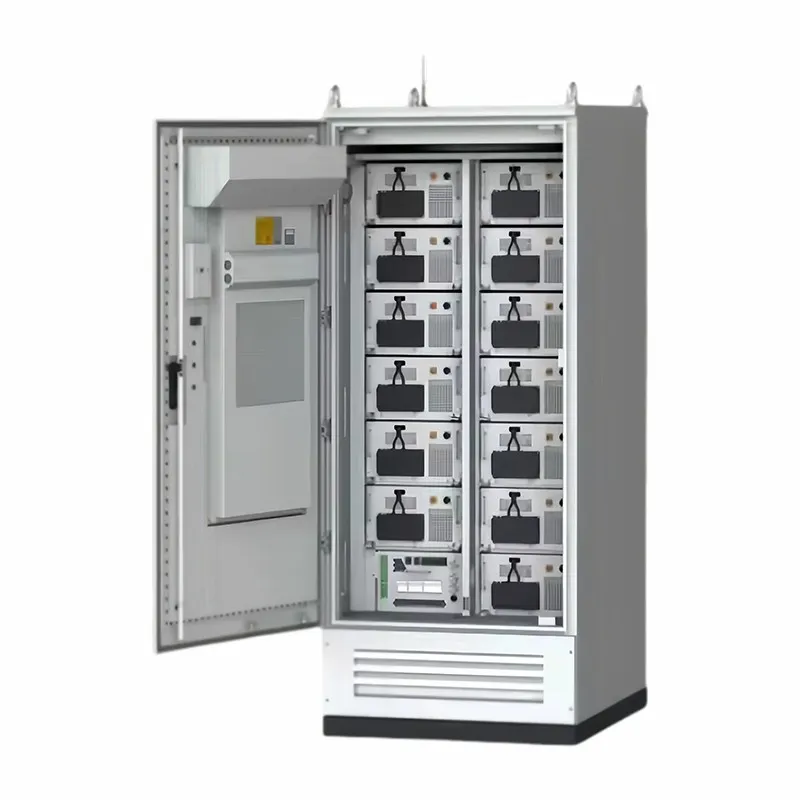
The liquid cooling system, on the other hand, is responsible for the precise temperature control of the battery cells. A coolant is circulated through a network of cooling pipes that are in close contact with the battery modules. This direct contact allows for efficient heat transfer from the battery cells to the coolant. The coolant then flows to a heat exchanger, where the heat is dissipated to the outside environment.
The use of a hybrid cooling system allows us to take advantage of the benefits of both air and liquid cooling. Air cooling is relatively simple and cost-effective, while liquid cooling provides more precise temperature control and higher cooling efficiency. By combining these two methods, we can ensure that the battery cells operate within the optimal temperature range under various operating conditions.
2. Thermal Monitoring and Control
In addition to the cooling system, our 100KW 174KWh Smart All-in-one ESS is equipped with a comprehensive thermal monitoring and control system. This system continuously monitors the temperature of the battery cells, coolant, and other critical components in real-time. Multiple temperature sensors are installed at different locations within the system to provide accurate temperature readings.
Based on the temperature data collected by the sensors, the control system can adjust the operation of the cooling system accordingly. For example, if the temperature of the battery cells exceeds the predefined threshold, the control system can increase the speed of the fans or the flow rate of the coolant to enhance the cooling effect. Conversely, if the temperature is too low, the control system can reduce the cooling capacity to save energy.
The thermal monitoring and control system also includes safety features to prevent thermal runaway. In the event of an abnormal temperature rise, the system can trigger an alarm and take emergency measures such as shutting down the system to protect the battery cells and the entire ESS.
3. Battery Cell Arrangement and Thermal Insulation
The arrangement of the battery cells within the ESS also plays an important role in thermal management. We have designed a specific cell layout that promotes uniform heat distribution and minimizes the temperature differences between the cells. This helps to ensure that all the battery cells operate under similar thermal conditions and reduces the risk of overheating in some cells.
In addition, we use high-quality thermal insulation materials to reduce the heat transfer between the battery cells and the external environment. This helps to maintain a stable internal temperature and reduces the energy consumption of the cooling system. The thermal insulation materials also provide a certain degree of protection against external heat sources, such as sunlight or high ambient temperatures.
Comparison with Other ESS Products
To better illustrate the advantages of our thermal management system, let's compare our 100KW 174KWh Smart All-in-one ESS with some other ESS products on the market. For example, the LiFePO4 ESS 160kWh Air Cooling Energy Storage System uses only air cooling, which may not be sufficient to provide precise temperature control for high-capacity battery systems. In contrast, our hybrid cooling system can achieve more accurate temperature regulation and better thermal performance.
Another product, the Slim 12V 105Ah LiFePO4 Battery, is a smaller-scale battery product. While it may have its own thermal management features, it is not designed to handle the high power and capacity requirements of our 100KW 174KWh Smart All-in-one ESS. Our system is specifically engineered to meet the challenges of large-scale energy storage applications and provides a more comprehensive and effective thermal management solution.
Benefits of Effective Thermal Management
The effective thermal management of our 100KW 174KWh Smart All-in-one ESS brings several benefits to our customers. Firstly, it improves the efficiency of the ESS. By maintaining the battery cells at the optimal operating temperature, the energy conversion efficiency of the battery can be maximized, resulting in less energy loss during charging and discharging processes.
Secondly, it extends the lifespan of the battery cells. High temperatures can cause irreversible damage to the battery materials, leading to a reduction in the battery's capacity and cycle life. With our advanced thermal management system, the degradation of the battery cells is significantly slowed down, allowing the ESS to provide reliable energy storage for a longer period of time.
Finally, it enhances the safety of the ESS. Thermal runaway is a serious safety concern in battery systems, which can lead to fires or explosions. Our thermal monitoring and control system can detect and prevent thermal runaway in a timely manner, ensuring the safety of the ESS and the surrounding environment.
Conclusion
In conclusion, the thermal management of our 100KW 174KWh Smart All-in-one ESS is a critical aspect of its design and operation. Through the use of a hybrid cooling system, comprehensive thermal monitoring and control, optimized battery cell arrangement, and high-quality thermal insulation, we can ensure that the battery cells operate within the optimal temperature range and provide reliable energy storage performance.
If you are interested in our 100KW 174KWh Smart All-in-one ESS or have any questions about its thermal performance or other features, please feel free to contact us for further discussion and procurement negotiation. We are committed to providing high-quality energy storage solutions to meet your specific needs.
References
- Some research papers on battery thermal management and energy storage system design.
- Industry standards and guidelines related to battery safety and thermal management.