

Hey there! As a supplier of residential Energy Storage Systems (ESS), I've seen firsthand how these nifty devices can revolutionize the way we use energy at home. In this blog, I'm gonna break down how a residential ESS can optimize energy usage and why it's a game - changer for homeowners.
Understanding the Basics of Residential ESS
First off, let's get on the same page about what a residential ESS is. Simply put, it's a system that stores energy for later use. It usually consists of batteries, like the LiFePO4 Battery 51.2V/100Ah 200Ah Household Energy Storage, and a control unit. The battery stores electrical energy, and the control unit manages when the energy is stored and when it's released.
These systems can be connected to the grid, like our Energy Storage System BA - ESS - B100S16 - F LiFePO4 On Grid 100KW 500KW Residential, or used in off - grid setups. They're becoming increasingly popular as more people look for ways to reduce their energy bills and their carbon footprint.
Peak Shaving: Saving Money During High - Demand Times
One of the key ways a residential ESS optimizes energy usage is through a process called peak shaving. Electricity prices tend to be higher during peak demand hours, usually in the late afternoon and early evening when people get home from work, turn on their lights, TVs, and appliances.
With an ESS, you can charge the battery during off - peak hours when electricity is cheaper. Then, during peak hours, instead of drawing power from the grid at the higher rate, you can use the stored energy in your battery. This not only saves you money but also reduces the strain on the electrical grid. For example, if you have a Energy Storage System 51.2V/100Ah Base Station Energy Storage Battery Box, it can store enough energy to power your essential appliances during peak times.
Self - Consumption of Renewable Energy
If you have solar panels installed on your home, an ESS can help you make the most of the energy they generate. Solar panels produce the most electricity during the day when the sun is shining, but your energy usage might be lower at that time. Without an ESS, the excess energy is often sent back to the grid, and you may not get full compensation for it.
A residential ESS allows you to store the excess solar energy for later use. So, when the sun goes down or on cloudy days, you can use the stored solar energy instead of relying on the grid. This increases your self - consumption of renewable energy, which is great for the environment and can also save you money in the long run.
Backup Power: Keeping the Lights On
Another important benefit of a residential ESS is that it provides backup power in case of a grid outage. When the power goes out, your ESS can automatically switch on and supply electricity to your home. This is especially useful if you have medical equipment that needs to be powered continuously or if you want to keep your fridge running to prevent food spoilage.
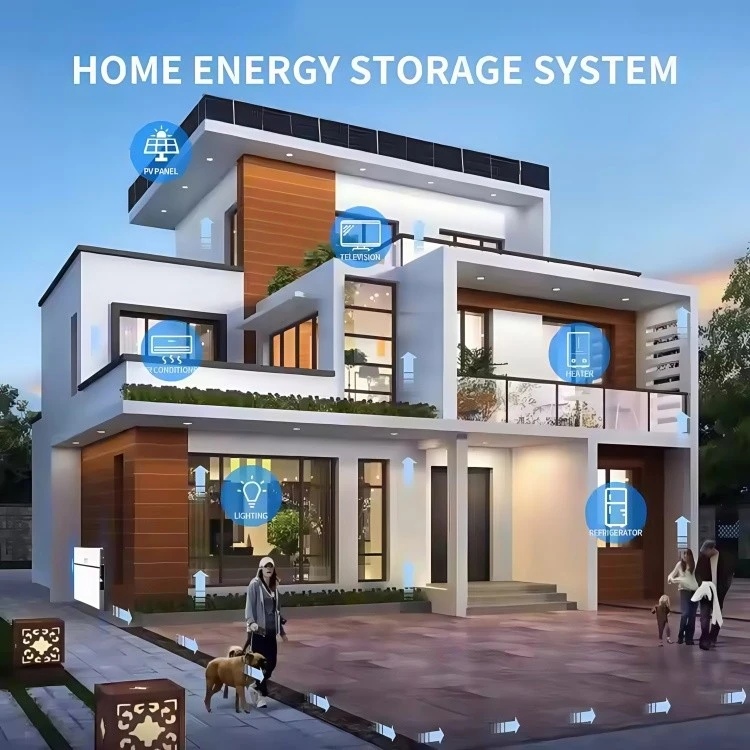

Our ESS systems are designed to be reliable and can provide power for a significant amount of time, depending on the size of the battery and your energy usage. You don't have to worry about being left in the dark during a storm or other power - related emergencies.
Load Management: Balancing Your Energy Use
A residential ESS can also help with load management. It can monitor your energy usage in real - time and adjust the flow of electricity accordingly. For example, if you have a large appliance, like a washing machine or a dryer, that starts using a lot of power, the ESS can release stored energy to supplement the grid power and prevent overloading.
This balancing act ensures that your home's electrical system operates efficiently and can also prevent damage to your appliances. By managing your energy load effectively, you can avoid spikes in your energy consumption and keep your energy bills in check.
Grid Support: Contributing to a Stable Electrical Grid
Residential ESS systems can also play a role in supporting the electrical grid. When there's a sudden increase in demand on the grid, homeowners with ESS systems can contribute by releasing stored energy back into the grid. This helps to stabilize the grid and prevent blackouts or brownouts.
In some regions, grid operators even offer incentives to homeowners who participate in grid - support programs. By having an ESS, you can not only optimize your own energy usage but also be a part of a larger effort to create a more reliable and sustainable electrical grid.
Factors to Consider When Choosing a Residential ESS
When it comes to choosing a residential ESS, there are a few things you need to think about. First, consider the size of the battery. You'll need to estimate your daily energy usage to determine the right battery capacity for your home. A larger battery can store more energy, but it will also be more expensive.
You should also look at the efficiency of the ESS. A more efficient system will lose less energy during the charging and discharging process, which means you'll get more use out of the stored energy. Additionally, consider the lifespan of the battery and the warranty offered by the manufacturer.
Conclusion
In conclusion, a residential ESS is an amazing tool for optimizing energy usage at home. It can save you money through peak shaving and increased self - consumption of renewable energy, provide backup power during outages, help with load management, and even support the electrical grid.
If you're interested in learning more about how our residential ESS systems can benefit you, I encourage you to reach out to us for a detailed discussion. Whether you're looking to reduce your energy bills, increase your energy independence, or contribute to a greener planet, we have the right ESS solution for you. Don't hesitate to contact us to start the procurement process and take the first step towards a more energy - efficient home.
References
- Various industry reports on energy storage technologies
- Manufacturer's specifications for our residential ESS products