

In the dynamic landscape of modern technology, the demand for seamless and efficient communication across diverse systems has become more crucial than ever. As a leading connector supplier, we understand the pivotal role that connectors play in enabling different communication protocols. In this blog post, we will delve into the intricate mechanisms and strategies through which our connectors support a wide range of communication protocols, ensuring reliable and high - performance connectivity.
Understanding Communication Protocols
Before we explore how our connectors support different communication protocols, it is essential to have a clear understanding of what communication protocols are. Communication protocols are a set of rules and standards that govern how data is transmitted and received between devices. These protocols define aspects such as the format of data, the timing of transmission, error - checking mechanisms, and the way devices establish and terminate connections.
There are numerous communication protocols in use today, each designed for specific applications and environments. Some of the most common ones include Ethernet, USB, Serial, CAN (Controller Area Network), and Bluetooth. Each protocol has its own unique characteristics, data rates, and requirements, which pose challenges for connectors to support them effectively.
Design Considerations for Protocol Support
Electrical Characteristics
One of the primary factors in supporting different communication protocols is the electrical characteristics of the connector. Different protocols have specific voltage levels, impedance requirements, and signal frequencies. For example, high - speed Ethernet protocols require connectors with low signal attenuation and precise impedance matching to ensure reliable data transmission at gigabit speeds.
Our engineers carefully design the internal structure and materials of our connectors to meet these electrical requirements. We use high - quality conductive materials with low resistance and excellent conductivity to minimize signal loss. Additionally, we employ advanced manufacturing techniques to ensure consistent impedance throughout the connector, which is crucial for high - frequency signals.
Pin Configuration and Layout
The pin configuration and layout of a connector are also critical for supporting different communication protocols. Each protocol has its own set of signals that need to be transmitted and received, and the connector must be designed to accommodate these signals. For instance, a USB connector has a specific pinout for power, data, and ground signals.
We offer a wide range of connector pin configurations to support various protocols. Our connectors can be customized with different numbers of pins, pin spacing, and pin arrangements to meet the specific requirements of each protocol. This flexibility allows us to provide connectors that are optimized for different applications, whether it's a simple serial connection or a complex multi - channel Ethernet interface.
Mechanical Durability
In addition to electrical and pin - related considerations, mechanical durability is also an important factor in supporting different communication protocols. Connectors are often subjected to repeated mating and unmating cycles, vibrations, and environmental stresses. A connector that fails mechanically can disrupt the communication link and lead to data loss or system failures.

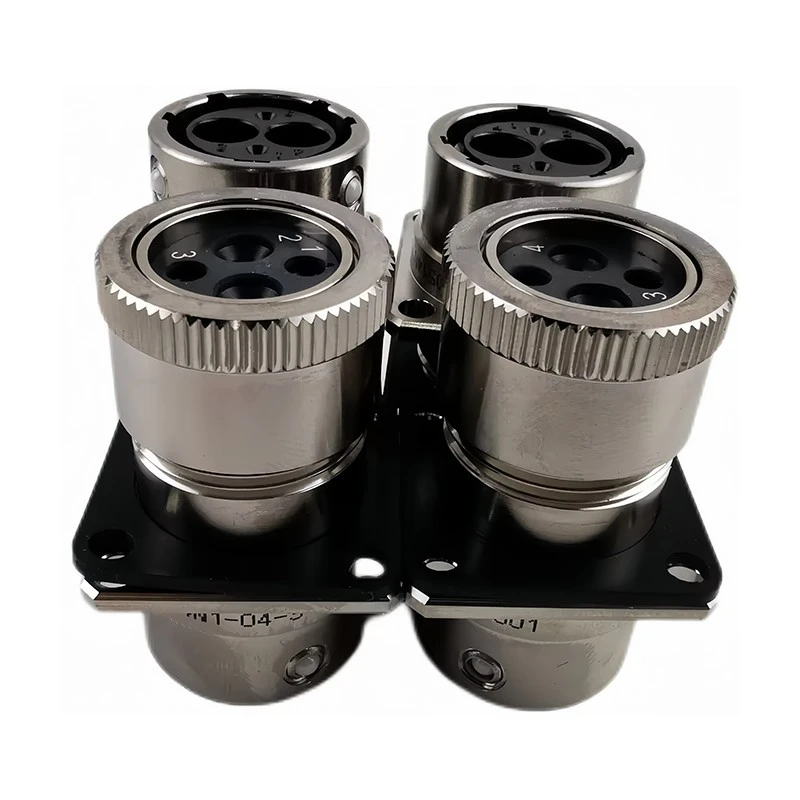
Our connectors are built to withstand these challenges. We use high - strength materials and robust construction techniques to ensure long - term reliability. For example, our JONHON C10514N1 - 04 - 4 - 1 Metal Connector is made of high - quality metal, which provides excellent mechanical strength and resistance to corrosion. This makes it suitable for use in harsh industrial environments where reliability is of utmost importance.
Compatibility and Adaptability
Protocol - Specific Connectors
In some cases, we offer protocol - specific connectors that are designed to work seamlessly with a particular communication protocol. These connectors are optimized for the electrical, mechanical, and signal requirements of the protocol, providing the highest level of performance and reliability. For example, our PEC200 1500V 200A Energy Storage Battery System Connector Socket is specifically designed for use in energy storage systems, supporting the high - voltage and high - current requirements of these applications.
Multi - Protocol Connectors
However, in many modern systems, there is a need for connectors that can support multiple communication protocols. Our multi - protocol connectors are designed to be versatile and adaptable, allowing them to work with different protocols without the need for extensive reconfiguration. These connectors use advanced signal routing and switching technologies to handle different types of signals and protocols.
For example, our JONHON C10514N1 - 04 - 3 - 1 G001 Metal Connector can be configured to support different communication protocols by simply changing the internal wiring or using external adapters. This flexibility makes it an ideal choice for applications where multiple protocols may be used over time or in different operating modes.
Testing and Certification
To ensure that our connectors meet the requirements of different communication protocols, we conduct rigorous testing and certification processes. We test our connectors for electrical performance, mechanical durability, and compatibility with various protocols. Our testing facilities are equipped with state - of - the - art equipment that can simulate real - world conditions and measure the performance of the connectors accurately.
We also obtain certifications from recognized standards organizations to demonstrate the quality and reliability of our connectors. These certifications include ISO, UL, and CE, which are widely recognized in the industry. By obtaining these certifications, we assure our customers that our connectors meet the highest standards of quality and performance.
Future Trends in Protocol Support
As technology continues to evolve, the demand for connectors that support new and emerging communication protocols will only increase. Some of the future trends in this area include the development of higher - speed protocols, such as 100G Ethernet and 8K HDMI, and the integration of wireless communication technologies into traditional wired systems.
To stay ahead of these trends, we are continuously investing in research and development. Our engineers are working on new designs and technologies that will enable our connectors to support these future protocols. We are also exploring the use of advanced materials and manufacturing techniques to improve the performance and reliability of our connectors even further.
Conclusion
In conclusion, as a connector supplier, we are committed to providing high - quality connectors that support a wide range of communication protocols. Through careful design, strict manufacturing processes, and rigorous testing, we ensure that our connectors meet the electrical, mechanical, and compatibility requirements of different protocols. Whether you need a protocol - specific connector or a multi - protocol solution, we have the expertise and products to meet your needs.
If you are interested in learning more about our connectors or have specific requirements for your application, we encourage you to contact us for a detailed discussion. Our sales team is ready to assist you in finding the right connector solution for your communication needs.
References
- "Communication Networks: Fundamental Concepts and Key Architectures" by David Tse and Pramod Viswanath.
- "Connectors: Design, Applications, and Technology" by John M. Carroll.
- Industry standards and specifications from organizations such as IEEE, USB Implementers Forum, and CAN in Automation (CiA).