

Hey there! As a supplier of sodium battery cells, I've been getting a ton of questions lately about how sodium battery cells stack up against lead - acid battery cells. So, I thought I'd take the time to break it down for you all.
Let's start with the basics. Lead - acid batteries have been around for ages. They're the old - timers in the battery game. You've probably seen them in cars, golf carts, and even some backup power systems. They're reliable in a way, but they also come with their fair share of drawbacks.
One of the big issues with lead - acid batteries is their energy density. Energy density is basically how much energy a battery can store in a given volume or weight. Lead - acid batteries have a relatively low energy density. That means if you want a battery that can store a lot of energy, you're going to need a big, heavy lead - acid battery. And let me tell you, lugging around a massive lead - acid battery isn't exactly a walk in the park.
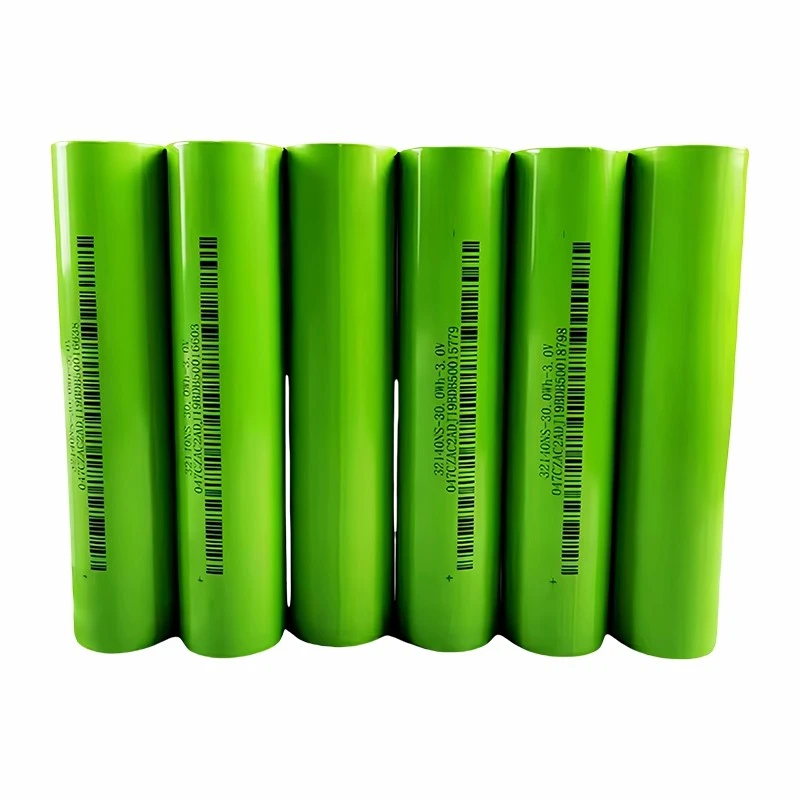
On the other hand, sodium battery cells offer a much higher energy density. This is a game - changer in a lot of applications. For example, in electric vehicles (EVs), a higher energy density battery means you can go further on a single charge. Check out our Cylindrical 3.2V 10Ah EV Sodium Ion Battery. It's designed specifically for EVs and can provide a decent amount of power while being more compact and lighter compared to a lead - acid battery of the same capacity.
Another important factor is the lifespan of the batteries. Lead - acid batteries typically have a limited number of charge - discharge cycles. Over time, the lead plates inside the battery start to degrade, and the battery's performance drops. You might find yourself having to replace a lead - acid battery every few years, which can get pretty expensive in the long run.
Sodium battery cells, however, have a much longer lifespan. They can withstand a greater number of charge - discharge cycles without significant loss of performance. This means you won't have to replace them as often, saving you both time and money. Our 3.0V 200Ah NA Sodium Ion Battery Cells are built to last, making them a great investment for applications where long - term use is required.
Safety is also a major concern when it comes to batteries. Lead - acid batteries contain sulfuric acid, which is a highly corrosive substance. If the battery is damaged or leaks, it can cause serious harm to people and the environment. There's also a risk of hydrogen gas buildup, which can be explosive in certain conditions.
Sodium battery cells are generally considered to be safer. They don't use corrosive acids like lead - acid batteries, and they have a more stable chemical structure. This reduces the risk of leaks, fires, and explosions. So, if safety is a top priority for you, sodium battery cells are definitely the way to go.
Cost is always a factor when choosing a battery. Lead - acid batteries are often cheaper upfront. But when you consider the long - term costs, including replacement and maintenance, sodium battery cells can actually be more cost - effective. You'll spend less on replacements over time, and you won't have to deal with the hassle of frequent maintenance.
When it comes to charging speed, sodium battery cells have an edge. They can be charged much faster than lead - acid batteries. This is especially important in applications where quick turnaround times are needed, like in some industrial settings or for fast - charging EV stations.
In terms of environmental impact, lead - acid batteries are a bit of a mixed bag. While they can be recycled, the recycling process is complex and can be harmful to the environment if not done properly. The lead and sulfuric acid in these batteries are toxic substances.
Sodium battery cells, on the other hand, are more environmentally friendly. They use more abundant and less toxic materials. This makes them a better choice for those who are looking to reduce their carbon footprint and have a more sustainable energy solution.
Now, let's talk about performance in different temperatures. Lead - acid batteries don't perform well in extreme temperatures. In cold weather, their capacity drops significantly, and they can take longer to charge. In hot weather, the battery life can be shortened due to increased chemical reactions.
Sodium battery cells have a wider operating temperature range. They can perform well in both cold and hot conditions, making them more versatile for different applications and climates.
So, to sum it all up, sodium battery cells have a lot of advantages over lead - acid battery cells. They offer higher energy density, longer lifespan, better safety, faster charging, lower long - term costs, and a smaller environmental impact.
If you're in the market for a new battery and are considering your options, I'd highly recommend giving sodium battery cells a try. Whether you're in the EV industry, looking for a backup power solution, or have other battery - powered applications, our sodium battery cells can meet your needs.
If you're interested in learning more or want to discuss a potential purchase, feel free to reach out. We're here to help you find the best battery solution for your specific requirements.

References
- Various industry reports on battery technology
- Research papers on sodium and lead - acid battery performance