

NCM (Nickel Cobalt Manganese) battery cells have emerged as a promising energy storage solution in various industries, and the marine sector is no exception. As a supplier of high - quality NCM battery cells, I have witnessed firsthand the growing interest in these batteries for marine applications. In this blog, I will delve into how NCM battery cells perform in marine settings, exploring their advantages, challenges, and overall suitability.
Advantages of NCM Battery Cells in Marine Applications
High Energy Density
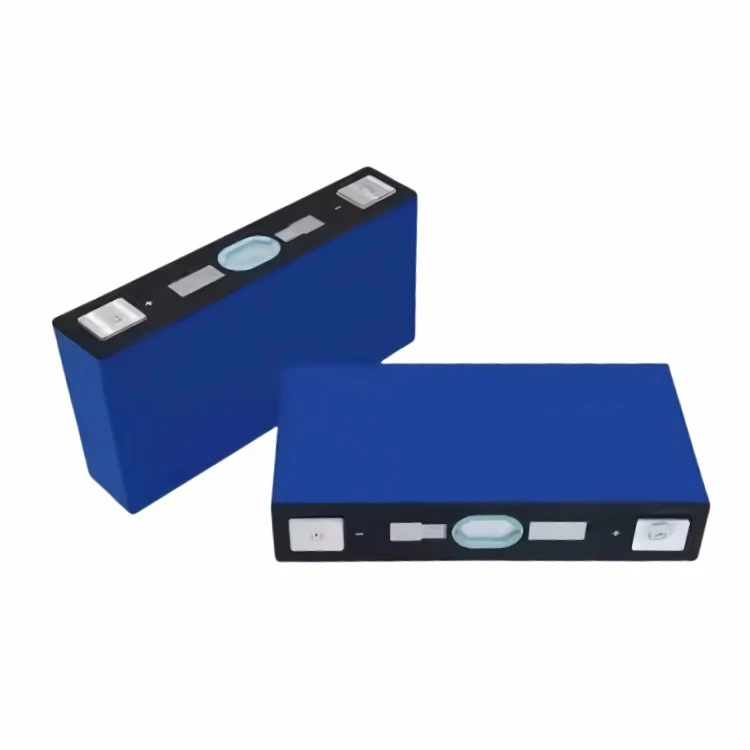
One of the most significant advantages of NCM battery cells in marine applications is their high energy density. Marine vessels, whether small boats or large ships, require a power source that can store a large amount of energy in a relatively small and lightweight package. NCM batteries offer a high energy - to - volume and energy - to - weight ratio compared to traditional lead - acid batteries. This means that marine operators can carry more energy on board without significantly increasing the weight or taking up excessive space. For example, a set of 3.7V 147Ah NCM Lithium Ion Battery can provide a substantial amount of power while being much lighter and more compact than a lead - acid battery with the same capacity. This high energy density is crucial for long - distance voyages and applications where space and weight are at a premium, such as in electric boats or hybrid vessels.
Long Cycle Life
NCM battery cells typically have a longer cycle life compared to many other battery chemistries. In marine applications, batteries are often subject to frequent charge and discharge cycles, especially in vessels that rely on battery power for propulsion or auxiliary systems. A longer cycle life means that the batteries can be used for a more extended period before needing to be replaced, reducing the overall cost of ownership. For instance, with proper charging and discharging management, NCM batteries can withstand thousands of cycles, which is a significant advantage for marine operators who need a reliable and long - lasting power source. This long - term durability is particularly important for commercial marine vessels, where downtime for battery replacement can be costly in terms of lost revenue.
High Discharge Rate
Marine applications often require batteries to deliver high power outputs quickly, especially during start - up, acceleration, or when operating high - power equipment such as winches or pumps. NCM battery cells can support high discharge rates, allowing them to meet the sudden power demands of marine systems. This high - rate discharge capability ensures that the vessel's electrical systems can function smoothly and efficiently, even under heavy loads. For example, a 3.67V 78Ah NCM Lithium Ion Battery can deliver a high current when needed, enabling quick response times for critical marine operations.
Fast Charging
Fast charging is another key advantage of NCM battery cells in marine applications. In a marine environment, time is often of the essence, and operators need to recharge their batteries as quickly as possible during stops or layovers. NCM batteries can be charged at a faster rate compared to some other battery types, which reduces the downtime for recharging. This is especially beneficial for vessels with tight schedules, such as ferries or tour boats that need to get back on the water quickly. With the ability to charge rapidly, marine operators can make the most of their time at ports and minimize disruptions to their operations.
Challenges of NCM Battery Cells in Marine Applications
Thermal Management
One of the main challenges of using NCM battery cells in marine applications is thermal management. NCM batteries are sensitive to temperature changes, and high temperatures can degrade the battery performance and reduce its lifespan. In a marine environment, batteries can be exposed to high ambient temperatures, especially in tropical regions or during the summer months. Additionally, the charging and discharging processes generate heat, which needs to be dissipated effectively. Without proper thermal management systems, such as cooling plates or ventilation, the batteries can overheat, leading to safety risks and reduced performance. For example, if a Prismatic 3.73V 58Ah NCM Lithium Ion Battery Cell is not adequately cooled during a high - power discharge, its internal temperature can rise rapidly, potentially causing damage to the battery cells.
Safety Concerns
Although NCM battery cells are generally safe when used correctly, there are still some safety concerns associated with them, especially in a marine environment. Lithium - ion batteries, including NCM batteries, can pose a risk of thermal runaway if they are overcharged, over - discharged, or physically damaged. In a marine setting, where the batteries may be exposed to vibrations, shocks, and saltwater corrosion, the risk of damage increases. To mitigate these risks, proper safety mechanisms such as battery management systems (BMS) are essential. A BMS can monitor the battery's voltage, temperature, and state of charge, and it can take corrective actions to prevent overcharging, over - discharging, and overheating. However, ensuring the reliability of these safety systems in a harsh marine environment can be challenging.
Cost
NCM battery cells are generally more expensive than traditional lead - acid batteries. The higher cost is mainly due to the materials used in the battery construction and the manufacturing processes. For marine operators, the initial investment in NCM batteries can be a significant barrier, especially for small - scale operations or those with tight budgets. However, it is important to consider the long - term cost savings associated with NCM batteries, such as their longer cycle life and lower maintenance requirements. Over the life of the battery, the total cost of ownership of NCM batteries may be comparable or even lower than that of lead - acid batteries.
Overall Suitability of NCM Battery Cells in Marine Applications
Despite the challenges, NCM battery cells are highly suitable for many marine applications. Their high energy density, long cycle life, high discharge rate, and fast - charging capabilities make them an attractive option for a wide range of vessels, from small recreational boats to large commercial ships. In electric and hybrid vessels, NCM batteries can provide the power needed for propulsion, while in auxiliary systems, they can support equipment such as lighting, navigation systems, and communication devices.
For example, in the growing market of electric boats, NCM batteries are becoming the preferred choice due to their ability to provide a quiet, efficient, and environmentally friendly power source. The high energy density allows these boats to travel longer distances on a single charge, and the long cycle life ensures that the batteries can last for many years of use. In commercial shipping, NCM batteries can be used in hybrid propulsion systems to reduce fuel consumption and emissions, contributing to a more sustainable marine industry.
Conclusion
In conclusion, NCM battery cells offer significant advantages in marine applications, including high energy density, long cycle life, high discharge rate, and fast charging. However, they also face challenges such as thermal management, safety concerns, and high initial costs. With proper design, installation, and maintenance, these challenges can be overcome, and NCM batteries can provide a reliable and efficient power source for marine vessels.

If you are a marine operator or in the marine industry and are interested in exploring the use of NCM battery cells for your applications, I encourage you to contact us for further information and to discuss your specific needs. We are committed to providing high - quality NCM battery solutions that meet the unique requirements of the marine sector.
References
- "Lithium - Ion Batteries for Marine Applications: A Review", Journal of Marine Science and Technology
- "Thermal Management of Lithium - Ion Batteries in Harsh Environments", International Journal of Energy Research
- "Cost - Benefit Analysis of Different Battery Chemistries in Marine Vessels", Marine Engineering Journal