

Hey there! As a connector supplier, I often get asked this question: "Can I reuse a connector after removal?" It's a valid concern, especially when you're trying to save some bucks or just want to make the most out of your equipment. So, let's dive right into it and figure out if reusing connectors is a good idea or not.
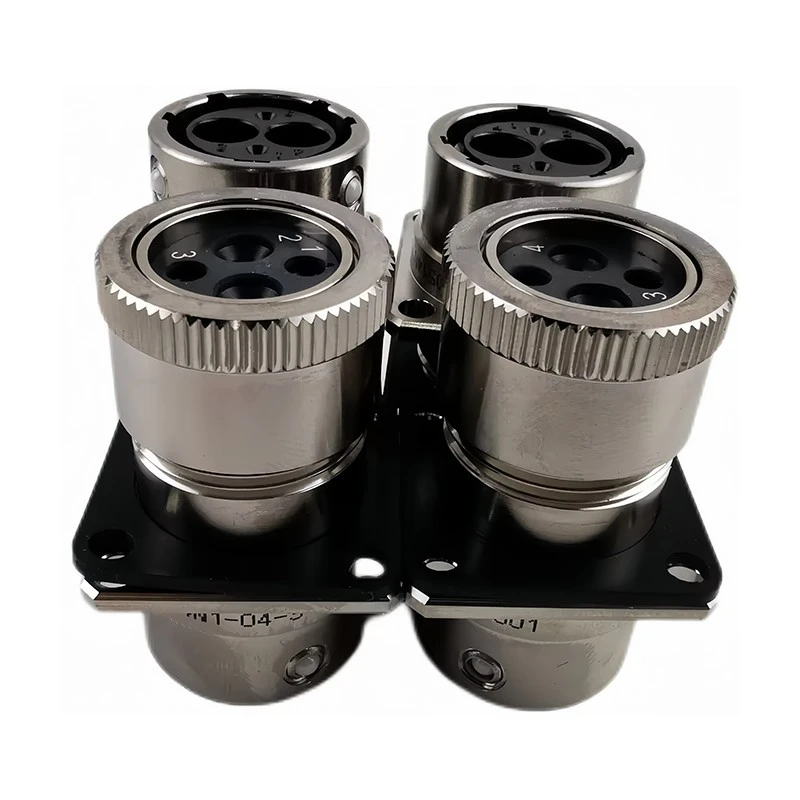
First off, let's understand what connectors are and what they do. Connectors are those little (or sometimes not - so - little) devices that join two or more electrical circuits together. They come in all shapes and sizes, from tiny ones used in your smartphone to big, heavy - duty ones for industrial machinery. At our place, we offer a wide range of connectors, like the PEC200 1500V 200A Energy Storage Battery System Connector Socket, JONHON C10514N1 - 04 - 3 - 1 G001 Metal Connector, and JONHON C10514N1 - 04 - 4 - 1 Metal Connector.
Now, back to the main question. Whether you can reuse a connector after removal depends on a few factors.
1. Type of Connector
Some connectors are designed to be used multiple times. For example, the ones with a simple plug - and - play mechanism are usually more reusable. These connectors have a straightforward design where you can easily insert and remove them without causing much damage to the pins or contacts. On the other hand, there are connectors that are meant for single - use only. These might have a locking mechanism that gets damaged or deformed upon removal, making them unreliable for future use.
2. Condition After Removal
When you take a connector out, you need to give it a good once - over. Check for any visible signs of damage, like bent pins, cracked housing, or corrosion. Bent pins can prevent a proper electrical connection, and a cracked housing might not be able to protect the internal components effectively. Corrosion, which can be caused by exposure to moisture or chemicals, can also disrupt the flow of electricity. If you notice any of these issues, it's probably not a good idea to reuse the connector.
3. Application Requirements
The application where the connector will be used also matters. In low - voltage, low - current applications, a slightly damaged connector might still work fine. For instance, in a small DIY project at home, you might be able to get away with reusing a connector that has a minor issue. However, in high - voltage, high - current applications like energy storage systems or industrial machinery, you need connectors that are in top - notch condition. A faulty connector in these applications can lead to electrical failures, overheating, or even pose a safety hazard.
4. Installation and Removal Process
How you remove and install the connector can have a big impact on its reusability. If you use excessive force during removal, you're more likely to damage the connector. It's important to follow the manufacturer's instructions for both removal and installation. Some connectors require special tools or techniques to be removed safely. For example, some connectors have a release tab that you need to press before pulling them out. If you don't do this correctly, you could break the tab or damage the internal components.

Let's talk about some of the pros and cons of reusing connectors.
Pros
- Cost - Saving: Reusing connectors can save you money, especially if you're on a tight budget. Instead of buying a new connector every time, you can use the one you already have.
- Environmental Benefits: By reusing connectors, you're reducing waste. This is good for the environment as it cuts down on the production of new connectors and the disposal of old ones.
Cons
- Reliability Issues: As mentioned earlier, a reused connector might not be as reliable as a new one. There's a higher risk of electrical problems, which can lead to system failures.
- Safety Concerns: In some cases, a faulty connector can pose a safety risk, such as electrical shocks or fires. This is especially true in high - power applications.
So, what should you do? If you're thinking about reusing a connector, here are some steps you can take:
1. Inspection
As I said before, inspect the connector thoroughly. Use a magnifying glass if necessary to check for any small damages. Look at the pins, contacts, and the housing.
2. Cleaning
If the connector looks okay but has some dirt or debris on it, clean it. You can use a soft brush or compressed air to remove the dirt. For more stubborn dirt or corrosion, you might need to use a specialized cleaning solution. Just make sure to follow the instructions carefully and dry the connector completely before using it again.
3. Testing
Before using the connector in your application, test it. You can use a multimeter to check for continuity and resistance. This will help you determine if the connector is still working properly.
In conclusion, reusing a connector after removal is possible in some cases, but it's not always a good idea. You need to consider the type of connector, its condition, the application requirements, and the installation/removal process. If you're unsure, it's always better to err on the side of caution and use a new connector.
At our company, we're here to help you make the right choice. We have a team of experts who can answer all your questions about connectors and their reusability. If you're in the market for new connectors or need advice on your existing ones, don't hesitate to reach out. We're committed to providing you with high - quality connectors and top - notch customer service. Whether you need the PEC200 1500V 200A Energy Storage Battery System Connector Socket, JONHON C10514N1 - 04 - 3 - 1 G001 Metal Connector, or JONHON C10514N1 - 04 - 4 - 1 Metal Connector, we've got you covered. So, if you're interested in purchasing connectors or have any questions about them, feel free to start a conversation with us. We're looking forward to working with you!
References
- Electrical Connector Handbook, various editions
- Manufacturer's guides for different connector models