

Hey there! I'm a supplier of residential energy storage systems (ESS). You might be wondering, "Can a residential ESS be used in industrial areas?" Well, let's dig into this topic and find out.
First off, let me tell you a bit about what a residential ESS is. It's basically a system that stores energy, usually from renewable sources like solar panels, for later use in a home. For example, our Energy Storage System 25.6v Lithium Battery System Wall-mounted Solar Power System Hybrid Grid Connection System is a great option for homeowners. It's wall-mounted, which saves space, and it can work in a hybrid grid connection system, meaning it can both store energy from the grid and from solar power.
Now, let's talk about industrial areas. Industrial areas have different energy needs compared to residential areas. They usually have larger energy demands, more complex power systems, and often need to operate 24/7. So, can a residential ESS cut it in such an environment?
One of the main advantages of a residential ESS is its cost - effectiveness. Residential ESS are generally more affordable than industrial - grade energy storage systems. If an industrial area has some smaller energy - consuming parts, like a small office within the industrial complex or a less energy - intensive production line, a residential ESS could be a budget - friendly option. For instance, our Household LiFePO4 51.2V 200Ah Energy Storage Battery offers a good amount of storage capacity at a relatively low cost.
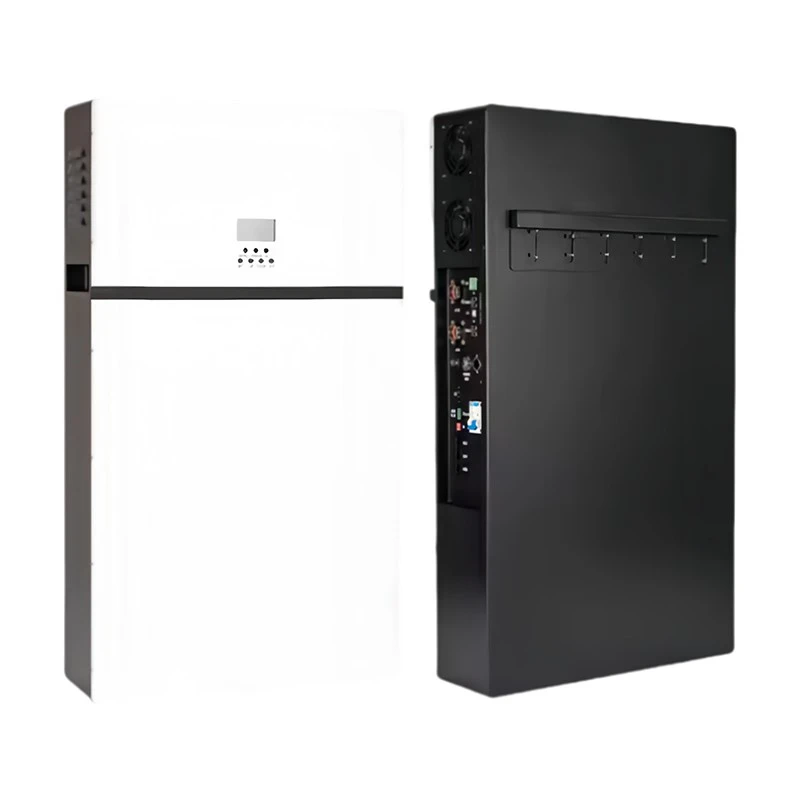

Another aspect is scalability. Some residential ESS can be scaled up by connecting multiple units together. This means that if an industrial area doesn't have extremely high energy demands all at once, but rather a series of smaller, intermittent energy needs, a set of connected residential ESS can potentially meet those requirements. Our LiFePO4 Battery 51.2V/100Ah 200Ah Household Energy Storage can be configured in a way that allows for this kind of scalability.
However, there are also some challenges. Industrial areas often require high - power output in a short period. Residential ESS are typically designed for a more steady, lower - power consumption pattern. For example, if there's a sudden surge in energy demand due to starting up large machinery in an industrial setting, a residential ESS might not be able to provide the necessary power quickly enough.
The durability and reliability requirements in industrial areas are also much higher. Industrial environments can be harsh, with factors like high temperatures, dust, and vibrations. Residential ESS are usually designed for a more stable, indoor home environment. So, if they are to be used in an industrial area, proper protection and maintenance measures need to be in place.
In terms of safety, industrial areas have stricter safety regulations. A residential ESS might need to be modified or upgraded to meet these industrial - level safety standards. This could add to the overall cost and complexity of using a residential ESS in an industrial area.
Despite these challenges, there are still some scenarios where a residential ESS can be a viable option in industrial areas. For example, in some small - scale industrial operations, such as a local handicraft workshop or a small - batch food processing plant, the energy demands are not as extreme as in large - scale manufacturing. In these cases, a residential ESS can provide a reliable and cost - effective energy storage solution.
Also, for industrial areas that are looking to transition towards more sustainable energy use gradually, starting with a residential ESS can be a good first step. It allows them to test the waters of energy storage without making a huge investment in industrial - grade systems right away.
If you're in an industrial area and thinking about using a residential ESS, it's important to do a thorough assessment of your energy needs. Consider factors like your peak power demands, the nature of your operations, and the environmental conditions. You can also consult with us, as we have a team of experts who can help you determine if a residential ESS is suitable for your specific situation.
We're always here to answer your questions and provide you with the best solutions. Whether you're interested in our Energy Storage System 25.6v Lithium Battery System Wall-mounted Solar Power System Hybrid Grid Connection System, Household LiFePO4 51.2V 200Ah Energy Storage Battery, or LiFePO4 Battery 51.2V/100Ah 200Ah Household Energy Storage, we can work with you to find the most appropriate setup. If you're interested in learning more or starting a procurement discussion, don't hesitate to reach out.
References:
- General knowledge about energy storage systems in residential and industrial sectors.
- Product specifications of the mentioned energy storage systems.