

In recent years, wireless charging technology has witnessed remarkable advancements, revolutionizing the way we power our electronic devices. From smartphones to electric vehicles, the convenience of wireless charging has made it a highly sought - after feature. As a current sensor supplier, I often get asked whether current sensors can be used in wireless charging systems. In this blog, I will delve into this topic, exploring the feasibility, benefits, and applications of using current sensors in wireless charging setups.
Understanding Wireless Charging Systems
Wireless charging operates on the principle of electromagnetic induction. A charging pad, which contains a transmitter coil, generates an alternating magnetic field when an electric current passes through it. The device to be charged has a receiver coil. When the receiver coil is placed within the magnetic field of the transmitter coil, an electric current is induced in the receiver coil, which is then used to charge the battery of the device.
There are different types of wireless charging standards, such as Qi, which is widely used for smartphones and other small - scale devices, and more advanced systems for electric vehicles. Each system has its own requirements in terms of power transfer efficiency, safety, and control.
The Role of Current Sensors in General
Current sensors are devices that measure the electrical current flowing through a conductor. They play a crucial role in a wide range of electrical and electronic systems. In power management, current sensors are used to monitor the power consumption of a device, ensuring that it operates within safe limits. They can also be used for fault detection. For example, if an abnormal current flow is detected, it could indicate a short - circuit or other electrical problems.
In motor control applications, current sensors help in regulating the speed and torque of the motor by providing feedback on the current drawn. This allows for more precise control and better energy efficiency.
Feasibility of Using Current Sensors in Wireless Charging Systems
- Power Transfer Monitoring
- One of the key aspects of wireless charging is ensuring efficient power transfer. Current sensors can be used to monitor the current flowing in both the transmitter and receiver coils. By measuring the current, we can calculate the power being transferred. This is important because inefficient power transfer can lead to energy wastage and increased heat generation. For example, if the current in the transmitter coil is too high while the power received at the receiver is low, it could indicate a misalignment between the coils or other issues.
- In high - power wireless charging systems, such as those used for electric vehicles, accurate power transfer monitoring is crucial. A current sensor can provide real - time data on the charging current, allowing the system to adjust the power output of the transmitter to match the requirements of the vehicle's battery.
- Safety
- Safety is a major concern in wireless charging systems. Over - current situations can pose a risk of overheating, which can damage the charging components or even cause a fire. Current sensors can act as a safety mechanism by detecting over - current conditions. If the current exceeds a predefined threshold, the charging system can be shut down automatically.
- Additionally, in multi - device wireless charging pads, current sensors can ensure that each device is receiving the appropriate amount of current. This prevents over - charging of individual devices, which can reduce the lifespan of the batteries.
- Alignment and Positioning
- Proper alignment between the transmitter and receiver coils is essential for efficient wireless charging. Current sensors can be used to detect the relative position of the coils. By analyzing the current patterns in the coils, the system can determine if the device is properly placed on the charging pad. If misalignment is detected, the system can provide feedback to the user, for example, through a visual or audible signal, or even attempt to adjust the position of the coils in some advanced systems.
Benefits of Using Current Sensors in Wireless Charging
- Improved Efficiency
- As mentioned earlier, by monitoring the current and adjusting the power output accordingly, current sensors can significantly improve the efficiency of wireless charging systems. This means that less energy is wasted as heat, and the charging process is faster. For consumers, this translates to reduced charging times and lower electricity bills.
- Enhanced Safety
- The ability to detect over - current and over - charging situations adds an extra layer of safety to wireless charging systems. This is especially important for high - power applications like electric vehicle charging, where the consequences of a safety failure can be severe.
- Better User Experience
- With the help of current sensors, wireless charging pads can provide more accurate feedback to users. For example, they can indicate the charging status more precisely, and also help in ensuring that the device is placed correctly on the charging pad. This leads to a more seamless and user - friendly charging experience.
Applications of Current Sensors in Different Wireless Charging Scenarios
- Smartphone and Wearable Charging
- In the case of smartphones and wearables, current sensors can be integrated into the charging pad and the device itself. On the charging pad, the sensor can monitor the overall power output and ensure that it is within the safe limits for multiple devices. In the device, the sensor can monitor the charging current to prevent over - charging and optimize the battery charging process.
- Electric Vehicle Charging
- Electric vehicle wireless charging is a rapidly growing area. Current sensors are essential in these systems for power transfer monitoring, safety, and alignment detection. For example, in a parking - based wireless charging system for electric cars, the current sensor in the ground - based transmitter can communicate with the vehicle's receiver to ensure that the charging process is efficient and safe.
- Industrial and Medical Devices
- Many industrial and medical devices are now starting to adopt wireless charging technology. In these applications, current sensors can help in ensuring reliable and safe charging. For example, in a medical implant that is wirelessly charged, the current sensor can ensure that the charging process does not cause any harm to the patient by monitoring the current levels.
Our Current Sensor Offering: LEM CAB500C 12V CAB500 Current Sensor
As a current sensor supplier, we offer a wide range of high - quality current sensors suitable for wireless charging systems. One of our popular products is the LEM CAB500C 12V CAB500 Current Sensor. This sensor is known for its high accuracy and reliability. It can measure currents up to a certain range with great precision, making it ideal for monitoring the current in wireless charging coils.

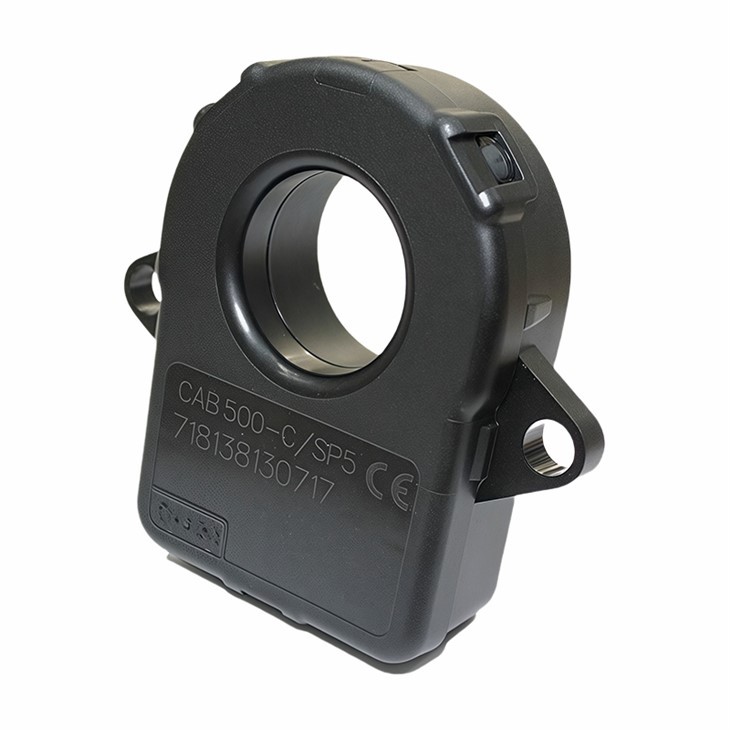
The LEM CAB500C 12V CAB500 Current Sensor is also designed to be compact, which is important for applications where space is limited, such as in small - scale wireless charging pads for smartphones. It has a fast response time, allowing for real - time monitoring of the current, which is crucial for ensuring efficient and safe power transfer in wireless charging systems.
Contact for Procurement and Consultation
If you are interested in integrating current sensors into your wireless charging systems, we are here to help. Whether you are a manufacturer of consumer electronics, electric vehicles, or industrial devices, our team of experts can provide you with the right solutions. We can offer technical support, product customization, and competitive pricing.
Feel free to reach out to us to discuss your specific requirements and start a procurement negotiation. We look forward to working with you to enhance the performance and safety of your wireless charging systems.
References
- "Wireless Power Transfer Technology: Principles, Standards, and Applications" - IEEE Transactions on Industrial Electronics
- "Current Sensors in Power Electronics" - Springer Handbook of Electrical and Computer Engineering
- Product datasheet of LEM CAB500C 12V CAB500 Current Sensor