

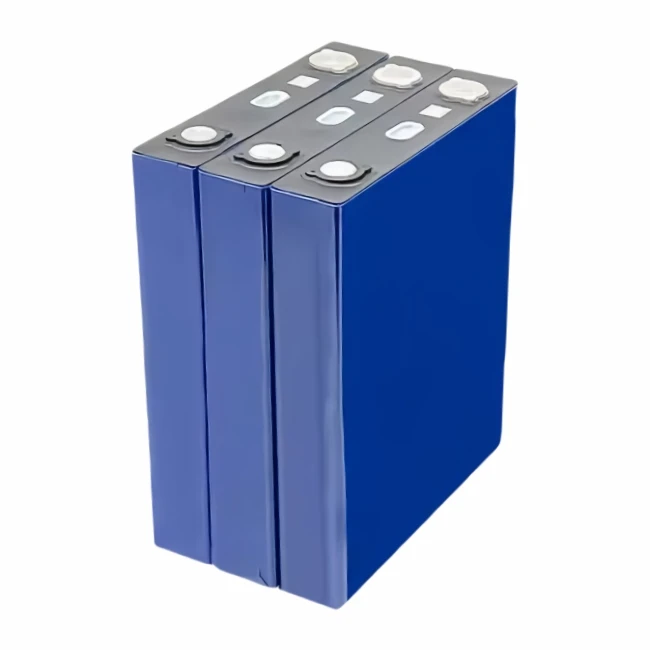
Hey there! As a supplier of the 3.67V 78Ah NCM Lithium Ion Battery, I often get asked if this battery can be used in electric vehicles. Well, let's dive into this topic and find out.
First off, let's understand what an NCM lithium-ion battery is. NCM stands for Nickel - Cobalt - Manganese. These batteries are known for their high energy density, long cycle life, and relatively good safety performance compared to some other lithium-ion chemistries. The 3.67V is the nominal voltage of the battery, and 78Ah represents its ampere - hour capacity.
Compatibility with Electric Vehicles
Voltage Requirements
Electric vehicles (EVs) typically have a wide range of voltage requirements depending on their design and power needs. Most EVs use battery packs that are made up of multiple individual battery cells connected in series and parallel. The voltage of a single cell is important because it contributes to the overall voltage of the battery pack.
A 3.67V cell can be part of a larger battery pack. By connecting multiple cells in series, you can increase the overall voltage of the pack. For example, if an EV requires a 400V battery pack, you would need to connect around 109 (400 / 3.67 ≈ 109) of these 3.67V cells in series. However, it's not just about getting the right voltage. The EV's battery management system (BMS) needs to be compatible with the cell voltage and be able to monitor and control the charging and discharging of the cells properly.
Capacity and Range
The 78Ah capacity of the battery is also a crucial factor. Capacity determines how much energy the battery can store. In an EV, a higher capacity battery generally means a longer driving range. But again, it depends on how the battery is integrated into the vehicle. If the vehicle has a high - power motor and other energy - consuming components, a single 78Ah cell might not be enough. Usually, multiple cells are connected in parallel to increase the overall capacity of the battery pack.
Advantages of Using a 3.67V 78Ah NCM Lithium Ion Battery in EVs
Energy Density
NCM batteries have a relatively high energy density. This means that they can store a large amount of energy in a relatively small and lightweight package. For an EV, this is a huge advantage as it helps to reduce the overall weight of the vehicle, which in turn improves energy efficiency and driving range.
Cycle Life
These batteries typically have a good cycle life. A cycle is defined as one complete charge and discharge of the battery. A longer cycle life means that the battery can be used for a longer time before it starts to degrade significantly. This is important for EV owners as they want their vehicle's battery to last for many years without having to replace it too often.
Safety
NCM batteries have made significant improvements in terms of safety. They are designed with various safety features such as over - charge protection, over - discharge protection, and short - circuit protection. These features are essential for the safe operation of an EV, as any battery malfunction can be extremely dangerous.
Challenges and Considerations
Cost
NCM batteries can be relatively expensive to produce. The cost of raw materials such as nickel, cobalt, and manganese can fluctuate, which affects the overall cost of the battery. For EV manufacturers, cost is a major consideration as they need to keep the price of the vehicle competitive. However, as technology advances and production volumes increase, the cost of NCM batteries is expected to come down.
Thermal Management
Like all lithium - ion batteries, NCM batteries generate heat during charging and discharging. In an EV, proper thermal management is crucial to ensure the battery operates within a safe temperature range. If the battery gets too hot, it can degrade faster and even pose a safety risk. EV manufacturers need to design effective cooling systems to manage the temperature of the battery pack.
Comparison with Other NCM Battery Cells
Let's compare the 3.67V 78Ah NCM Lithium Ion Battery with some other similar products. For example, the Prismatic 3.65V 55Ah NCM Lithium Ion Battery Cell has a slightly lower voltage and capacity compared to our 3.67V 78Ah battery. This means that if you need a higher - capacity and slightly higher - voltage solution, the 3.67V 78Ah battery would be a better choice.
On the other hand, the Prismatic 3.73V 58Ah NCM Lithium Ion Battery Cell has a higher voltage but a lower capacity. Depending on the specific requirements of the EV, either battery could be more suitable.
Conclusion
So, can a 3.67V 78Ah NCM Lithium Ion Battery be used in electric vehicles? The answer is yes, it can. However, it depends on how it is integrated into the vehicle's battery pack and whether the vehicle's BMS and other systems are compatible. This battery has many advantages such as high energy density, good cycle life, and safety features. But there are also challenges such as cost and thermal management that need to be addressed.

If you're an EV manufacturer or someone interested in using our 3.67V 78Ah NCM Lithium Ion Battery in your project, I'd love to have a chat with you. We can discuss how this battery can meet your specific needs and work together to find the best solution. Don't hesitate to reach out and start a conversation about potential procurement.
References
- "Lithium - Ion Batteries: Science and Technologies" by Y. - K. Sun, S. - T. Myung, and B. Scrosati.
- "Electric Vehicle Battery Systems" by various industry experts and research papers on EV battery technology.